BRICS Leaders Push Digital Health & AI-Enabled Care in New Delhi Declaration
The declaration also supported the development of the BRICS Integrated Early Warning System to improve the prevention and response to mass infectious diseases.
BRICS leaders have called for stronger health cooperation and greater use of digital health technologies and artificial intelligence through the New Delhi Declaration to improve healthcare delivery and preparedness for future health emergencies.
It has called for member countries to share experiences, innovations, and best practices while strengthening multilateral cooperation in health and recognising the coordinating role of the World Health Organisation.
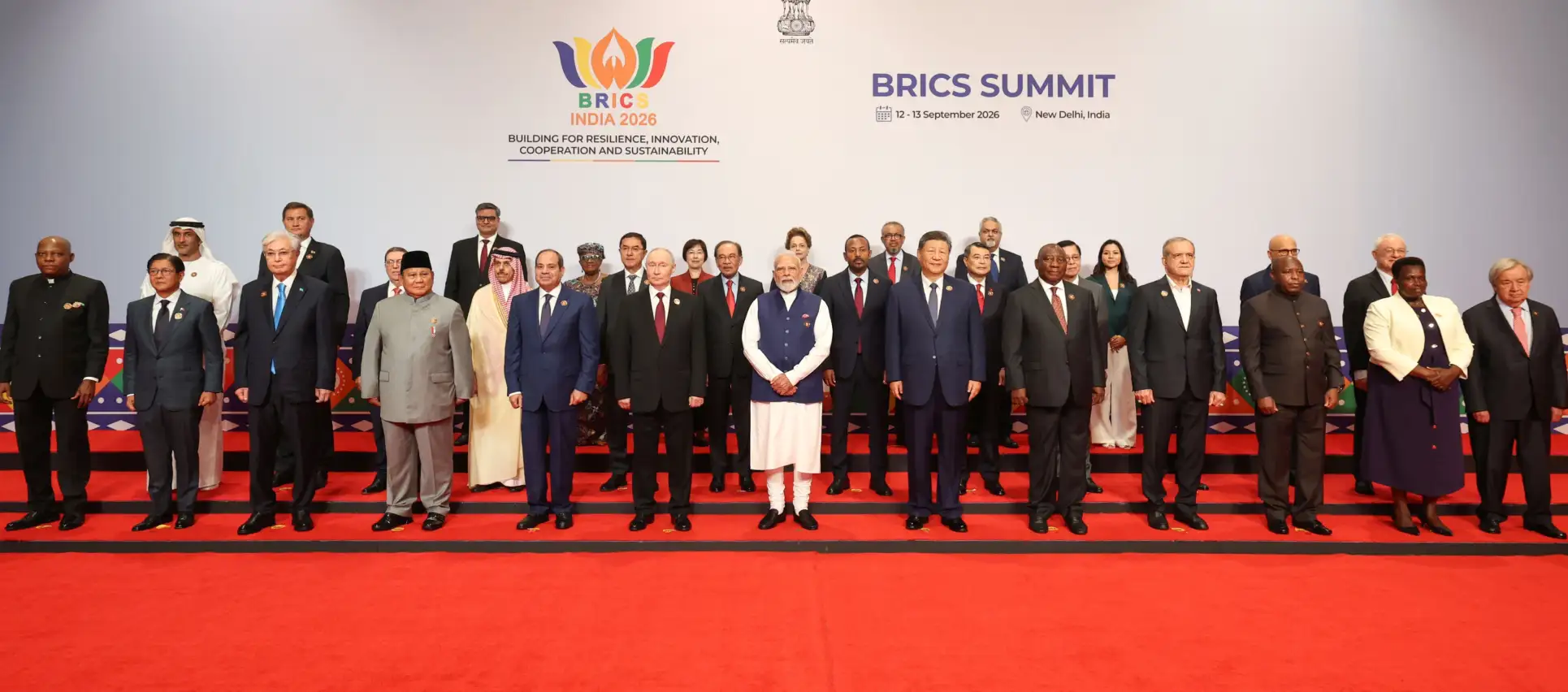
The New Delhi Declaration, a consensus document adopted unanimously by all 11 member countries of the BRICS bloc at the 18th BRICS Summit held in New Delhi, India, on September 12, 2026, has also endorsed collaborative initiatives on tuberculosis, healthy lifestyles, mental health, and traditional medicine.
The declaration has reaffirmed the commitment of BRICS leaders to advancing universal health coverage through “resilient, inclusive and people-centred approaches”.
“We recognise the significance of continued cooperation among the BRICS members and the necessity of sharing valuable experiences, innovations and best practices for improving health outcomes across the BRICS countries,” the declaration stated.
A key focus of the declaration is the development of people-centred digital healthcare systems.
BRICS leaders welcomed a compendium on digital health architecture designed to support continuity of care, including improved healthcare access for people living in remote areas.
The declaration also highlighted the role of AI-enabled care, digital health technologies, surveillance systems and laboratory networks in strengthening preparedness and response to future public health emergencies.
The leaders stressed the need to strengthen health infrastructure and local production of medical products while leveraging artificial intelligence and digital technologies.
Tuberculosis was identified as a “critical global public health challenge”, with BRICS leaders calling for coordinated action, sustained research investment, technology sharing and stronger collaboration among countries and institutions.
The declaration also supported the development of the BRICS Integrated Early Warning System to improve the prevention and response to mass infectious diseases.
Beyond digital health and AI-enabled care, BRICS leaders endorsed the BRICS Mission for Healthy Lifestyle and the BRICS Roadmap for the Joint Initiative on Healthy Lifestyle Promotion for 2026-2029.
They also supported new mental health collaboration mechanisms, including a BRICS Training Hub Network and a Network of Centres of Excellence coordinated by NIMHANS.
The declaration further called for stronger regulatory cooperation, health workforce development, collaborative research, and improved access to healthcare services, vaccines, therapeutics, and diagnostics.
Stay tuned for more such updates on Digital Health News
Follow us