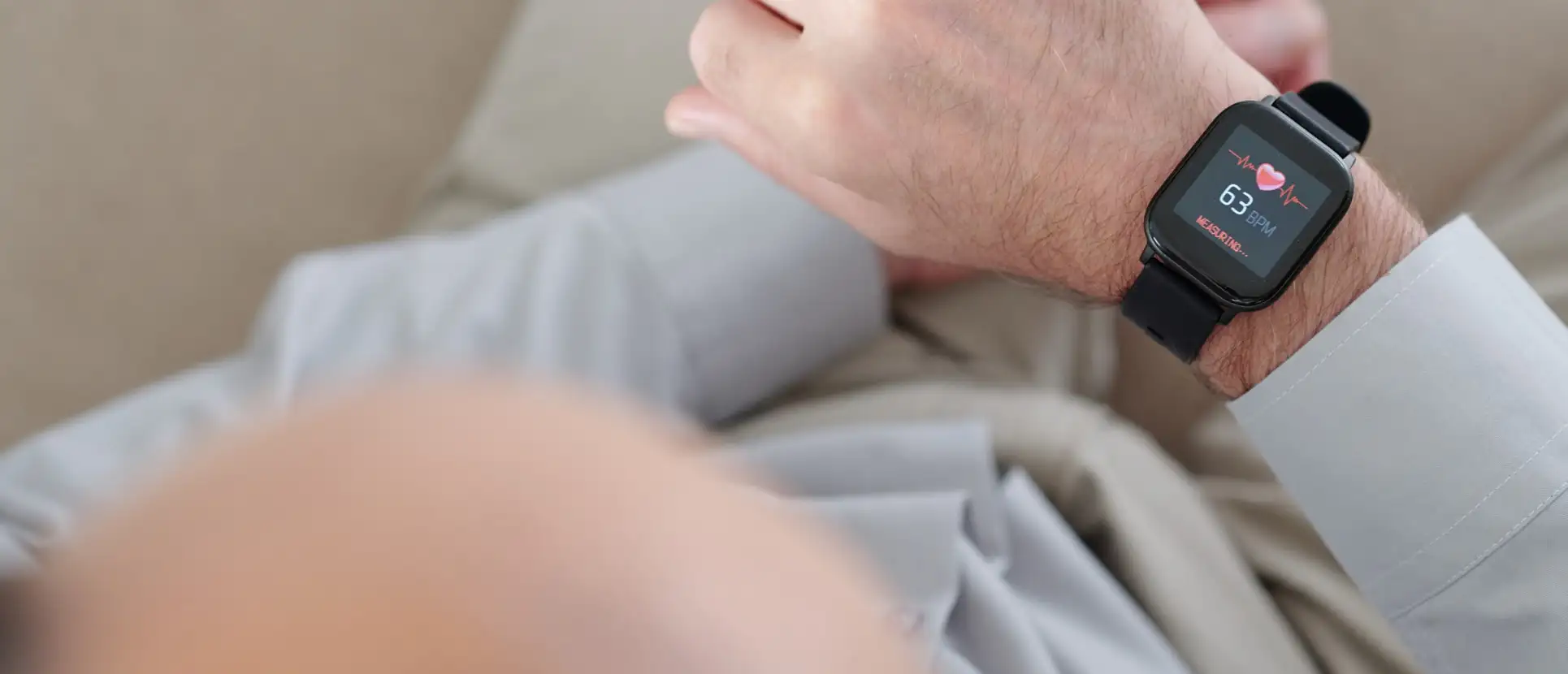
Apple Watch May Soon Track Blood Sugar with New Breath-Based Sensor
A new device based on this principle, called Isaac, is currently undergoing clinical trials in the United States.
Blood sugar monitoring remains one of the most ambitious health features associated with the Apple Watch, a goal Apple has pursued for over a decade without commercial success.
Now, a new medical device entering human trials suggests the underlying technology required for non-invasive glucose tracking may be advancing.
Reports dating back to 2023 indicated that Apple had initially aimed to make non-invasive blood sugar tracking a headline feature of the first Apple Watch. More than ten years later, the feature has yet to materialise, despite repeated speculation that it was close to launch.
According to the International Diabetes Federation, more than 10 percent of the global adult population is living with diabetes, with nearly half unaware of their condition. Diabetes contributes to millions of deaths each year, and early detection is known to reduce long-term complications.
However, existing monitoring methods rely on invasive techniques, limiting adoption among people who do not perceive themselves to be at risk.
This has made non-invasive glucose monitoring a key objective in health technology. Removing the need for needles could enable routine monitoring and earlier diagnosis on a much wider scale. For a wearable device worn daily by millions, such a capability would carry major implications.
One emerging approach focuses on breath analysis rather than blood. People with diabetes often show elevated levels of acetone in their breath, a by-product linked to rising blood glucose levels.
A new device based on this principle, called Isaac, is currently undergoing clinical trials in the United States.
The device is worn as a small pendant around the neck and analyses volatile organic compounds in exhaled breath to detect biomarkers associated with changes in glucose levels. While Isaac is a standalone medical device, its progress indicates that the core technology required for non-invasive glucose tracking may be becoming viable.
If such technology achieves regulatory approval and can be sufficiently miniaturized, it could eventually support similar functionality in consumer wearables such as the Apple Watch.
Stay tuned for more such updates on Digital Health News
Follow us