Apollo Hospitals Brings AI-Powered Continuous Patient Monitoring to Every Inpatient Bed in Madurai
The wearable device, roughly the size of a button, attached to the patient’s chest, enables continuous monitoring of vital parameters and predicts clinical deterioration up to six hours in advance.
Apollo Speciality Hospitals in Madurai has become the first hospital in Tamil Nadu to implement AI-powered continuous patient monitoring across all its inpatient beds, marking a significant expansion of artificial intelligence in hospital care.
The system has been designed to identify early signs of patient deterioration, allowing clinicians to intervene sooner and improve patient safety.
Developed by Lifesigns, the technology continuously captures vital parameters across around 150 inpatient beds, including ECG, heart rate (HR), respiratory rate (RR), oxygen saturation (SpO2), temperature, blood pressure (BP) and posture through a compact wearable device attached to the patient's chest.
According to Dr Nikhil Tiwari, Chief Operating Officer, ROTN, Apollo Hospitals, the AI platform also predicts clinical deterioration up to six hours in advance while automatically calculating the National Early Warning Score (NEWS2) for every patient.
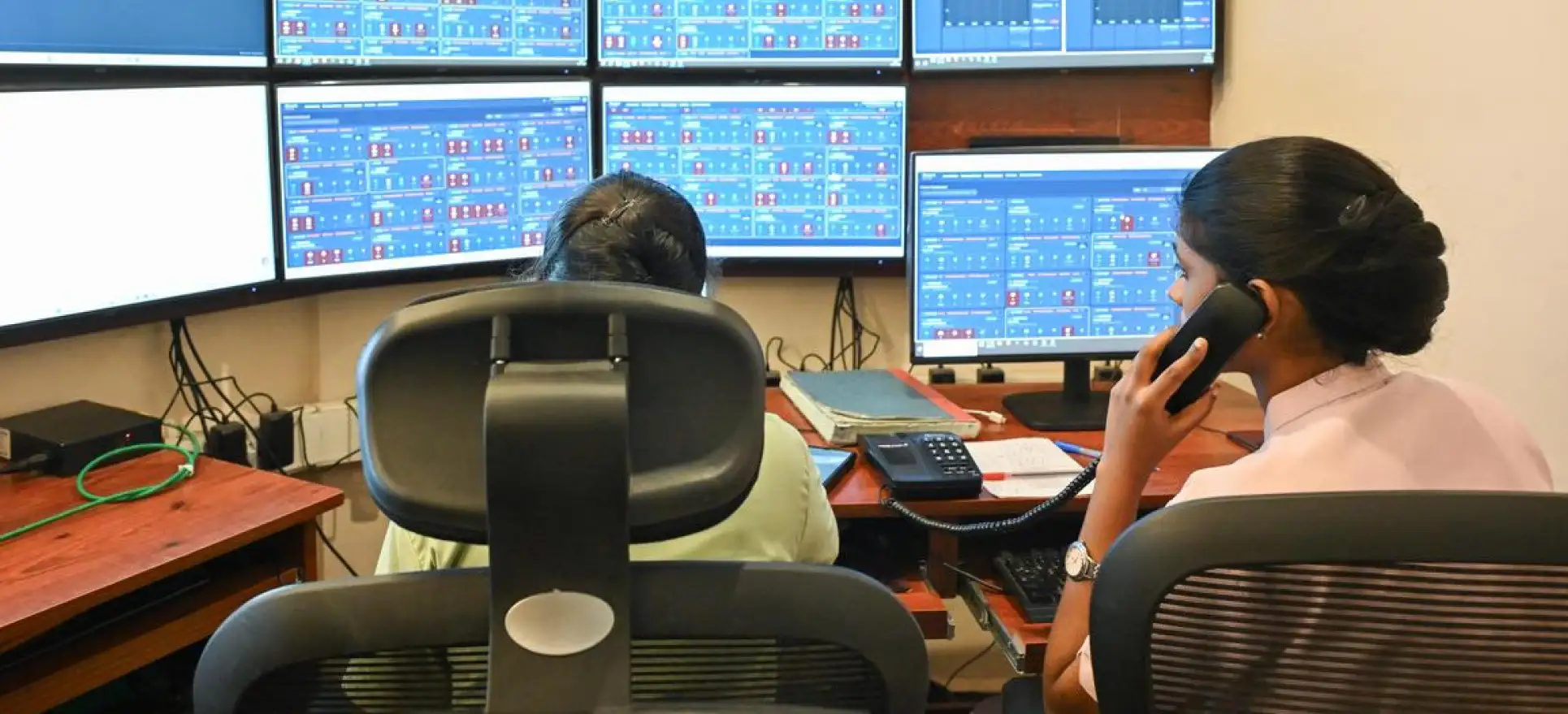
The hospital has also connected Apollo Karaikudi to the same monitoring network, allowing patients there to be supervised remotely through the central command centre in Madurai.
The integrated setup enables clinicians to monitor patient status across multiple facilities while supporting faster clinical decision-making.
According to Dr V. Jude Vinoth, Senior Consultant and In-charge of the Department of Emergency Medicine, the monitoring platform has contributed to a reduction in mortality of more than 80%.
“Every patient in the in-patient ward is categorised into one of four zones: stabilization (green), enhanced care (orange), critical stabilization (red), or resuscitation (blue),” Dr Vinoth explained.
The wearable device, roughly the size of a button, replaces conventional bedside monitoring equipment that often requires multiple wires and bulky attachments, making it more comfortable for patients during their hospital stay.
The monitoring data is also available through a dedicated mobile application, allowing doctors to review patient vitals remotely whenever required.
Dr Tiwari said the AI technology will soon be extended beyond the hospital by enabling remote monitoring of patients immediately after discharge.
At an estimated cost of around INR 400 per day, the service is expected to make AI-enabled remote patient monitoring more accessible while supporting continuity of care outside the hospital setting.
Stay tuned for more such updates on Digital Health News
Follow us