Tech Innovations in Chronic Care: Transforming Long-Term Healthcare Management
The management of chronic diseases is one of the most important issues facing healthcare today. Non-communicable diseases (NCDs), sometimes referred to as chronic diseases, are on the rise globally and currently cause almost 73% of all fatalities. NCDs have a substantial influence on population health and the healthcare system in India, where they account for over 53% of all deaths and 44% of all disability-adjusted life years (DALYs) lost.Conventional chronic care models often fall short in meeting the continuous and complex care needs of patients with chronic diseases.
In response, rapid advances in digital health technologies are redefining chronic care delivery by enabling continuous monitoring, personalized interventions, and proactive disease management. In this article we shall delve into key chronic care management technologies that are reshaping healthcare.
Core Technology Innovations in Chronic Care
Modern chronic care management is driven by a range of digital and technological innovation which include
1. Remote Patient Monitoring (RPM)
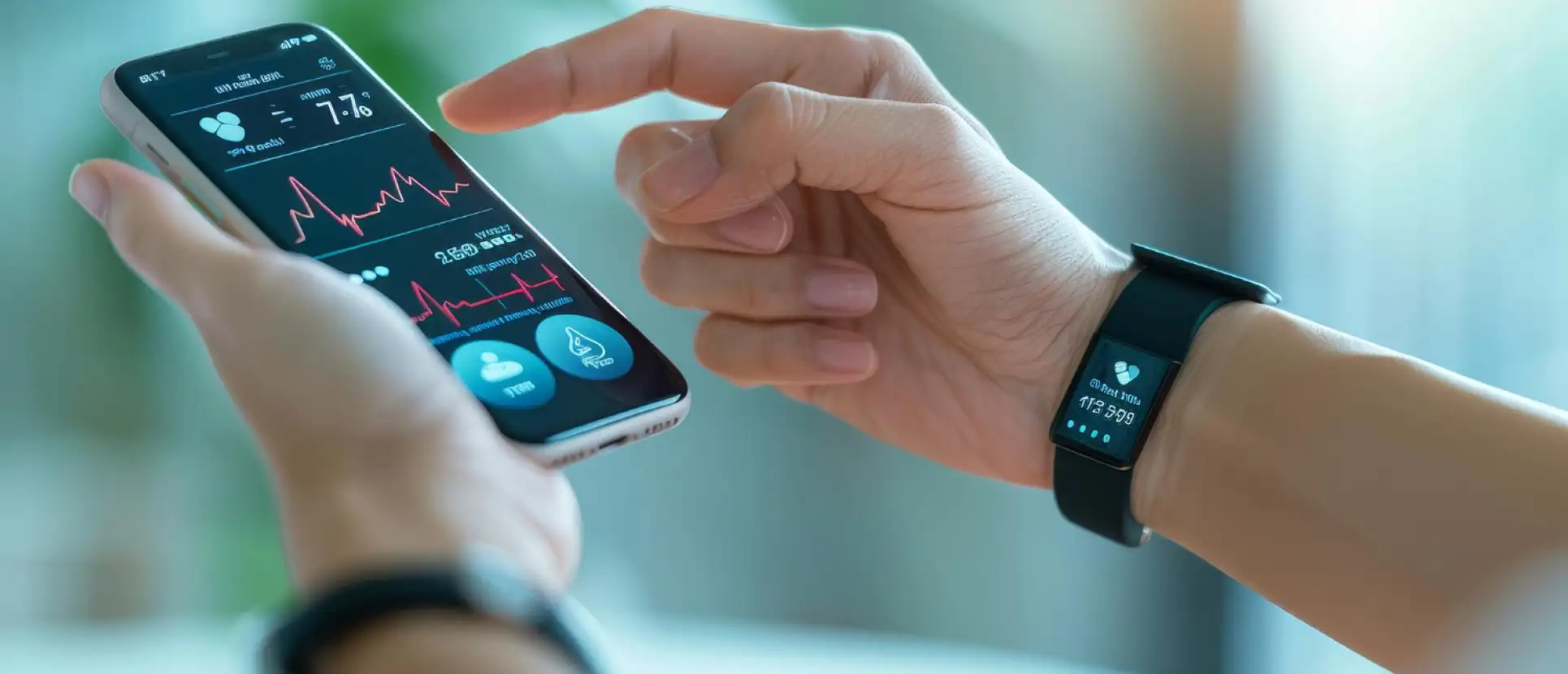
Remote patient monitoring tools such as wearables and connected medical equipment make it possible to continuously monitor vital signs like blood pressure, blood glucose, heart rate, and oxygen saturation, which enables early diagnosis of health decline.
2. Telemedicine and Virtual treatment
Digital consultation and telemedicine platforms provide routine follow-ups, enhance rural populations' access to treatment, and guarantee continuity of care without frequent hospital visits.
3. Artificial Intelligence and Data Analytics
To forecast the course of a disease, identify high-risk patients, and assist in clinical decision-making, AI-powered technologies examine vast amounts of patient data. Further, AI-enabled screening tools are also facilitating faster diagnosis and disease detection.
4. Digital Therapeutics (DTx)
In the treatment of chronic diseases, evidence-based software programs help with lifestyle management, medication adherence, behaviour modification, and self-care.
5. Interoperable Health Information Systems
Patient data is seamlessly shared between providers and care settings due to integrated electronic health records and data exchange systems.
6.Smart Devices and Assisted Care Kiosks
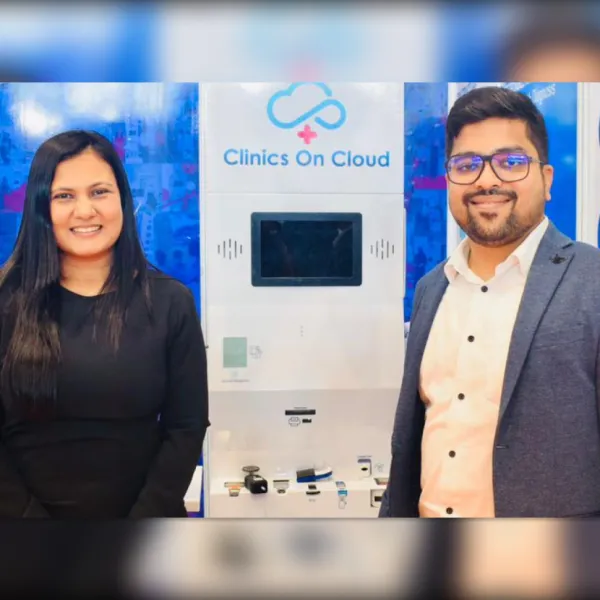
Smart physical health devices and assisted care kiosks are expanding access to chronic care, particularly in underserved and remote regions. Technologies such as Health ATMs enable self-service health assessments, including blood glucose, blood pressure, ECG, and BMI, while integrating telemedicine connectivity for remote clinical consultations.
Impact & Benefits
Chronic care models powered by technology have shown quantifiable advantages, such as:
- Enhanced disease surveillance and early identification of complications
- Improved self-management and patient involvement
- decreased emergency room visits and hospital admissions
- Improved lifestyle and medication adherence
- Reduced long-term medical expenses
Digital technology use in chronic care is providing major systemic, clinical, and economic benefits in India. For patients in rural and underserved areas in particular, technology-enabled solutions, including telemedicine, AI-driven analytics, smart medical devices, and remote patient monitoring, are boosting early diagnosis, ongoing illness monitoring, and prompt interventions. By enabling continuous care rather than episodic treatment, these technologies enhance clinical outcomes and patient quality of life.
Some pertinent government programs, such as eSanjeevani and ABDM, are assisting in improving chronic care management in rural areas.
In India, Health ATMs and assisted care kiosks are being deployed in semi-urban and underserved regions to bridge last-mile healthcare gaps
Further, indigenously developed smart diagnostic systems such as NephroPlus’ cloud-enabled dialysis management platforms are expanding access to renal care beyond major metropolitan cities in India.
These technological innovations in chronic care management have significantly reduced out-of-pocket expenditure and have ensured better continuity of care and access to healthcare even in the remotest areas.
Conclusion
Technological innovations are redefining chronic care by shifting the emphasis from episodic treatment to continuous, patient-centric management. Healthcare systems may provide more individualized, effective, and proactive care using telemedicine, AI-driven insights, remote monitoring, and interoperable digital platforms. as the burden of chronic diseases continues to climb, strategic integration of technology into chronic care pathways is necessary to build sustainable, resilient, and future-ready healthcare systems.
Stay tuned for more such updates on Digital Health News
Follow us