Co-create AI with Doctors, Validate Before Rollout: NITI Aayog’s Dr VK Paul to Health Innovators
He emphasised that AI must align with clinical workflows, be supported by strong data governance and remain transparent and explainable to maintain trust.
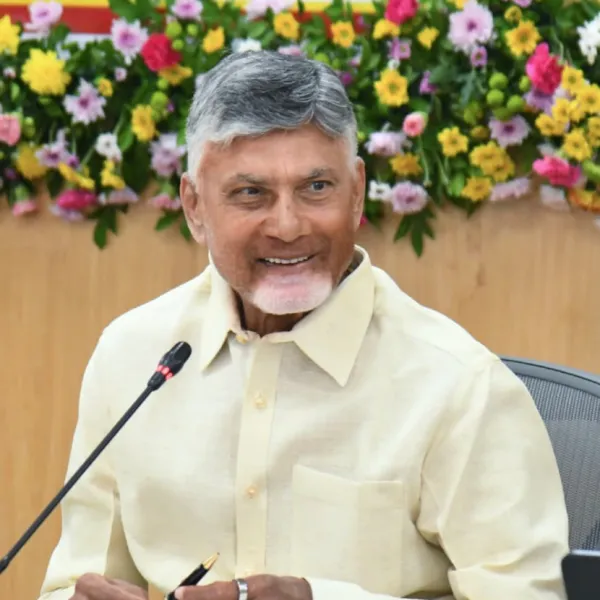
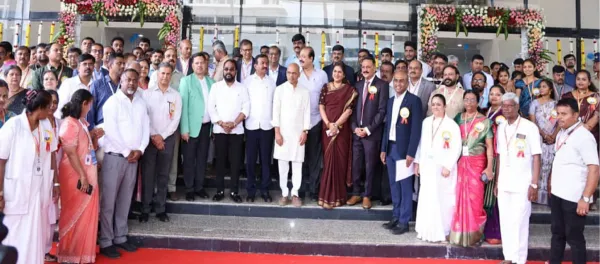
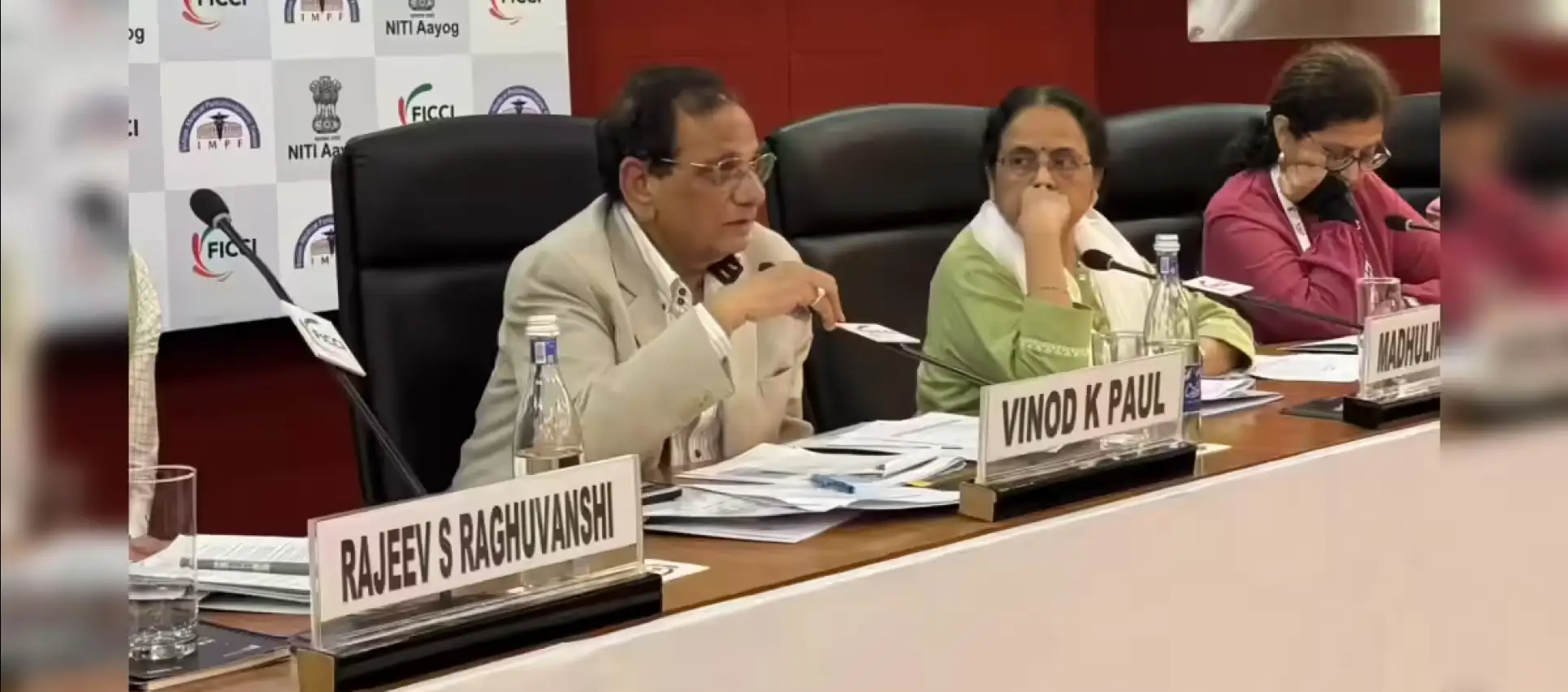
NITI Aayog Member (Health) Dr VK Paul has called on AI innovators to work closely with clinicians and public health experts, emphasising validation, regulatory compliance and ethical deployment as essential conditions for integrating AI into India’s healthcare system.
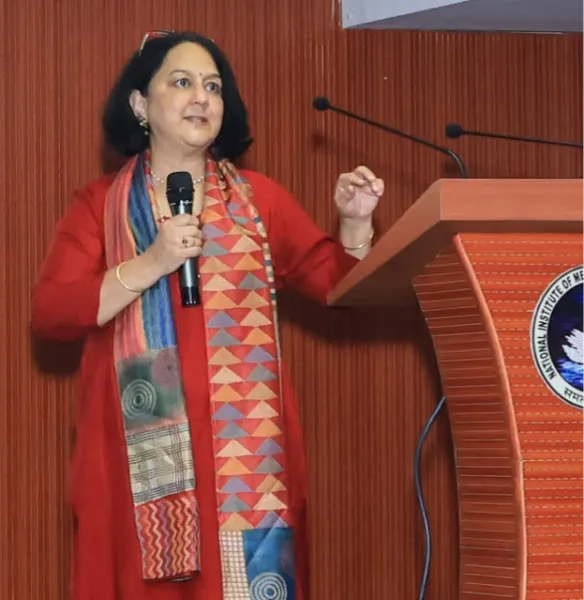
Addressing the session at the India AI Impact Summit 2026, Dr Paul underscored that healthcare innovation cannot function in isolation from regulatory oversight or clinical realities.
He encouraged developers to collaborate consistently with clinicians, biomedical scientists, microbiologists, clinical researchers, public health professionals, pathologists and radiologists to ensure that AI tools meet real-world needs.
According to him, the objective is to promote responsible adoption rather than unchecked innovation.
"My first request to those who wish to innovate, please co-create with a health technical partner, a pathologist, radiologist, and do the right thing," Dr VK Paul said. "Give me those tools that are validated, and we'll absorb them into the system. We'll take them through the health technology assessment, make it available as a public good," he added.
Framing AI as a strategic lever for healthcare reform, Dr Paul said, "Artificial Intelligence presents a strategic opportunity to transform India's healthcare landscape and accelerate progress towards universal health coverage."
He added that integrating AI with India’s expanding digital public health infrastructure can improve interoperability, enable real-time analytics and support better resource allocation, especially in a system managing both communicable and non-communicable diseases at scale.
Roy Jakobs, Chief Executive Officer of Royal Philips, noted that global health systems are under strain due to workforce shortages and rising demand, making AI integration increasingly necessary.
He emphasised that AI must align with clinical workflows, be supported by strong data governance and remain transparent and explainable to maintain trust. He also pointed to India’s digital health initiatives, including Ayushman Bharat, as foundational for interoperable data systems that can support AI-driven care.
Dr Harsh Mahajan, Radiologist and Founder and Managing Director of Mahajan Imaging, highlighted that AI is already embedded in technologies such as CT, MRI and ultrasound systems, enabling reduced radiation exposure, faster scans and automated lesion detection.
However, he cautioned against unsupervised self-diagnosis using platforms such as ChatGPT, stressing that AI in healthcare should be used ethically and under professional supervision.
Stay tuned for more such updates on Digital Health News
Follow us