AI-Powered ECG Flags Silent Heart Attacks; Now Under Trial in Tamil Nadu
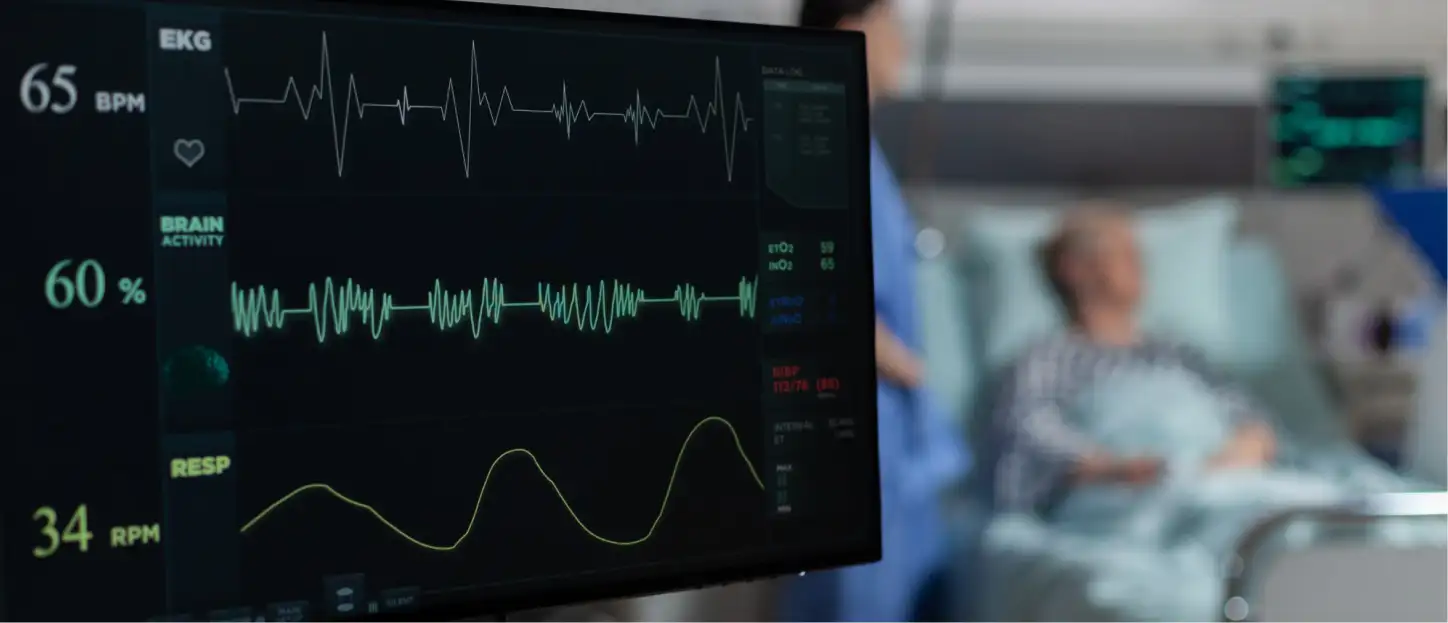
The AI-Powered ECG system has been designed to record the electrical activity of the heart and transmit it to a mobile application, to analyse subtle waveform patterns that may indicate a prior silent heart attack.
An AI-Powered ECG device developed by Dr Ziad Obermeyer and his team at the UC Berkeley School of Public Health is showing promise in detecting previously unnoticed heart attacks through a portable smartphone-linked screening tool now under trial in Tamil Nadu.
The technology has combined electrocardiogram signals with artificial intelligence to identify signs of past cardiac injury that patients may never have known occurred.
Silent heart attacks, medically termed unrecognised myocardial infarctions, often develop without the classic warning symptoms such as severe chest pain or sudden breathlessness. Some individuals experience mild discomfort, fatigue, or indigestion-like sensations that are easily dismissed.
Yet the damage to the heart muscle can be comparable to that of a typical heart attack. Without diagnosis and treatment, the risk of heart failure, stroke, or sudden cardiac death increases substantially.
The AI-Powered ECG system has been designed to make screening more accessible. Instead of relying solely on hospital-based ECG machines and cardiology interpretation, the portable pad records the electrical activity of the heart and transmits it to a mobile application.
Artificial intelligence algorithms then analyse subtle waveform patterns that may indicate a prior silent heart attack. Obermeyer notes that while a single AI-Powered ECG reading may not replace confirmatory diagnostic tests, it can help rule out disease in 90 to 95 per cent of affected individuals.
He is also working on algorithms that can tell you if somebody is having a heart attack at the moment. Or if they have a blood clot in the lungs, or an abnormality in the aorta called aortic dissection.
The technology is currently undergoing real-world evaluation in Tamil Nadu. The trial is examining diagnostic accuracy, feasibility in community-level screening, and scalability in resource-limited settings.
By combining AI-driven analysis with a simple mobile interface, the AI-Powered ECG approach aims to close diagnostic gaps.
Stay tuned for more such updates on Digital Health News
Follow us