Rajnath Singh Highlights India’s Push for Indigenous Solutions to Advance Global Health Innovation
Singh further said government initiatives such as the PLI scheme have accelerated domestic manufacturing of medical devices and healthcare technologies.
Defence Minister Rajnath Singh says India is strengthening its position in global health by advancing indigenous innovations in gene therapy, nuclear medicine, medical technology, and affordable healthcare, while expanding medical education and healthcare infrastructure.
India has increasingly positioned itself as a hub for indigenous healthcare innovation, with the government promoting research, local manufacturing, and affordable access to medical technologies.
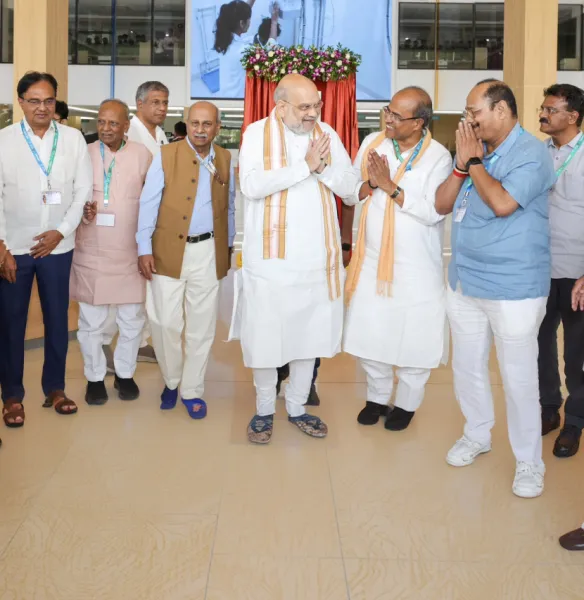
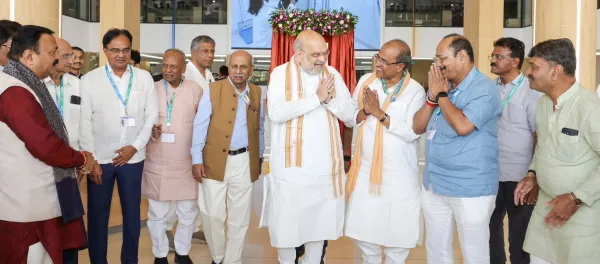
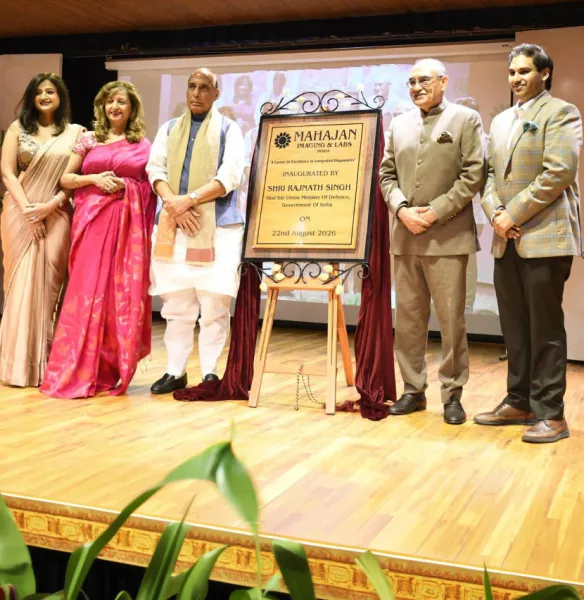
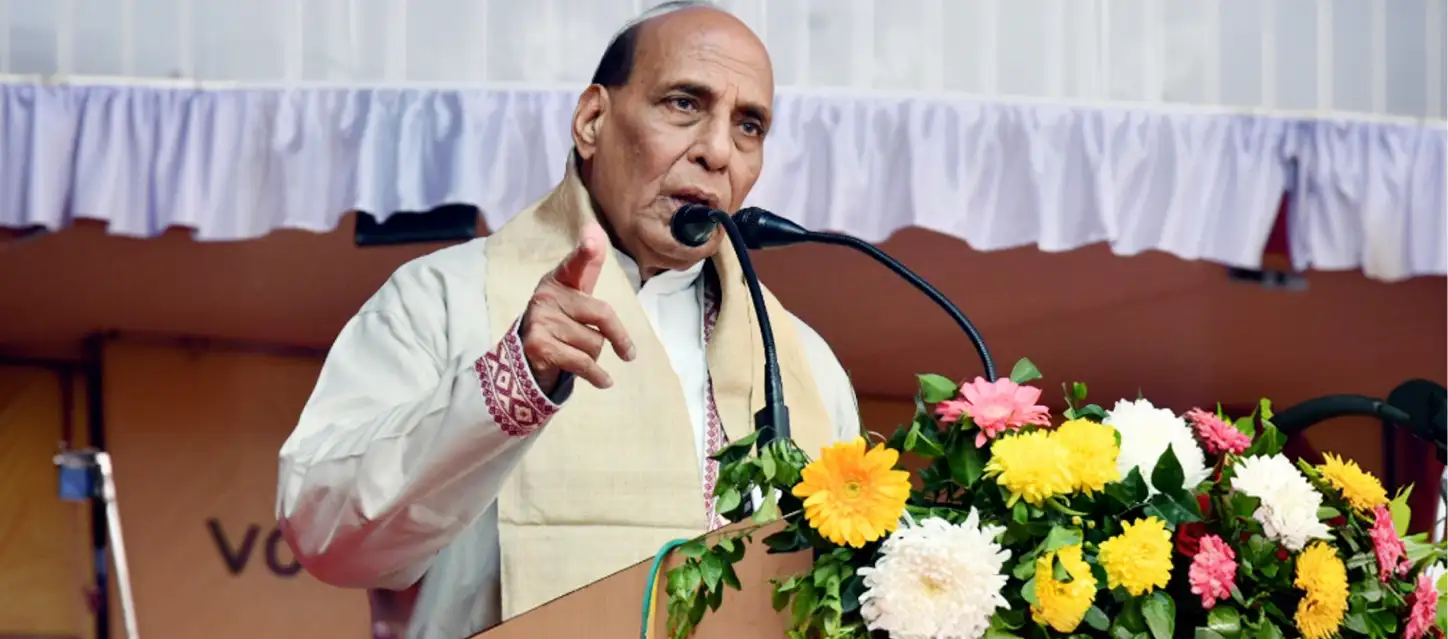
Addressing a recent convocation ceremony in Lucknow, Defence Minister Rajnath Singh said these efforts are helping the country contribute solutions to global health challenges while making its healthcare system more self-reliant.
He said the country's health system is becoming more accessible, affordable, modern, and people-centric while reducing dependence on imported technologies.
Highlighting recent scientific achievements, he said Indian researchers have successfully demonstrated an indigenous gene therapy for haemophilia.
He also noted that scientists at a Pune-based research institute have developed an advanced nanomedicine for breast cancer treatment, reflecting the country's growing capabilities in precision medicine and advanced therapeutics.
Singh further said government initiatives such as the Production Linked Incentive (PLI) scheme have accelerated domestic manufacturing of medical devices and healthcare technologies.
According to him, India developed Nafithromycin in 2024, describing it as the country's first indigenous macrolide antibiotic for the treatment of Community-Acquired Bacterial Pneumonia.
He also referred to the development of India's first indigenous MRI system in 2023.
"In 2024, we developed Nafithromycin, the first indigenous macrolide antibiotic. It will prove highly effective in the treatment of Community-Acquired Bacterial Pneumonia. Today, India is rapidly advancing towards self-reliance in the health sector. In 2023, we developed the first indigenous MRI machine, which is affordable, lightweight, ultrafast, and high-field," Singh said.
Referring to healthcare development in Uttar Pradesh, Singh said the number of operational medical colleges has increased from 17 before 2017 to 81, while two AIIMS are now functional in the state, enabling Uttar Pradesh to achieve the milestone of having at least one medical college in every district.
Addressing graduating medical professionals, Singh also urged doctors to prioritise their own well-being, noting that the profession involves significant stress that can affect both physical and mental health.
He said expanding medical education and ensuring an adequate supply of doctors and specialists remain central to strengthening India's healthcare system.
Stay tuned for more such updates on Digital Health News
Follow us