PLI Scheme Draws INR 41,943 Cr in Pharma Investments, Accelerates API Production & Exports
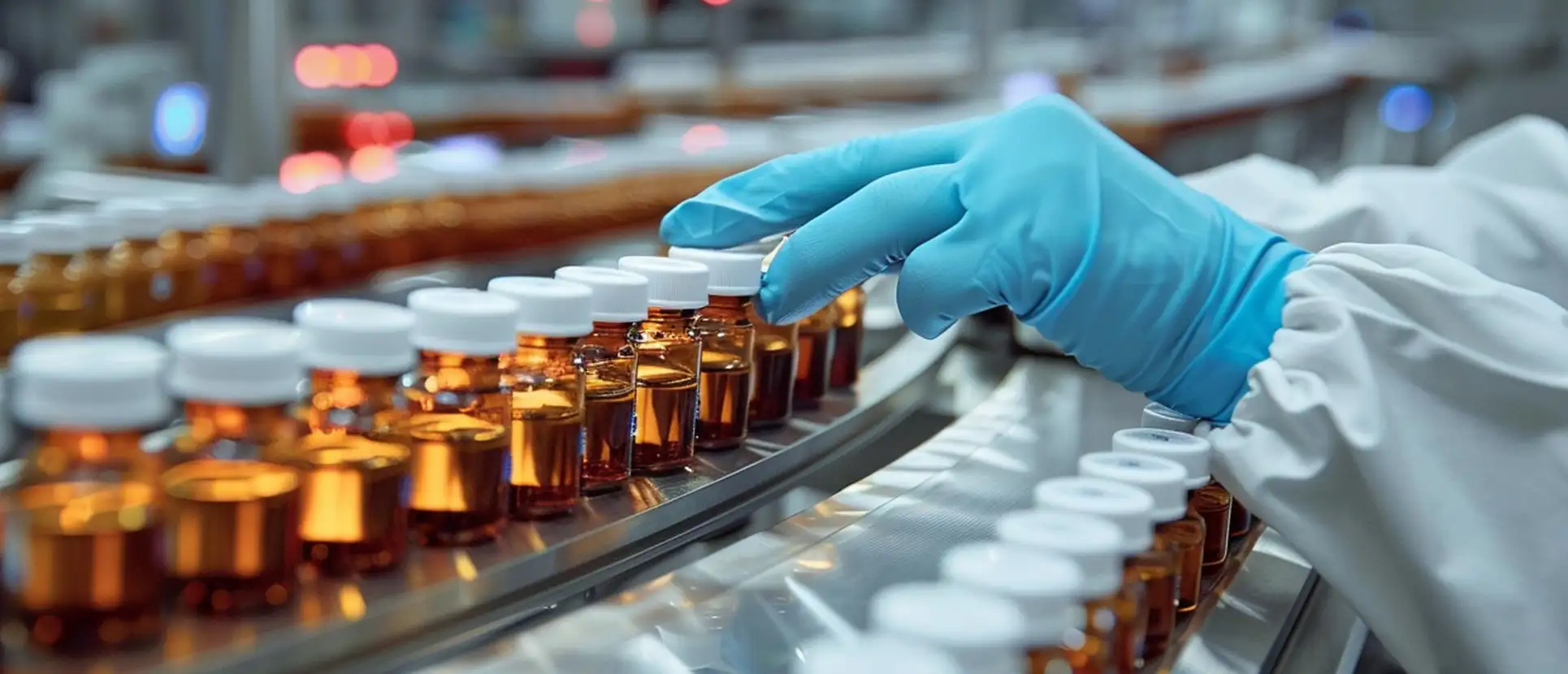
Out of 1,988 products manufactured under the scheme, 726 belong to APIs, KSMs, and intermediates, with 191 being produced domestically for the first time.
India’s PLI scheme has significantly expanded the country’s pharmaceutical manufacturing ecosystem, drawing INR 41,943 Cr in investments and driving production across nearly 2,000 products.
The initiative has strengthened domestic capabilities, increased exports, and supported the localisation of critical drug components.
“India's production-linked incentive (PLI) schemes for pharmaceuticals have driven cumulative investments of INR 41,943 Cr in both brownfield and greenfield projects,” Minister of State for Chemicals and Fertilisers Anupriya Patel noted.
Introduced to reduce import dependence and enhance global competitiveness, the PLI scheme for pharmaceuticals was approved in 2021, while the bulk drugs scheme was launched in 2020.
Both initiatives aim to incentivise the production of high-value medicines, complex generics, and essential raw materials such as Active Pharmaceutical Ingredients (APIs), Key Starting Materials (KSMs), and Drug Intermediates (DIs), areas where India has historically relied on imports, particularly from a limited number of global suppliers.
The schemes have collectively generated INR 3,35,036 Cr in cumulative sales, including exports worth INR 2,15,248 Cr, indicating stronger integration of India’s pharma sector with global supply chains.
Out of 1,988 products manufactured under the scheme, 726 belong to APIs, KSMs, and intermediates, with 191 being produced domestically for the first time. These segments alone have contributed INR 28,067 Cr in domestic sales, marking tangible progress in import substitution.
Parallelly, the bulk drugs PLI scheme has exceeded expectations, with INR 4,814 Cr invested in greenfield projects against a committed INR 4,329.95 Cr. It has enabled the creation of manufacturing capacity of 56,800 metric tonnes per annum across 28 critical products, while total committed capacity stands at 91,077 metric tonnes per annum for 33 products.
The initiative has also contributed to regional development, with six new manufacturing units commissioned in Andhra Pradesh’s Visakhapatnam district.
Government incentive disbursements have risen steadily, with payouts under the pharmaceutical PLI scheme increasing from INR 655.15 Cr in FY23 to INR 2,330 Cr in FY25.
Similarly, incentives under the bulk drugs scheme have grown from INR 5.95 Cr to INR 21.30 Cr during the same period, reflecting ongoing project execution and compliance.
Stay tuned for more such updates on Digital Health News
Follow us