Punjab Health Budget Rises to INR 6,879 Cr, Says Punjab Health & Family Welfare Minister Dr Balbir Singh

The budget also includes investments in tertiary care expansion, including upgrades at Government Medical Colleges in Patiala and Amritsar and the expansion of the Punjab Institute of Liver and Biliary Sciences in Mohali.
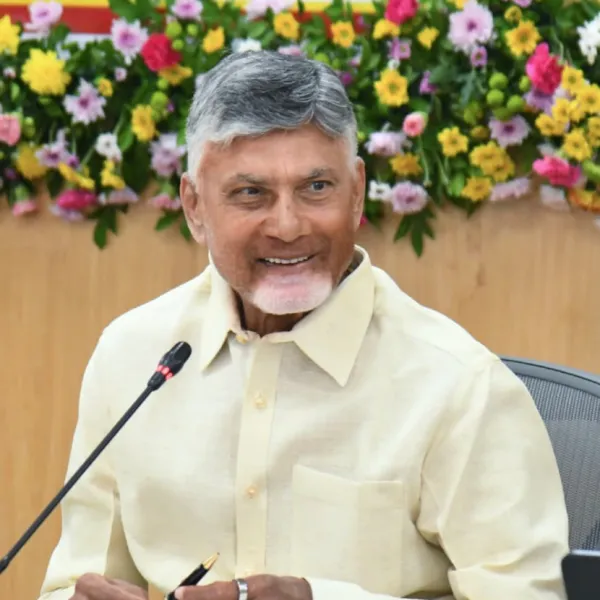
Punjab Health and Family Welfare Minister Dr Balbir Singh has welcomed the state government’s decision to raise the health budget to INR 6,879 Cr for FY 2026-27, describing it as a step toward strengthening accessible and affordable healthcare services across Punjab.
The announcement follows the presentation of the state budget by Finance Minister Harpal Singh Cheema, which proposed a 23 per cent increase in healthcare spending compared to the previous fiscal year.
The government has positioned the allocation as part of a broader effort to expand primary healthcare coverage, strengthen medical education, and extend financial protection for families through insurance schemes.
Punjab Health and Family Welfare Minister Dr Balbir Singh has described the budget as a “landmark document that prioritises the health and well-being of every Punjabi,” noting that the expanded health budget of INR 6,879 Cr will help improve service delivery across the state.
He said the allocation aims to ensure “accessible, affordable, and quality medical services” while supporting ongoing health reforms.
Insurance Coverage Under Mukh Mantri Sehat Yojana
A significant portion of the health budget will fund the Mukh Mantri Sehat Yojana, a universal health insurance scheme offering cashless treatment coverage of up to INR 10 lakh per family annually.
The programme is expected to benefit around 65 lakh families across Punjab, with an allocation of INR 2,000 Cr in the 2026-27 budget. Under the scheme, residents can access treatment at more than 900 government and empanelled private hospitals.
Expansion of Aam Aadmi Clinics
The state has also continued to prioritise its network of Aam Aadmi Clinics, which function as community-level primary care centres offering essential medicines and diagnostic services free of cost.
Currently, 881 such clinics are operational, providing 107 medicines and 47 diagnostic tests. Together, they have recorded nearly five crore outpatient visits, including about 1.55 crore unique patients.
To expand the programme, the government has proposed INR 351 Cr to establish 143 additional Aam Aadmi Clinics and convert 308 subsidiary health centres into the same model of care. Once completed, the network is expected to reach a total of 1,432 clinics over five years under the Bhagwant Mann-led administration.
Emergency and Specialised Care & Tertiary Care Expansion
The budget also outlines investments in specialised and emergency care. A modern trauma centre is planned at Sri Anandpur Sahib to strengthen emergency response infrastructure, while funding has been allocated for cancer and drug de-addiction treatment facilities.
The budget also includes investments in tertiary care expansion, including upgrades at Government Medical Colleges in Patiala and Amritsar and the expansion of the Punjab Institute of Liver and Biliary Sciences in Mohali, where a diagnostic block and a 175-bed hospital facility are under development.
Medical Education Development
Medical education and research have received INR 1,220 Cr in the new budget. The state government plans to establish seven new medical colleges in Hoshiarpur, Kapurthala, Sangrur, SBS Nagar, Lehragaga, Malerkotla, and Ludhiana.
These institutions are expected to add 600 MBBS seats and support Punjab’s ambition to develop a stronger healthcare workforce pipeline. Land spanning 38.5 acres has already been purchased in Malerkotla at a cost of INR 49 Cr for one of the proposed colleges.
Alongside healthcare spending, the Punjab government has also increased allocations for education, proposing INR 19,279 Cr for the sector and outlining reforms such as the Sikhya Kranti 2.0 initiative to modernise schools and higher education infrastructure over the next six years.
Stay tuned for more such updates on Digital Health News
Follow us