Piramal Foundation & Wadhwani AI Join Forces to Scale AI for Health
Both seek to create AI-enabled governance models that improve health outcomes and strengthen public systems for underserved populations.
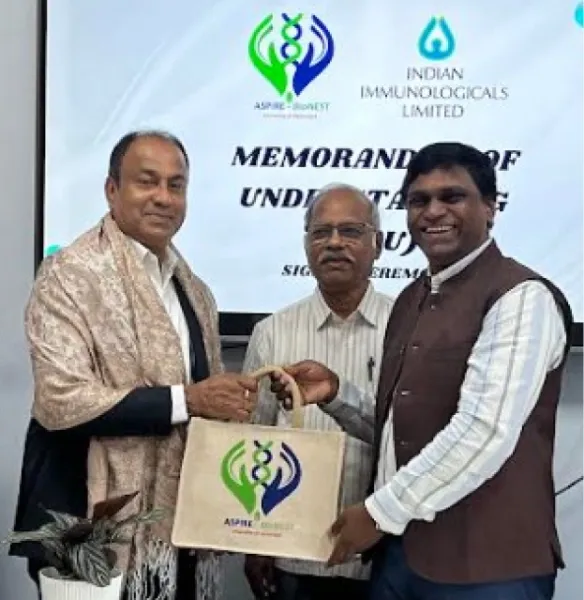
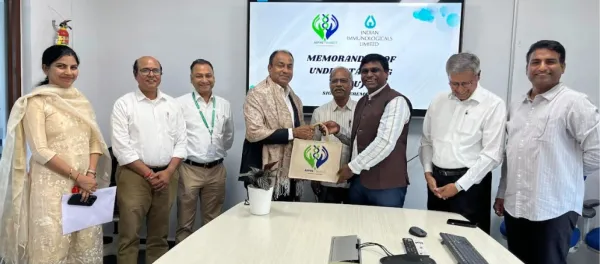
Piramal Foundation has announced a strategic partnership with Wadhwani AI to develop and implement artificial intelligence solutions across public systems. The collaboration will focus on healthcare and other public systems, combining AI development with on-ground adoption to improve service delivery and governance outcomes.
The partnership reflects a growing push to apply AI in governance and development programs in India. By combining advanced machine learning tools with large-scale field implementation, the initiative aims to improve decision-making, strengthen public service delivery, and enhance outcomes for communities that rely heavily on government-supported systems.
Piramal Foundation, through its Piramal Swasthya programmes, including the Digital Bharat Collaborative, works with governments and partners to expand the use of digital platforms to improve access to public services and strengthen data-driven governance.
With operations spanning 17 Indian states, the program focuses on enabling equitable access to quality healthcare and strengthening digital infrastructure within public systems.
Within healthcare, the partnership will align closely with the goals of the Ayushman Bharat Digital Mission (ABDM), which seeks to build a nationwide digital health ecosystem.
One example is the work being carried out in Chhattisgarh’s Mahasamund district, where Piramal Foundation has been supporting the deployment of ABDM-enabled health information systems to enable a continuum of care.
These efforts include training frontline health workers, strengthening district-level command and control systems, expanding digital health IDs through the ABHA framework, and supporting the rollout of reproductive and child health programs.
Wadhwani AI brings experience in developing AI tools designed specifically for low-resource public health settings. Its solutions include Shishu Maapan, a smartphone application that helps frontline health workers assess newborn health and identify early signs of malnutrition.
Another tool, Pregnancy Risk and Outcome Stratification (PROS), predicts which pregnant women are likely to miss antenatal visits, enabling health workers to intervene earlier and improve maternal care continuity.
The organization has also developed AI-based tools for tuberculosis detection and management, including cough-based screening models, AI-enabled chest X-ray analysis, and predictive models that identify patients at higher risk of adverse treatment outcomes.
In addition, Wadhwani AI supports public health systems through AI-powered telemedicine decision support, diabetic retinopathy screening, and conversational assistants for frontline health workers.
Together, Piramal Foundation and Wadhwani AI seek to create AI-enabled governance models that improve health outcomes and strengthen public systems for underserved populations.
Stay tuned for more such updates on Digital Health News
Follow us