New AI model to Interpret Brain MRIs within Seconds, Recent Study Suggests
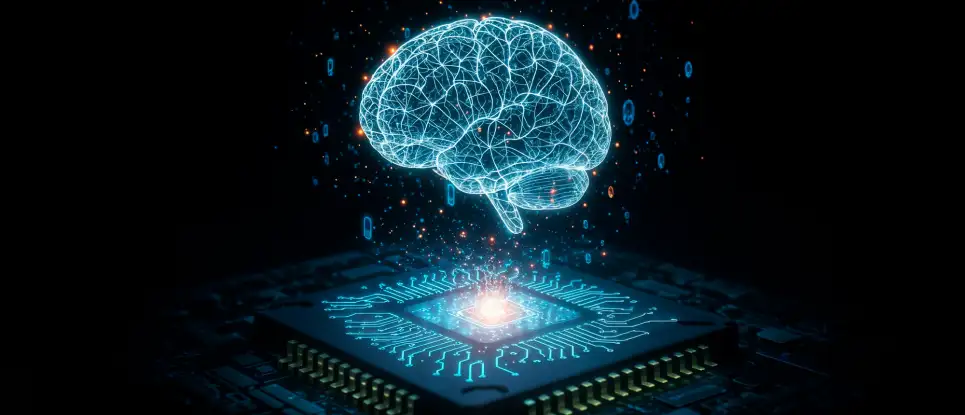
The AI model is designed to emulate aspects of a radiologist’s workflow by combining patient medical history with imaging data to develop a broader clinical assessment.
Researchers at the University of Michigan have developed a New artificial intelligence (AI) model capable of reading and diagnosing brain magnetic resonance imaging (MRI) scans in a matter of seconds.
The AI model called Prima is designed to emulate aspects of a radiologist’s workflow by combining patient medical history with imaging data to develop a broader clinical assessment.
The system’s multimodal architecture mirrors routine clinical practice, where imaging findings are interpreted alongside relevant clinical information rather than in isolation. From a technical perspective, Prima functions as a vision-language model, enabling it to analyze imaging data and clinical text together to generate differential diagnoses, referral suggestions, and indicators for case prioritization.
The new AI system was evaluated on more than 30,000 MRI studies collected over one year. Across more than 50 radiologic diagnoses, the model achieved diagnostic performance higher than other advanced AI systems and was reported to detect neurological abnormalities with an accuracy reaching approximately 97.5%.
In addition to identifying conditions, Prima seeks to asses urgency of patients' care. The AI model is designed to flag cases with critical conditions, such as hemorrhages or strokes that require rapid attention and recommend which clinical specialist, for example, a stroke neurologist or neurosurgeon, should be alerted immediately after imaging is completed.
Commenting on the new AI model, Todd Hollon, M.D., senior author and neurosurgeon at University of Michigan Health, and assistant professor of neurosurgery, said, “As the global demand for MRI rises and places a significant strain on our physicians and health systems, our AI model has potential to reduce burden by improving diagnosis and treatment with fast, accurate information.”
The research was supported by several funding sources, including the National Institute of Neurological Disorders and Stroke and other academic and philanthropic organization
Stay tuned for more such updates on Digital Health News
Follow us