Neuralink Patient Controls Webcam Using Only His Mind, Marking a New Milestone in BCI
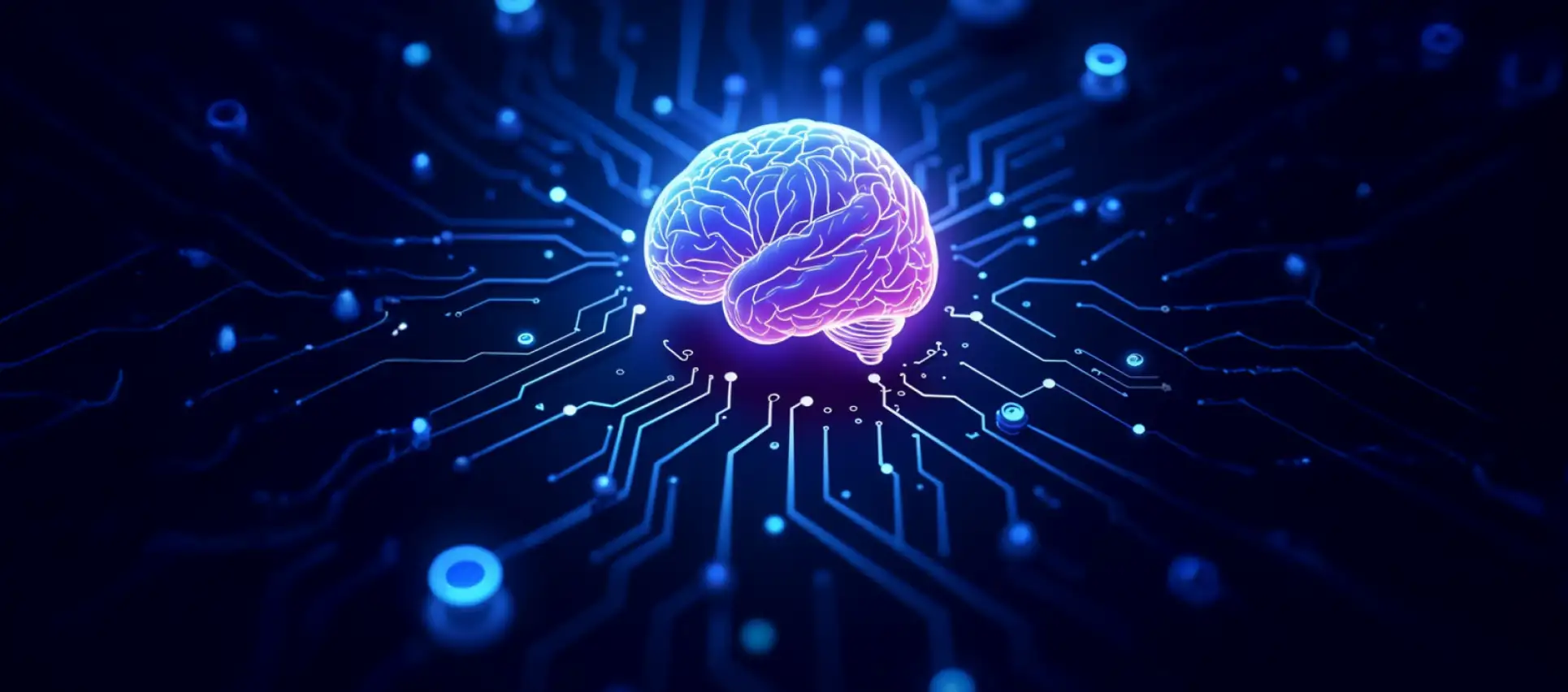
The coin-sized implant sits in the brain’s motor region, using ultra-thin threads to transmit signals that let users operate a cursor or webcam and regain a sense of control.
In a development poised to redefine human–machine interaction, Neuralink’s brain-computer interface (BCI) has enabled a patient to control a computer webcam and communicate using only his thoughts.
The patient, identified as Brad Smith, has been living with Amyotrophic Lateral Sclerosis (ALS) for the last seven years.
In November 2024, Smith became the third person and the first ALS patient to receive Neuralink's brain-computer interface.
After a period of training, Smith learned to use the implant to move a computer cursor. He then connected the Neuralink interface to an Insta360 Link 2, a 4K webcam with a motorized gimbal, allowing him to pan, tilt, and zoom the camera with brain impulses.
These movements simulate turning his head and following conversations around a room. Reportedly, he could use it to control a Mac-based system, moving a cursor and operating a webcam just by intending movement.
Commenting on the device, Smith said, "I have spent the last few years with ideas and thoughts that I cannot share because it takes too much time to type them out. I can already communicate faster and in more ways than I could before.”
“The setup allows me to look around, take photos and videos, and engage with my family in ways I couldn't before, restoring a sense of mobility in my gaze,” Smith added.
The implant, roughly coin-sized, sits in the portion of the brain that controls movement intention, with ultra-thin “threads” that link into neural tissue and transmit signals wirelessly to external computing devices.
Once implanted, the system decodes the user’s neural activity and translates it into computer commands, allowing the user to move or click a cursor, or even operate a webcam. This allows patients with severe mobility impairments to gain physical momentum.
Earlier in September, Elon Musk's Neuralink announced that a total of 12 people worldwide have received its brain implant. Collectively, the participants have used their devices for more than 2,000 days, accumulating over 15,000 hours of active operation.
Stay tuned for more such updates on Digital Health News
Follow us