How Does Digital Health Benefit Doctors in Terms of Patient Management
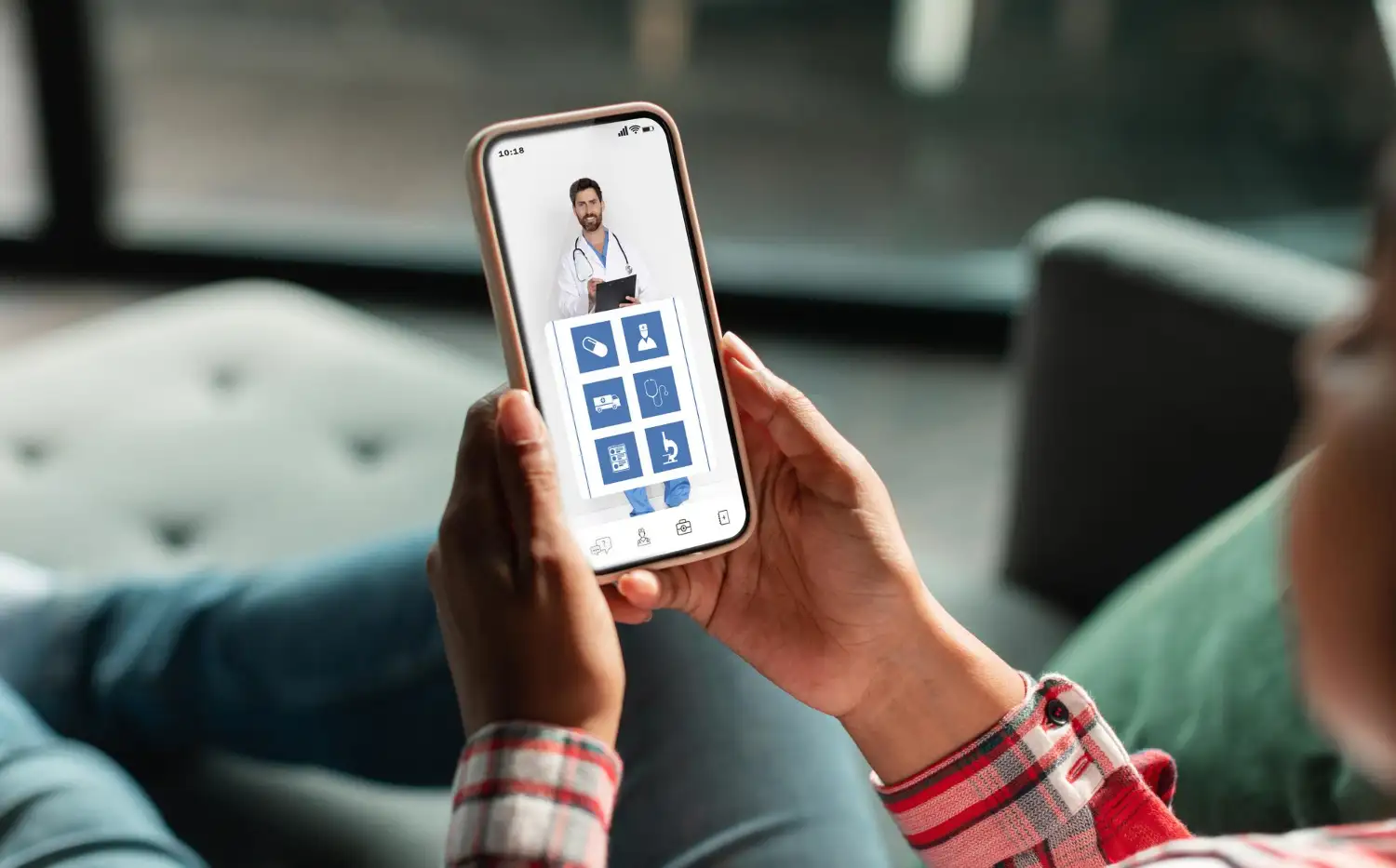
In today’s healthcare environment, patient care and safety have become increasingly complex. Rising disease burden, ageing populations, chronic conditions, and growing patient expectations are putting unprecedented pressure on doctors. At the same time, healthcare systems are expected to deliver timely, accurate, and continuous care while maintaining high standards of safety and quality.
In this evolving landscape, effective patient management is no longer optional; it is essential to achieving better clinical outcomes and ensuring patient safety. Digital health has emerged as a powerful enabler, helping doctors manage patients more efficiently, systematically, and at scale.
In this article, we shall explore how digital health tools help doctors improve patient management through data-driven decisions, ensure continuity of care, and enhance patient engagement
What is Patient Management?
Patient management refers to the comprehensive process of overseeing a patient’s healthcare journey from diagnosis and treatment planning to monitoring, follow-up, and long-term care. It involves clinical decision-making, coordination of care, documentation, communication, and outcome tracking.
For doctors, patient management goes beyond treating a single episode of illness. It includes maintaining accurate patient records, ensuring continuity of care, monitoring treatment adherence, and proactively identifying risks. Effective patient management ensures that care is consistent, timely, and personalized.
In modern healthcare, patient management increasingly relies on structured data, clinical workflows, and coordinated systems rather than isolated, episodic interactions.
Doctors today are under increasing pressure due to rising patient loads and limited clinical resources. In India, the doctor–patient ratio remains below recommended global standards. In large parts of rural India, however, a single doctor may be responsible for 17,000 people, highlighting a stark and deeply unequal reality. This is not merely a service gap; it reflects a systemic imbalance that directly affects access, safety, and quality of care.
Globally, the World Health Organization (WHO) recommends a minimum doctor–patient ratio of 1:1,000 to ensure adequate healthcare delivery. Many developed healthcare systems significantly exceed this benchmark, with ratios ranging between 1:300 and 1:500. In contrast, India continues to fall short of this global standard, with the situation far more difficult in rural and underserved regions.
As patient loads rise and clinical resources remain constrained, doctors are under increasing pressure to deliver timely, equitable, and high-quality care. Without effective patient management, this imbalance often results in fragmented care delivery, missed follow-ups, delayed interventions, and compromised patient safety.
Structured patient management enables doctors to prioritise care, track patient progress systematically, and maintain continuity even in high-volume settings. For doctors, patient management is therefore essential, not only to improve clinical outcomes but also to sustain efficiency, accountability, and long-term viability in everyday practice.
How Digital Health Bridges the Gap
Digitalization helps bridge the gap between growing patient demand and limited healthcare resources. Digital health tools empower doctors with tools that simplify, standardize, and enhance patient management. By digitizing clinical workflows, doctors gain real-time access to patient information, enabling faster, more accurate, and informed clinical decision-making. Through digital platforms, doctors can extend care beyond physical clinical settings, ensure timely follow-ups, and significantly reduce delays in diagnosis and treatment. These capabilities are especially important in high-volume and resource-constrained healthcare environments. Core essential tools for effective patient management include-
Electronic Health Records (EHRs)
Centralized digital records that provide longitudinal patient data, supporting continuity of care and informed clinical decisions.
Telemedicine and Virtual Care Platforms
Tools that enable remote consultations, follow-ups, and care delivery expand access to healthcare services.
Clinical Decision Support Systems (CDSS)
Evidence-based digital tools that assist doctors with diagnostics, treatment recommendations, and safety alerts.
Remote Patient Monitoring (RPM) Tools
Connected devices that allow continuous tracking of patient health parameters and early clinical intervention.
Patient Portals and Mobile Health Applications
Platforms that improve communication, appointment management, and treatment adherence through active patient engagement.
Digital health also enables proactive care by allowing doctors to track patient data over time, identify early warning signs, and intervene before conditions worsen. As a result, doctors can manage larger patient populations while maintaining quality and safety standards.
How Digital Health Benefits Doctors in Patient Management
Digital Health tools benefit doctors in patient management by making care delivery more efficient, informed, and scalable, while helping maintain quality and patient safety. Some of the key benefits include the following
1. Faster, Data-Driven Clinical Decisions
Real-time access to patient records and insights enables accurate diagnosis and evidence-based treatment.
2. Improved Efficiency & Reduced Administrative Burden
Digital workflows automate documentation, prescriptions, and follow-ups, freeing doctors to focus on patient care.
3. Better Continuity of Care
Longitudinal patient data and structured follow-ups ensure consistent care across visits and providers.
4. Expanded Access Through Telemedicine & Remote Monitoring
Digital tools help doctors reach more patients, including those in remote and underserved areas.
5. Enhanced Patient Engagement & Treatment Adherence
Digital communication and reminders improve compliance, outcomes, and the overall care experience.
Conclusion
Digitalization has reshaped nearly every industry, and healthcare is rapidly following this transformation. As patient demand continues to grow and healthcare systems face increasing pressure, doctors can no longer rely solely on traditional models of care. Adapting to modern digital technologies has become essential for doctors to extend their reach, manage rising patient loads, and deliver timely and effective treatment.
Digital health tools enable doctors to streamline patient management, improve clinical decision-making, and maintain continuity of care across settings. By leveraging technology, doctors can ensure that patients are not missed due to geographical, resource, or capacity constraints.
As healthcare continues to evolve, digital health will remain a critical enabler of patient management. It empowers doctors to serve larger and more diverse populations while maintaining quality, safety, and efficiency, ultimately allowing them to fulfil their role more effectively in an increasingly complex healthcare landscape.
Why is Patient Management a Must for Doctors?
Stay tuned for more such updates on Digital Health News
Follow us