Neuralink’s First Patient Noland Arbaugh shares Life-Changing impact 18 Months after Brain Implant
In 2024, a surgical robot implanted the Neuralink chip into his skull, connecting more than 1,000 electrodes to his neurons.
Noland Arbaugh, the first person to receive a Neuralink brain chip, says the implant has given him independence 18 months after surgery. Paralyzed from the shoulders down, he now studies, games, and manages daily tasks using only his thoughts.
Eighteen months after undergoing a brain implant surgery, Noland Arbaugh, the first person to receive Elon Musk’s Neuralink device, has described how the technology has transformed his life. Arbaugh was left paralyzed below the shoulders following a swimming accident in 2016 that dislocated two vertebrae.
In 2024, a surgical robot implanted the Neuralink chip into his skull, connecting more than 1,000 electrodes to his neurons.
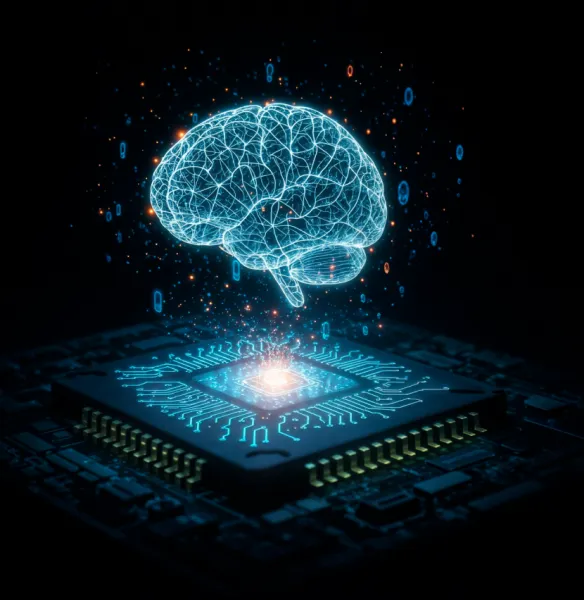
The brain-computer interface detects electrical signals and translates them into digital commands, enabling him to control a computer cursor, type, and operate electronic devices.
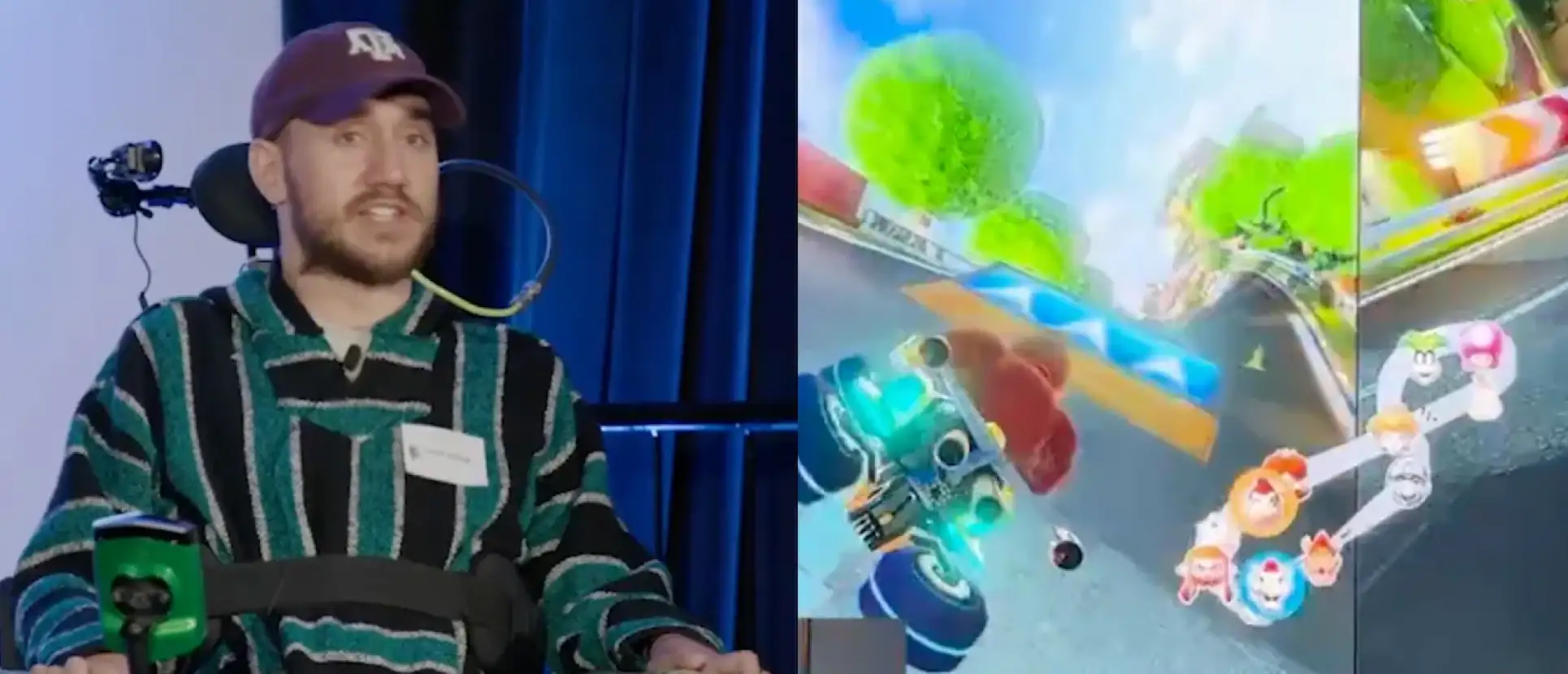
Arbaugh said he uses the device for about 10 hours daily. With it, he is able to study, read, and play games like Mario Kart, while also operating household appliances such as his television and air purifier. He has enrolled in classes at a community college in Arizona and is planning to start his own business, including professional speaking engagements.
Before the implant, Arbaugh said he felt aimless. “I would stay up all night and sleep all day, and I didn’t really [want to] bother anyone or ruin any plans or get in the way of anything,” he recalled. “I just had no purpose… I was just kind of going through the motions, waiting for something to happen.”
The device, he said, has restored his sense of direction. “I feel like I have potential again. I guess I always have had potential, but now I’m finding a way to fulfill that potential in meaningful ways. It’s a lot different.”
Asked if he was worried about being the first clinical trial patient, Arbaugh said it was an easy choice. “I decided that, even if it didn’t work—even if something went terribly wrong—I knew that it would help someone down the road,” he explained.
The journey has not been without setbacks. Shortly after the surgery, some of the device’s threads retracted, reducing his control. Arbaugh chose not to speak publicly at the time, saying it would have been “extremely rash of me, and it would have absolutely made people lose faith in the product.” The Neuralink team later resolved the issue.
Reflecting on his experience, Arbaugh joked, “Technically I am a cyborg because I have been enhanced by a ‘machine.’ But I still see myself as a regular guy… But it’s fun to play around with.”
Stay tuned for more such updates on Digital Health News
Follow us