Leadership in Healthcare: Key Strategies for Managing and Motivating Teams in Hospital Settings

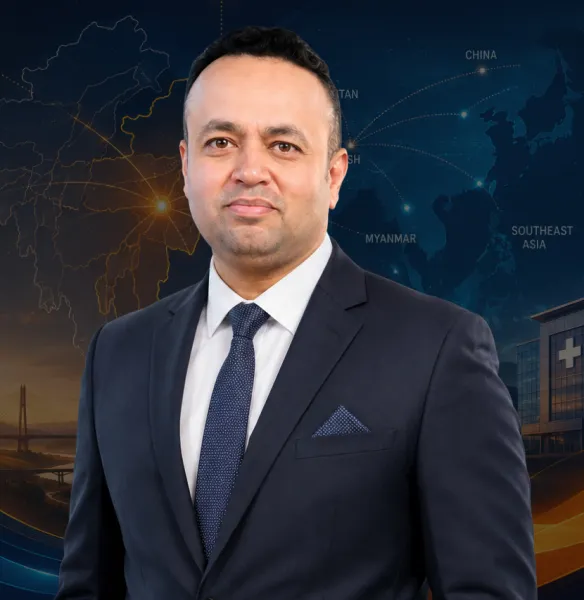
Dr Sunil K Khetarpal, Deputy Director General, Association of Healthcare Providers - AHPI (India)
"Leadership is not about being in charge, it is about taking care of those in your charge." – Simon Sinek.
Leadership is often viewed as an innate quality, but the truth is that no one is born a leader. Leadership traits are not only learned over time but are also developed through experience, mentorship, and self-reflection. A person does not become a true leader simply by holding a leadership title. Leadership is about the ability to inspire, guide, and support a team, and in the healthcare sector, these qualities are critical for driving positive change. Healthcare is not an exception when it comes to effective leadership. True healthcare leaders embody specific leadership traits that go beyond management skills; they are visionary, empathetic, strategic, and deeply committed to enhancing the well-being of society.
In healthcare, leadership takes on even greater importance because it directly impacts the quality of care that patients receive. Healthcare leaders are not only responsible for managing teams and hospital resources but are also tasked with setting long-term strategic goals that affect the health of the entire population. They play a key role in shaping healthcare policies, ensuring operational efficiency, and adapting to the dynamic nature of the healthcare environment. Therefore, healthcare leaders must have a clear vision, strong communication skills, and the ability to motivate their teams towards achieving common goals.
Entrepreneurship and leadership go hand in hand. They drive innovation, inspire teams, embrace risks, and create impactful solutions that transform industries and shape a better future.
"Leadership is not about ruling others. It is about empowering others."APJ Abdul Kalam
A true healthcare leader embodies traits essential to building and managing successful teams in hospital settings. These traits include:
Vision and Strategic Thinking: Healthcare leaders must have a vision for the future and the ability to develop a strategic plan to turn that vision into reality. A strategic leader is able to align the organization’s goals with national health priorities, such as achieving universal health coverage (UHC) and improving healthcare outcomes. They can anticipate changes and create long-term solutions.
Adaptability and Change Management: The healthcare industry is dynamic and constantly evolving. Healthcare leaders must be adaptable and skilled at change management. They need to drive initiatives that help their organizations respond to challenges, such as advancements in medical technology, shifts in healthcare policies, and changes in patient expectations.
Empowering and Engaging Teams: Healthcare leaders do not simply dictate orders but work alongside their teams to achieve their goals. They know the value of empowerment and actively engage their staff. By creating an inclusive environment and offering opportunities for personal and professional growth, these leaders foster loyalty and motivation, leading to high levels of productivity and efficiency.
Emotional Intelligence: Healthcare leaders must possess emotional intelligence to navigate the complexities of human emotions, both of their teams and the patients they serve. Being able to communicate effectively, manage conflicts, and understand the needs of others ensures a harmonious workplace and patient care environment.
Integrity and Ethical Responsibility: Healthcare leaders are entrusted with not just the management of resources but the responsibility of making decisions that impact people's lives. A true leader upholds integrity and ethical responsibility, making decisions that prioritize patient care and well-being above all else.
Communication Skills: Effective communication is key to successful leadership. Healthcare leaders must be able to communicate clearly with their teams, patients, and stakeholders. Transparent, consistent, and empathetic communication ensures that goals are understood and the needs of patients are met.
Commitment to Continuous Improvement: The healthcare industry is one of the most critical fields where continuous improvement is necessary. Healthcare leaders are committed to staying informed about the latest research, best practices, and innovations. They inspire their teams to embrace this mentality of continuous improvement.
Healthcare leadership is about vision, strategy, and the ability to inspire and motivate teams to achieve high standards of care. Leaders who exhibit empathy, adaptability, and a commitment to improving healthcare outcomes are essential in driving healthcare reform, whether in local hospitals or across entire health systems.
There are many examples of healthcare leaders who have made significant contributions to the field, both within India and internationally. These leaders have showcased the characteristics mentioned above and have positively impacted healthcare systems, driving forward reforms that benefit both the healthcare workforce and society.
1. Dr. Pratap C Reddy – Pioneer of Corporate Healthcare in India
Founder of Apollo Hospitals, Dr. Reddy, introduced corporate healthcare to India, making high-quality medical services accessible nationwide. He advanced telemedicine, medical tourism, and public-private partnerships. His visionary leadership transformed healthcare delivery, blending medical excellence with innovation and setting new benchmarks in patient care and infrastructure.
2. Dr. Giridhar Gyani – A Visionary in Indian Healthcare Leadership
Dr. Gyani’s leadership qualities go beyond his expertise in hospital accreditation, quality standards, and healthcare policy. He has been a key advocate for the establishment of robust healthcare systems, ensuring that India’s diverse population has access to quality care, inspiring professionals to strive for excellence in patient outcomes.
3. Dr. Devi Prasad Shetty – Transforming Healthcare Accessibility in India
Founder of Narayana Health and co-founder of AHPI, Dr. Shetty revolutionized cardiac care in India by offering affordable, high-quality treatment. He integrates technology and patient-centric practices, bringing life-saving treatment to millions, especially underserved populations.
4. Dr. M.I. Sahadulla, Chairman and Managing Director of KIMSHEALTH and National President AHPI, exemplifies visionary leadership in healthcare. With a focus on quality, ethics, and patient-centered care, he has expanded accessible healthcare across India and the Middle East.
5. Dr. Atul Gawande – A Global Leader in Healthcare Reform
Dr. Gawande, a surgeon and public health advocate, is known for the Safe Surgery Saves Lives and surgical checklist initiatives. He influenced global health systems to prioritize patient safety, quality care, and system-wide reform.
6. Dr. Alexander Thomas – Champion of Policy Advocacy, Healthcare Communication, and Environmental Health
Dr. Alexander Thomas, Founder and Patron of the Association of Healthcare Providers (India), leads efforts in policy advocacy, ethical leadership, and environmental health. A published author, he promotes communication, technology, and professionalism to ensure quality, sustainable care.
7. Dr. Narottam Puri – Expert in Healthcare Quality and Policy
A senior advisor and policy expert, Dr. Puri contributes to health system improvements through accreditation and standard-setting. As a thought leader, he bridges clinical knowledge and administrative expertise, advancing quality healthcare and evidence-based policy reforms in India.
8. Dr. Margaret Chan – Global Leadership in Public Health
As WHO Director-General, Dr. Chan led responses to major outbreaks like H1N1 and Ebola. Her leadership emphasized universal health coverage and global cooperation. Known for uniting diverse teams, she steered strategic decision-making under pressure, advancing health equity and system resilience on an international scale.
The AHPI (Association of Healthcare Providers India) represents the majority of healthcare providers in the country. It serves as an important platform for advocating healthcare reforms, improving healthcare quality, and addressing the challenges faced by healthcare providers in the country.
The leadership of AHPI typically consists of seasoned professionals in healthcare management, policy, and administration. The leadership team guides the organization in its mission to promote better healthcare standards and systems in India. The leadership's commitment to advancing India's healthcare system makes AHPI an influential body in the country's healthcare ecosystem.
Healthcare leadership is multifaceted and requires a combination of vision, strategic thinking, people management, motivation, empowerment, adaptability, innovation, and a commitment to continuous improvement. Leaders who embody these qualities not only inspire their teams but also play a crucial role in shaping the future of healthcare. By following the principles of effective leadership, healthcare leaders can ensure that their organizations provide high-quality, efficient, and patient-centered care that meets the evolving needs of society
"A leader creates leaders, and a good leader creates leaders who outshine him". Let us all become good leaders !!
Stay tuned for more such updates on Digital Health News