KIMS Hospitals Introduces Adaptive Deep Brain Stimulation in India
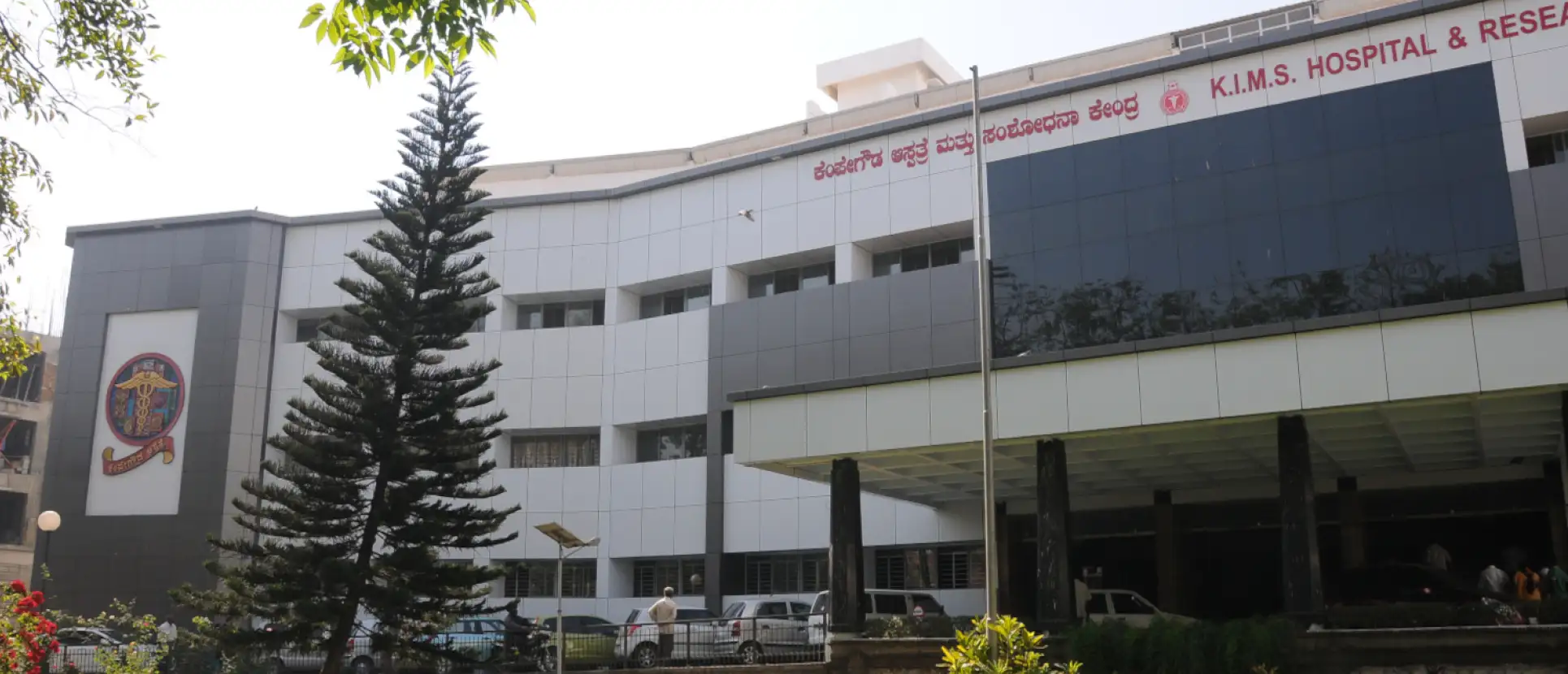
The technology integrates real-time brain-sensing capabilities to automatically adjust stimulation levels based on neural activity.
KIMS Hospitals has introduced Adaptive Deep Brain Stimulation (aDBS) in India, becoming one of the first centres in the country to implement the sensing-enabled, closed-loop system for patients with Parkinson’s disease.
The technology integrates real-time brain-sensing capabilities to automatically adjust stimulation levels based on neural activity.
The adaptive system builds on the previously developed Percept™ platform and incorporates BrainSense™ technology. Unlike conventional deep-brain stimulation (DBS) devices that deliver constant electrical stimulation, aDBS continuously monitors local field potentials in the beta frequency range and modulates therapy accordingly.
Parkinson’s disease patients treated with traditional DBS often require manual adjustments to address fluctuations in tremors, rigidity, and slowness of movement. The adaptive system introduces a dynamic feedback loop, increasing or decreasing stimulation in response to changes in brain signals. Physicians continue to define stimulation thresholds and safety parameters.
Dr. Guruprasad Hosurkar, Director and Lead Consultant in Neurology and Head of the Parkinson’s Disease and Movement Disorder Programme at KIMS Hospitals, said the system reduces the need for manual device adjustments and may lower overall stimulation exposure. According to clinical data cited by the hospital, total stimulation usage could decrease by nearly 50%, potentially extending battery life and reducing long-term device replacement costs. Reduced excess stimulation may also lower the risk of stimulation-related side effects.
Adaptive DBS first received regulatory approval in the United States and was later introduced in select global centres, including Japan. India approved earlier this year, enabling domestic implementation.
Dr. Raghuram Gopalakrishnan, Director and Senior Consultant, Head of Stereotactic and Functional Neurosurgery, stated that the hospital will initially upgrade select existing DBS patients to the adaptive platform through software updates and advanced programming. In the first phase, four to five eligible patients are expected to transition in early March.
He added that the system incorporates artificial intelligence algorithms that analyse neuronal waveforms and adjust stimulation parameters in real time.
Dr. Nitish Shetty, Managing Director of KIMS Hospitals, Bengaluru, said the introduction of adaptive closed-loop DBS strengthens the hospital’s neurological treatment capabilities by aligning with global neuromodulation standards.
Short Summary:
KIMS Hospitals has introduced Adaptive Deep Brain Stimulation (aDBS) in India for Parkinson’s disease. The closed-loop system uses real-time brain sensing to automatically adjust stimulation levels based on symptom fluctuations.
Stay tuned for more such updates on Digital Health News
Follow us