India Unveils Light-based Brain Scanner
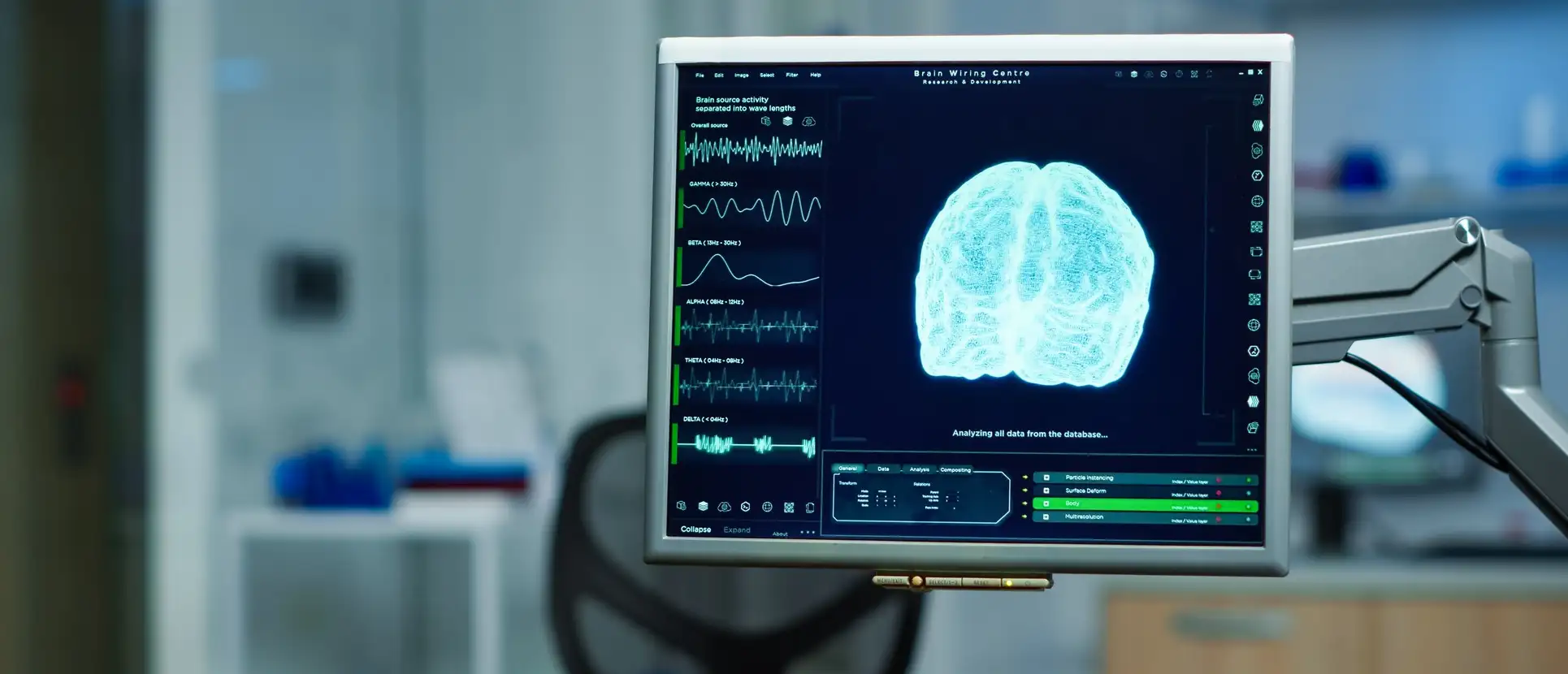
The device is compact, works in noisy settings, and could act as a portable alternative to MRIs in healthcare and space.
Researchers at Raman Research Institute have built a light-based magnetometer that can detect brain signals without the need for shielded rooms.
The device is compact, works in noisy settings, and could act as a portable alternative to MRIs in healthcare and space.
The new magnetometer uses a technique called Raman-driven spin noise spectroscopy to pick up weak magnetic fields from the brain while tolerating stronger ambient fields. It relies entirely on lasers and atoms, and does not need any touch-based electrical sensing.
According to the team, this is one of the first optical magnetometers to combine high sensitivity with a wide dynamic range. The scanner has achieved a sensitivity of 30 picotesla per root hertz at 100 Hz, which is comparable to advanced lab systems but without requiring any shielding.
Researchers have explained that it works by detecting tiny quantum fluctuations in rubidium atoms when exposed to magnetic fields. These atoms act as sensors, with their spin noise patterns changing in response to the environment. A laser beam records these fluctuations without disturbing the atoms.
This allows the system to work in practical settings like hospitals, rural clinics, spacecraft and even geological sites.
The research has been led by Dr Saptarishi Chaudhuri’s team at the Quantum Mixtures Lab at RRI, with PhD scholar Sayari as the lead author.
According to the researchers, the device can enable next-generation brain scanning, mineral sensing and magnetic field detection across sectors such as healthcare, geology and aerospace.
Stay tuned for more such updates on Digital Health News
Follow us