NIH Unveils Game-Changing MRI Scanner to Map Brain Microstructures in Real Time
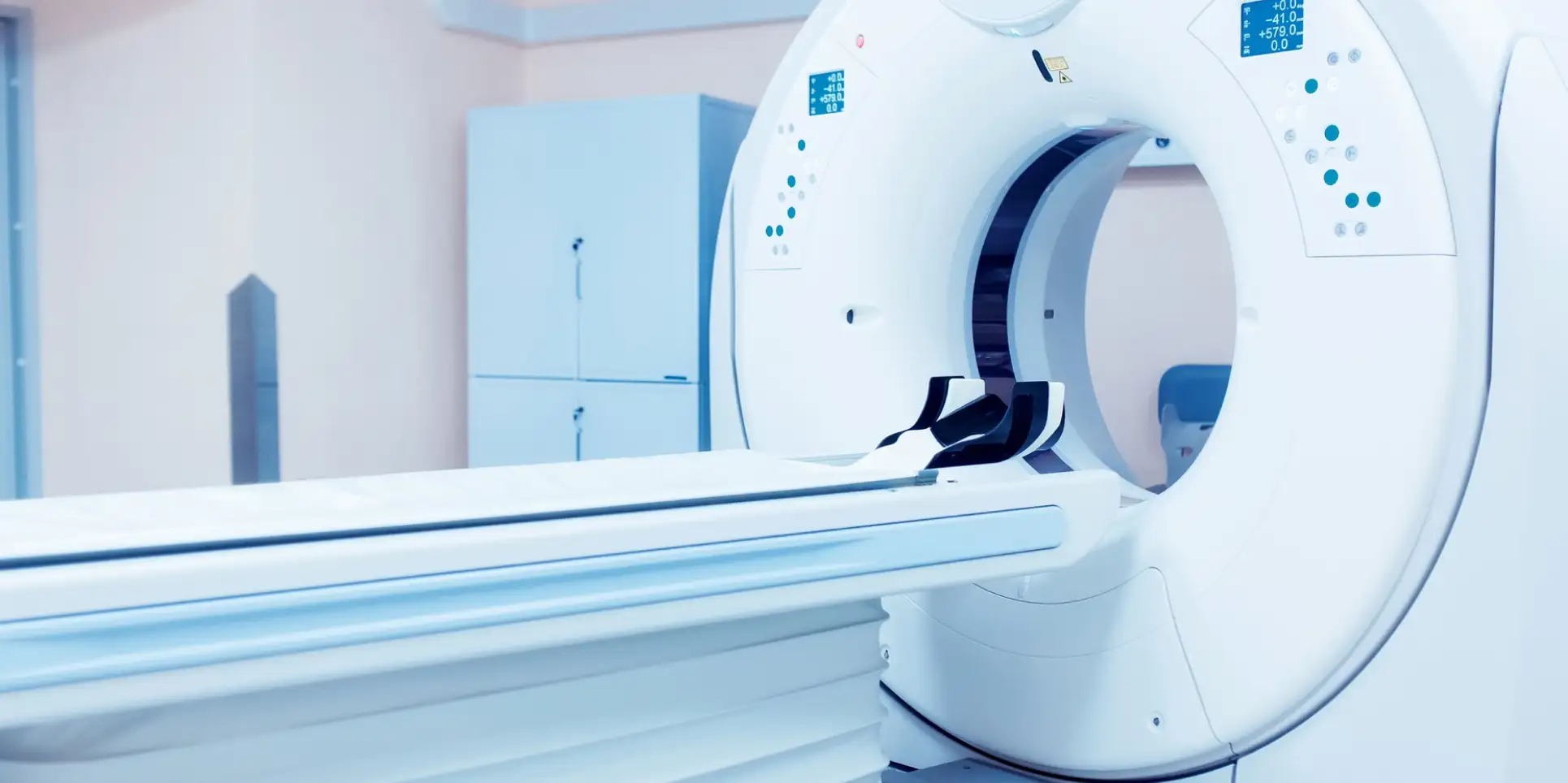
The new system, called Connectome 2.0, enables researchers to study subtle differences in brain microstructures such as axon diameter and cell size, across living individuals, bridging a major gap in efforts to understand complex brain disorders at a microscopic level.
In a landmark development for neuroscience, researchers funded by the National Institutes of Health (NIH) have unveiled an ultra-high-resolution MRI scanner that can noninvasively image the human brain at near-cellular precision, something previously only possible in postmortem or animal studies.
The new system, called Connectome 2.0, enables researchers to study subtle differences in brain microstructures such as axon diameter and cell size, across living individuals, bridging a major gap in efforts to understand complex brain disorders at a microscopic level.
“This research is a transformative leap in brain imaging, pushing the boundaries of what we can see and understand about the living human brain at a cellular level,” said Dr John Ngai, Director of the NIH’s BRAIN Initiative. “The new scanner lays essential groundwork for the BRAIN CONNECTS programme’s ultimate goal: developing a wiring diagram for the human brain.”
What Makes Connectome 2.0 Unique?
Unlike traditional MRI machines, this scanner:
- Snugly fits around the head to enhance imaging precision
- Uses many more signal channels, dramatically increasing the signal-to-noise ratio
- Delivers nearly single-micron resolution, enabling detection of minute structural differences has been tested safe in human volunteers, revealing individual-level microstructural patterns never visible before
These improvements mean researchers can now track brain circuits and cell-level structures in real time, paving the way for precision neuroscience, where targeted therapies could be customized to a patient’s unique brain connectivity.
“This platform truly spans the scale from cells to circuits,” said Dr. Susie Huang, senior author and radiologist at Mass General Hospital. “It’s a powerful new tool to study the brain’s architecture in both health and disease.”
The innovation supports the broader goals of The BRAIN Initiative Connectivity Across Scales (BRAIN CONNECTS) program, which aims to map the human brain’s wiring at multiple scales across both large circuits and cellular connections.
The findings were published July 16 in Nature Biomedical Engineering, marking a major milestone in neuroscience research.
Stay tuned for more such updates on Digital Health News
Follow us