India Scales AI-led Maternal Health Research with 12,000-Woman Cohort under GARBH-INi: Dr Jitendra Singh
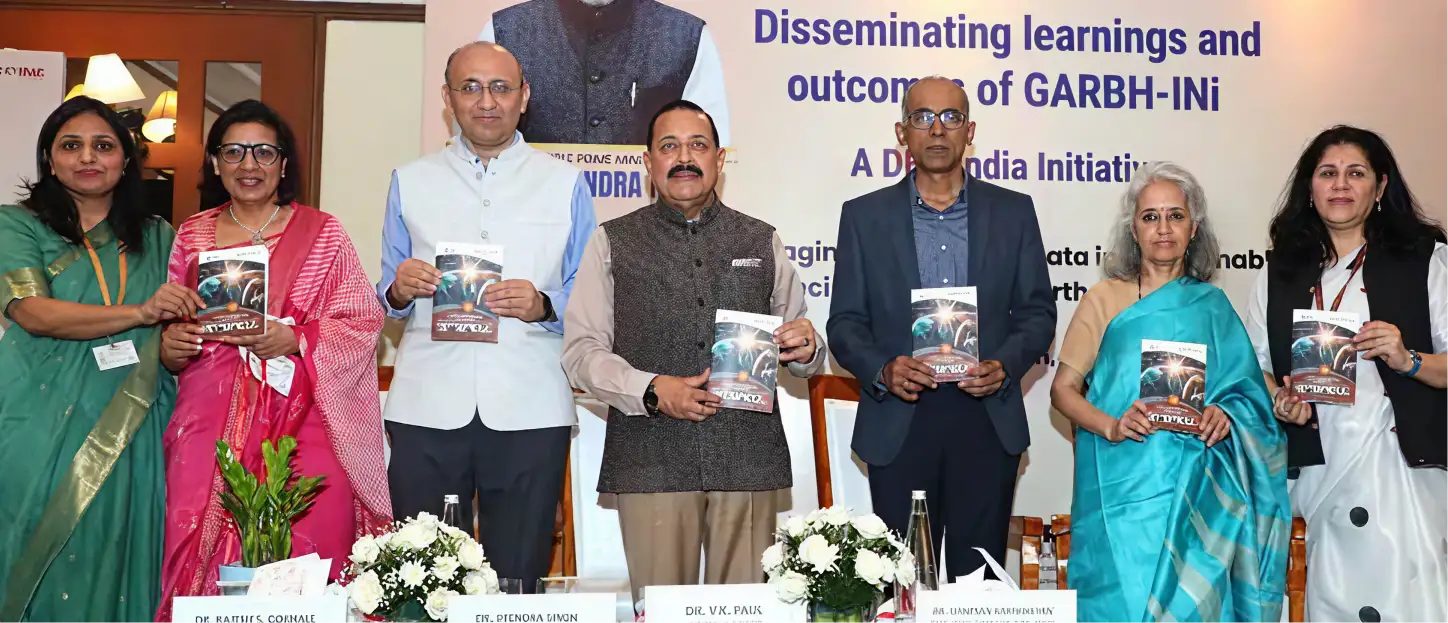
A key milestone of the initiative is the establishment of a national biorepository and the GARBH-INi-DRISHTI data-sharing platform, which enables wider access to researchers and supports global scientific collaboration.
India has launched its largest pregnancy cohort study involving 12,000 women under the GARBH-INi initiative to develop AI-driven solutions for predicting preterm births, Union Minister Dr Jitendra Singh said.
Preterm birth remains a major public health concern globally, contributing significantly to neonatal mortality and long-term health complications. India accounts for a substantial share of these cases, making it critical to develop context-specific, data-driven solutions.
The GARBH-INi (Interdisciplinary Group for Advanced Research on Birth Outcomes) programme, led by the Department of Biotechnology, has been designed to address this gap through indigenous research tailored to Indian populations.
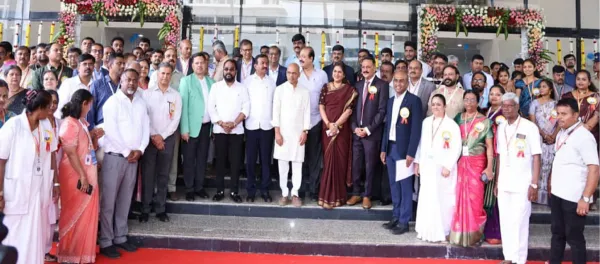
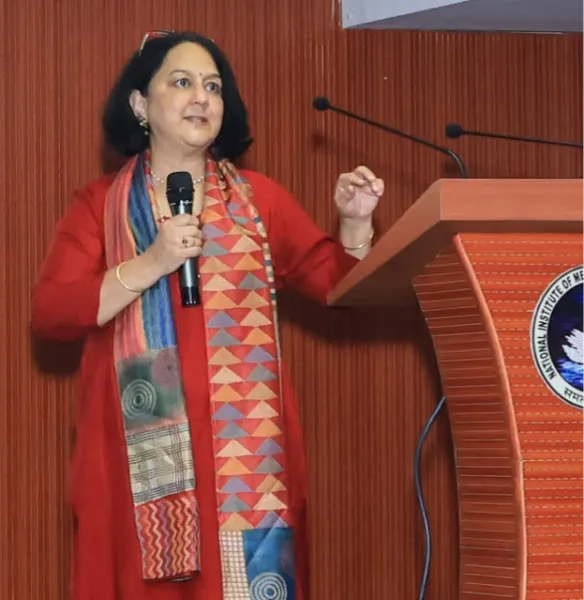
Speaking at a recent event, the Minister highlighted that the initiative integrates clinical epidemiology, multi-omics biomarkers, and artificial intelligence to create personalised predictive models. He noted that the study has already enrolled around 12,000 pregnant women, forming one of South Asia’s largest cohorts.
The programme has generated a vast dataset, including over 1.6 million biospecimens and more than one million ultrasound images. This extensive repository is being used to build AI-based pregnancy dating models suited to Indian populations, identify microbiome-linked predictors of preterm birth, and develop rapid diagnostic tools and genetic markers for early risk detection.
Dr Jitendra Singh said, “India carries a significant share of the global burden of preterm births, making it essential to develop solutions suited to Indian conditions.” He added that such indigenous innovations are expected to improve maternal and neonatal health outcomes while reducing long-term disease risks.
A key milestone of the initiative is the establishment of a national biorepository and the GARBH-INi-DRISHTI data-sharing platform, which enables wider access to researchers and supports global scientific collaboration.
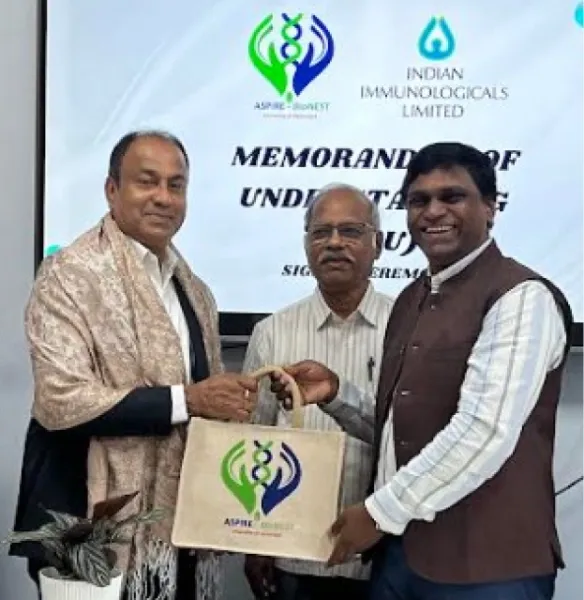
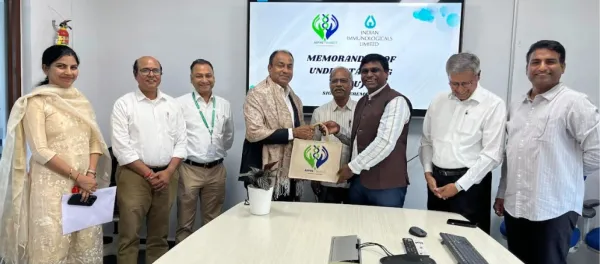
The programme has also entered partnerships to accelerate real-world deployment, including technology transfer for microbiome-based biotherapeutics and collaborations with companies such as Qure.ai for AI-enabled ultrasound reporting and risk stratification.
The Minister linked the programme to the country’s 2047 vision, stating that strengthening maternal and child health is essential for building a healthier and more productive population.
He also highlighted the rapid growth of India’s bioeconomy, which has expanded significantly over the past decade, driven by advances in biotechnology and preventive healthcare innovation.
Experts, including Dr V. K. Paul, Member, NITI Aayog, have emphasised the need to transition the programme into its next phase by scaling the use of predictive tools, deepening data analysis, and strengthening collaborations.
As the initiative progresses, GARBH-INi is expected to play a critical role in translating research into accessible, technology-enabled maternal healthcare solutions across the country.
Stay tuned for more such updates on Digital Health News
Follow us