India Launches First Biofoundry Network to Boost Biomanufacturing and Start-Ups
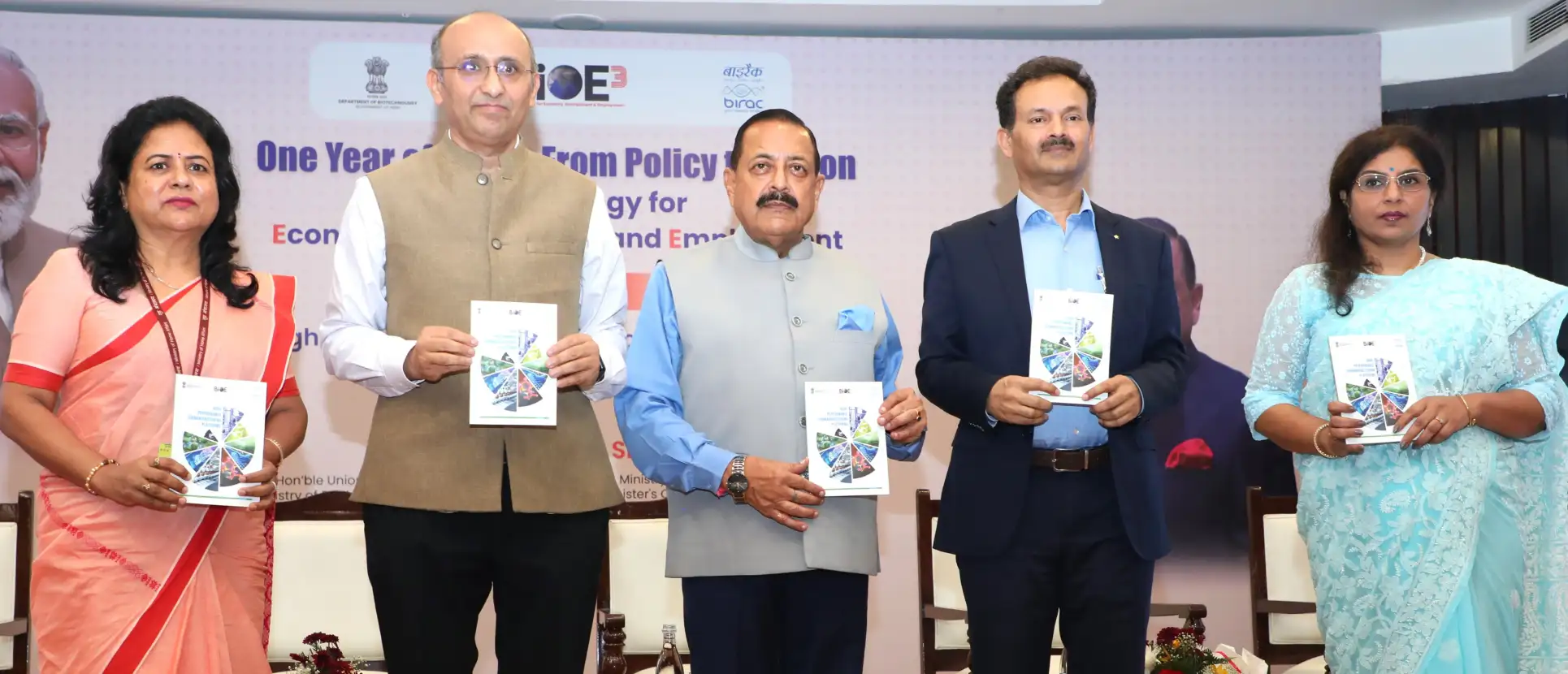
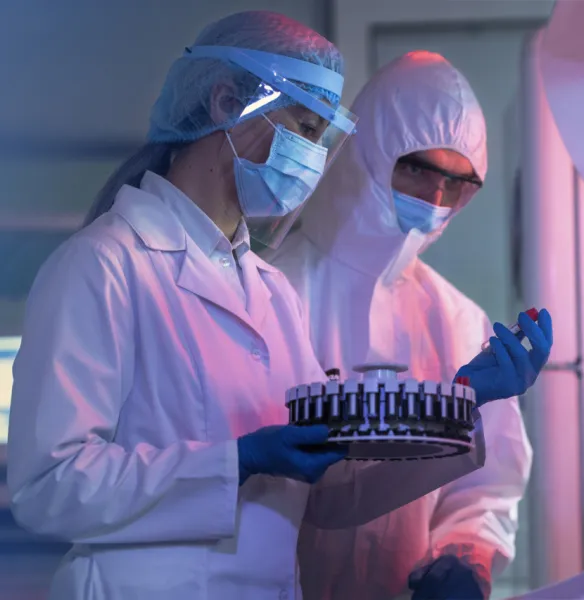
The BioFoundry facilities will employ advanced biotechnology tools, automation, and artificial intelligence to design, build, and test biological systems at scale.
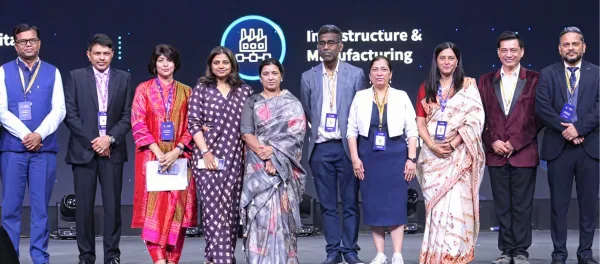
India unveiled its first Biofoundry Network on Monday, a nationwide initiative comprising 21 facilities aimed at accelerating biomanufacturing, reducing import dependence, and supporting start-up growth.
The initiative aligns with the country’s goal of building a $300 billion bioeconomy by 2030, up from $165 billion in 2024.
The launch, spearheaded by the Department of Biotechnology (DBT) and the Biotechnology Industry Research Assistance Council (BIRAC), coincided with the first anniversary of the BioE3 Policy, Biotechnology for Environment, Economy, and Employment, which was approved in 2024 to strengthen the country’s biomanufacturing sector.
Speaking on the initiative, Science and Technology Minister Jitendra Singh said, “This is more than just infrastructure; it is a transformative ecosystem that will create jobs, promote green growth, and reinforce India’s standing as a global bioeconomy leader. By aligning with our climate commitments and the vision of Atmanirbhar Bharat, we are laying the foundation for a multi-trillion-dollar bioeconomy by 2047.”
Additionally, the biofoundry facilities will employ advanced biotechnology tools, automation, and artificial intelligence to design, build, and test biological systems at scale. They will serve as shared infrastructure for start-ups, small and medium enterprises, industries, and academic institutions.
Among the 21 facilities, a biofoundry in Ahmedabad is being set up for the commercial production of probiotics by Sundyota Numandis Probioceuticals Private Limited. IIT Madras will host a facility supporting pharma and cosmetics product development, while KIIT Technology Business Incubator in Bhubaneswar is planning a centre for marine biotechnology products. These facilities will support pilot and pre-commercial scale technologies across sectors, including microbial biomanufacturing and marine biotechnology.
Jitendra Kumar, managing director of BIRAC, noted, “Start-ups and innovators often face bottlenecks in scaling their technologies. With this network, we are providing critical access to pilot-scale and commercial-ready facilities, which will not only strengthen self-reliance but also open new avenues for exports and global partnerships.”
Stay tuned for more such updates on Digital Health News
Follow us