India-EU Free Trade Agreement Reshapes Pharma & Medical Devices Landscape
India has agreed to reduce or eliminate customs duties on around 90 per cent of medical and surgical equipment tariff lines over the implementation period, bringing rates that currently reach about 27.5 per cent down to zero.
India and the European Union have reached a landmark free trade agreement that expands access to pharmaceuticals and medical devices, lowers tariffs on most healthcare products and positions both sides for deeper integration in MedTech supply chains.
The pact opens pathways into the EU’s USD 572.3 Bn pharmaceuticals and medical devices market, offering Indian companies preferential or zero-tariff access while committing India to steep tariff reductions on a large share of imported European medical equipment.
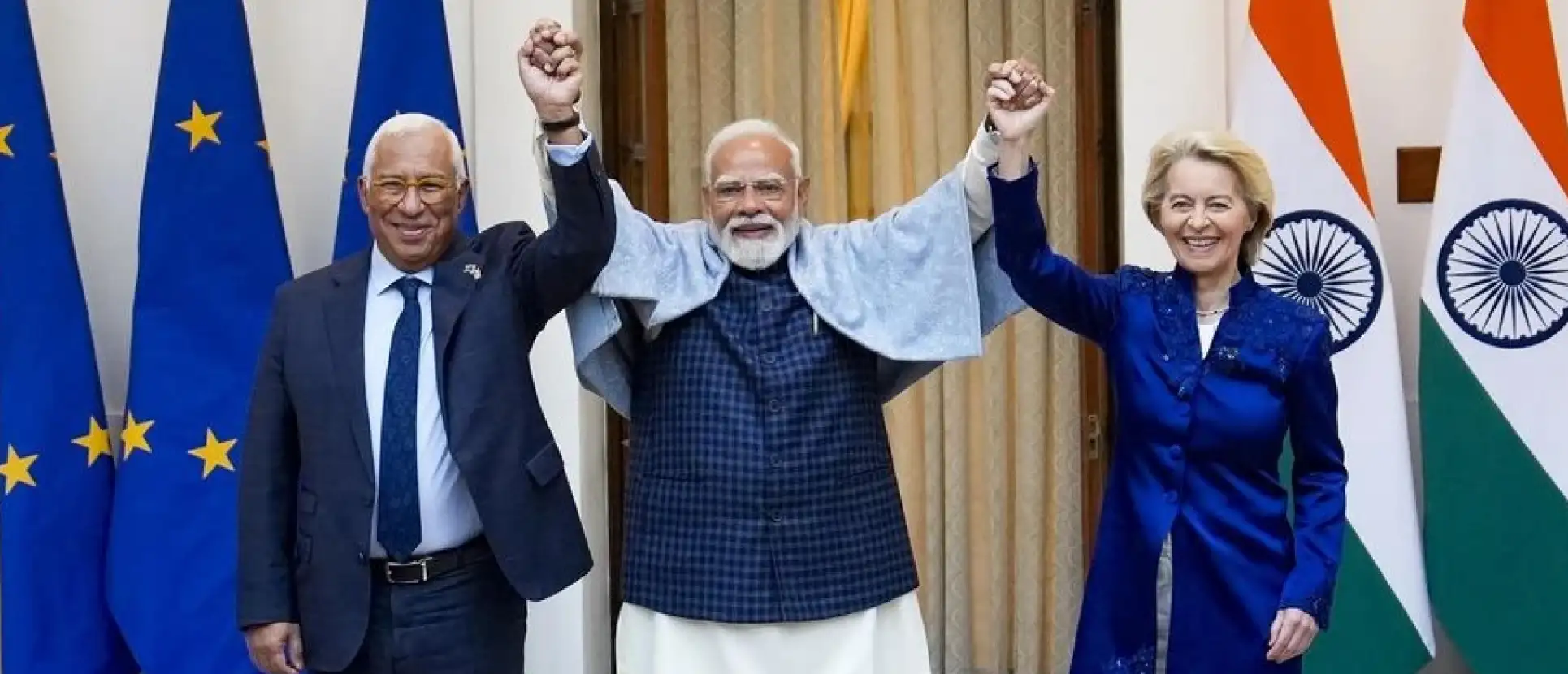
Together, India and the EU account for roughly a quarter of global GDP and a combined market of about two billion people. As European Commission President Ursula von der Leyen said, “We did it, we delivered the mother of all deals,” while Prime Minister Narendra Modi described it as “historic”.
India has agreed to reduce or eliminate customs duties on around 90 per cent of medical and surgical equipment tariff lines over the implementation period, bringing rates that currently reach about 27.5 per cent down to zero.
This is expected to lower acquisition costs for European imaging systems, critical-care equipment and high-end diagnostics such as CT, MRI, ultrasound and PET-CT scanners, which already form a large share of India’s medical technology imports.
Hospitals, diagnostic networks and patients are likely to benefit from improved access to advanced technologies and easing capital expenditure pressures, especially in tertiary and quaternary care.
At the same time, Indian manufacturers gain improved entry into the EU market, where tariffs of up to 6.7 per cent on medical instruments, devices and related products are set to be removed across more than 99 per cent of lines.
Rajiv Nath, Forum Coordinator, AiMeD, said, “The India-EU FTA must ensure a level playing field for India's medical device manufacturers. With fair regulatory alignment and safeguards against predatory imports (especially from 3rd countries), this agreement can unlock high-value collaboration, boost domestic manufacturing, and support India's ambition to become a top-five global MedTech hub. The goal should be mutual growth anchored in quality, transparency, and patient safety under an MRA(mutual recognition agreement) based on common ISO standards. We look forward to reviewing the fine print and the follow-on cooperation discussions.”
Pavan Choudary, Chairman, Medical Technology Association of India (MTaI), added, “We congratulate India and the European Union on concluding this landmark agreement, which is expected to open a new chapter in healthcare cooperation - where success will be measured not only in GDP, but in lives improved and saved… Most importantly for patients, any eventual tariff reductions on medical devices should help improve affordability and access to advanced therapies, making this agreement a potential example of how ethical and equitable trade can reinforce health systems on both sides.”
Industry and government policy messaging points to new opportunities for Indian-made devices, consumables, lenses, spectacles and in-vitro diagnostics produced in hubs across Gujarat, Maharashtra, Karnataka and Andhra Pradesh.
For IVD companies, zero-tariff access could make Indian reagents, kits and point-of-care tests more competitive in Europe, provided firms can meet stringent EU regulatory requirements.
Stay tuned for more such updates on Digital Health News
Follow us