AI will Collaborate & Assist, Not Replace Doctors: Dr Sudhir Srivastava on AI in Healthcare
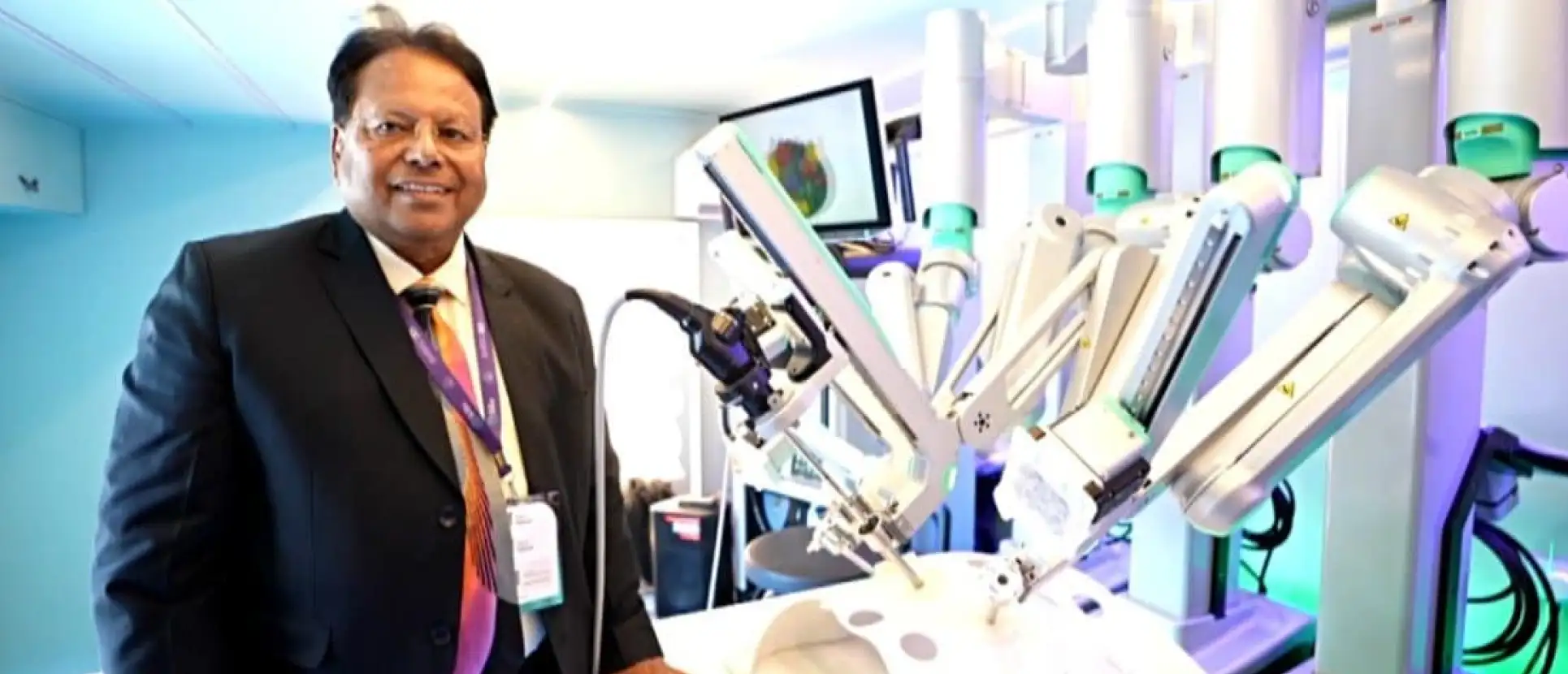
Srivastava also highlighted the potential of telesurgery and robotic platforms to bridge the gap between urban specialists and patients in remote areas.
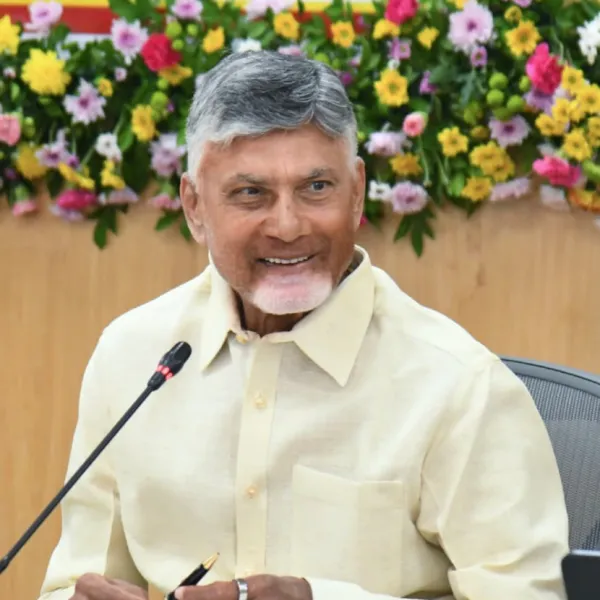
Artificial intelligence has increasingly become part of modern healthcare systems, but it is unlikely to replace physicians. Instead, the future will involve collaboration between clinicians and technology, with AI acting as a sophisticated clinical assistant, according to Dr Sudhir Srivastava, Founder and Chairman of SS Innovations International.
In a recent interview, Srivastava said that while AI can analyse medical data with remarkable speed and accuracy, essential elements of healthcare, clinical judgement, ethical decision-making, and patient trust, remain deeply human.
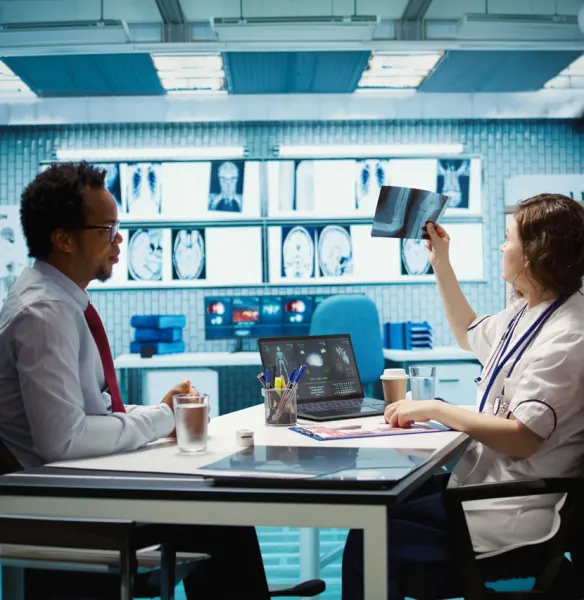
“AI can reliably handle pattern recognition tasks such as reading radiology scans, flagging abnormal lab values, and predicting risk scores. In radiology and pathology, algorithms already match or exceed average diagnostic accuracy for specific conditions. However, clinical judgment, ethical decision-making, empathy, and navigating uncertainty remain fundamentally human. Patients seek reassurance, trust and contextual advice, not only diagnoses.”
He added that the idea of a fully autonomous “AI doctor” is unrealistic. “An AI doctor as a fully autonomous caregiver is unrealistic. The future is collaborative with AI as an advanced clinical assistant rather than a replacement.”
Rather than futuristic standalone systems, Srivastava said the real impact comes when AI tools are integrated into daily medical workflows, improving consistency, reducing reporting time, and helping clinicians identify high-risk patients earlier.
In India, where healthcare access remains uneven, AI could also play a significant role in strengthening primary screening and telemedicine services, particularly in rural and underserved regions.
“Automated tools for tuberculosis, diabetic retinopathy, cervical cancer, and ECG analysis can empower frontline workers in rural settings. Decision support systems can guide non-specialist doctors when specialists are unavailable,” he said.
At the same time, Srivastava cautioned against hospitals adopting AI purely as a branding exercise. He emphasized that meaningful innovation must be supported by measurable outcomes such as improved diagnostic accuracy, lower complication rates, shorter hospital stays, and reduced mortality.
The discussion also extended to medical education, where he warned that overreliance on automated systems could weaken clinical reasoning if not handled carefully.
“The risk of overreliance is real. If doctors depend blindly on algorithmic outputs, clinical reasoning may weaken,” he said, adding that future physicians should be trained to understand how algorithms work and where they might fail.
Srivastava also highlighted the potential of telesurgery and robotic platforms to bridge the gap between urban specialists and patients in remote areas. His company has been involved in demonstrations of intercontinental telesurgery, a development he believes could expand advanced surgical care beyond major cities.
Looking ahead, he said success for AI in healthcare would mean technologies working quietly in the background, reducing diagnostic delays, preventing avoidable deaths, and expanding access without overshadowing the clinician.
“If AI becomes more about image than impact or automation without accountability, public trust could suffer lasting damage,” he cautioned.
Stay tuned for more such updates on Digital Health News
Follow us