IIIT-Delhi Researchers Develop GenAI Tool to Strengthen Cancer Research
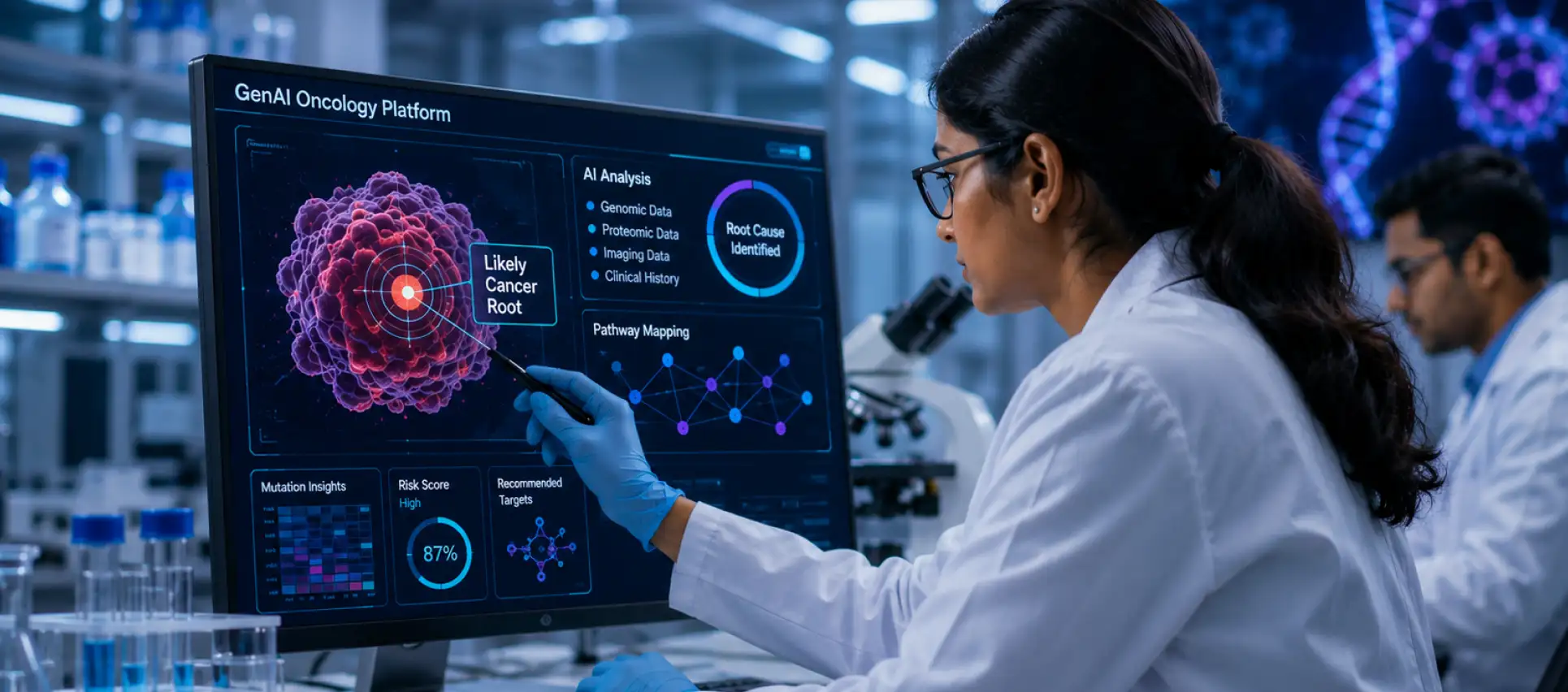
The platform, called MutAIverse, combines generative AI, computational modelling, and mass-spectrometry-based analysis to study DNA adducts and damage
Researchers at the Indraprastha Institute of Information Technology Delhi (IIIT-Delhi) have developed a generative artificial intelligence platform designed to analyse DNA damage and trace potential environmental or chemical exposures associated with cancer development.
The research was conducted with collaborators including the National Institute of Pharmaceutical Education and Research (NIPER), Guwahati, CSIR-Institute of Genomics and Integrative Biology (CSIR-IGIB), and the Dr Bhubaneswar Borooah Cancer Institute.
The platform, called MutAIverse, combines generative AI, computational modelling, and mass-spectrometry-based analysis to study DNA adducts, chemical modifications that can occur when reactive chemicals or their metabolites interact with DNA.
MutAIverse is intended to work backwards from molecular evidence found in a tumour.
The system takes mass spectrometry data from a tumour biopsy as an input and analyses molecular characteristics associated with DNA damage. It uses computational modelling and simulations to examine how toxic chemicals can break down within cells and potentially interact with DNA.
A key component of the platform, AdductLinker is designed to trace a detected DNA adduct backwards through predicted metabolic intermediates to a potential parent genotoxin.
According to the researchers, the system can generate a profile of potential exposures, including a confidence score, the structure of the identified DNA damage, and intermediate chemicals that may result from the breakdown of a toxin.
This approach is intended to provide researchers with a way to investigate possible relationships between chemical exposure, DNA damage, and potential cancer development.
Outlining the significance of the research tool, Gaurav Ahuja, Associate Professor at the Department of Computational Biology, IIIT-Delhi, said, “Upon finding damaged DNA in a cancer patient’s tumour, AdductLinker works backward like a detective tracing footprints, allowing us to pinpoint the exact environmental chemical, genotoxin, or carcinogen that originally caused the cancer.”
“MutAIverse basically allows you a platform where you can isolate the patient’s DNA samples, read the A-T-G-C, and even if there is a 0.1 per cent abnormality, it back-traces and identifies the exposure the patient had,” he said.
The researchers validated MutAIverse to DNA-adductomics data generated from tissue biopsies of patients with smokeless-tobacco-associated head and neck cancer.
The samples were collected in collaboration with Dr Bhubaneswar Borooah Cancer Institute in Guwahati, while DNA-adductomics analysis was conducted at NIPER Guwahati.
According to the researchers, MutAIverse expanded existing reference libraries from fewer than 400 entries to more than 300,000 potential DNA adducts.
Experts also noted that MutAIverse is currently better positioned as a research and computational tool rather than a clinical diagnostic system for hospital or community deployment.
Further, its findings are expected to complement genome sequencing and other analytical approaches as researchers work to understand how individual cancers develop.
Stay tuned for more such updates on Digital Health News
Follow us