ICMR Chief Highlights Use of Digital Technologies & Social Media in Rare Disease Detection
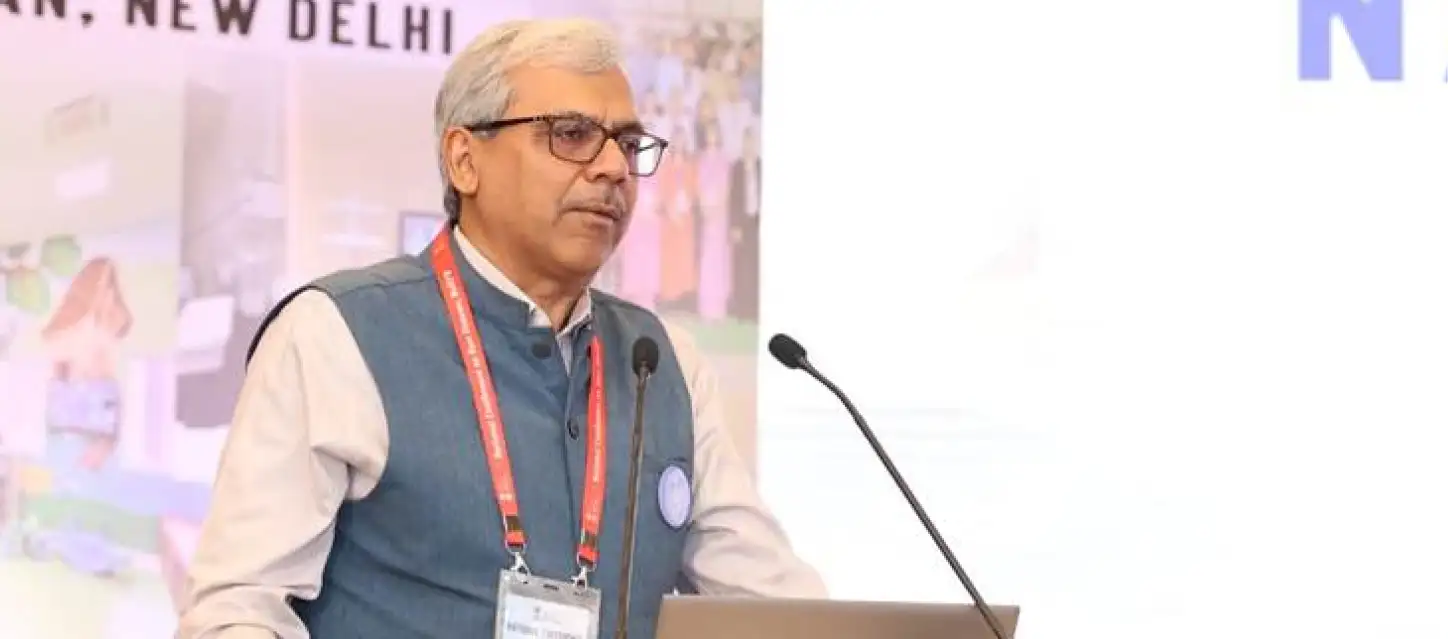
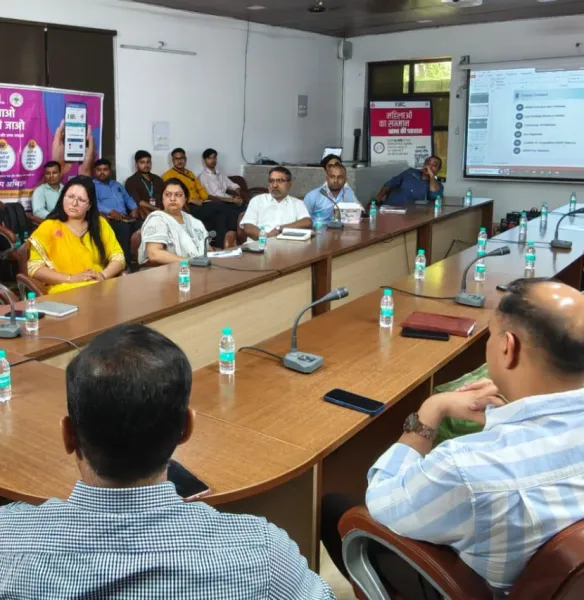
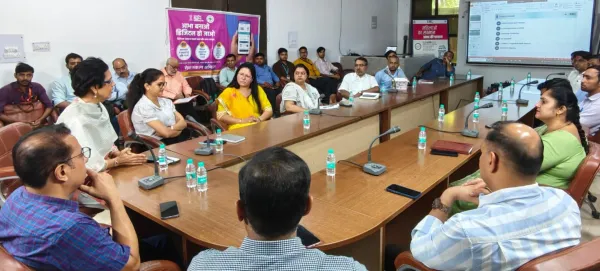
At a two-day national conference hosted by the Union Health Ministry, the Director General of the Indian Council of Medical Research (ICMR) asserted that India should develop independent strategies for the diagnosis, treatment, and prevention of rare diseases.
India should develop its own strategies for the diagnosis, treatment, and prevention of rare diseases, said Indian Council of Medical Research (ICMR) Director General Dr. Rajiv Bahl at a two-day national conference organised by the Union Health Ministry.
He called for reducing reliance on Western frameworks and adopting approaches better suited to the country’s needs.
“An India-specific model focusing on resource optimisation, indigenous innovation, and preventive strategies is needed to strengthen rare disease care in the country rather than relying solely on Western frameworks," said ICMR chief Dr. Rajiv Bahl.
He also highlighted the need for context-driven strategies, stating that approaches to rare disease management should be adapted to regional and situational requirements across India.
The ICMR Chief observed that despite the superior resources of developed nations, India can optimize its efforts by utilizing population-based approaches and preventive strategies. He further highlighted the integration of digital technologies ranging from social media to artificial intelligence as critical tools for scaling outreach and enhancing early detection capabilities.
Additionally, Dr Bahl advocated for a context-driven approach to managing rare diseases, emphasizing the need for strategies tailored to specific regional or situational requirements.
He also observed that despite the superior resources of developed nations, India can optimize its efforts by utilizing population-based approaches and preventive strategies. He further highlighted the integration of digital technologies ranging from social media to artificial intelligence as critical tools for scaling outreach and enhancing early detection capabilities.
Highlighting the progress over the past three decades, Dr. Bahl said, "In the 1990s, identifying a patient with a suspected rare disease often led to a sense of helplessness, as diagnosis was extremely difficult and treatment options were virtually unavailable."
"Today, while even financial support of Rs 50 lakh per patient may seem insufficient, given the high cost, it represents remarkable progress that the country is now able to meaningfully support children affected by rare diseases," he added.
India’s policy focus on rare diseases dates back to the National Health Policy (2017) and was later formalized through the National Policy for Rare Diseases (2021), which provides a structured framework for their management and treatment.
The ICMR Director General reported that the council is actively expanding the management tools for rare diseases by prioritizing the indigenization of therapies. This initiative involves collaborating with industry partners to foster the domestic production of affordable alternatives to expensive medications, supported by clinical evaluations conducted through established Centres of Excellence.
Stay tuned for more such updates on Digital Health News
Follow us