Hyderabad Student Builds AI Model for Early Lung Cancer Detection Using DNA Biomarkers

The study, titled “DNA Methylation Biomarkers for Lung Cancer Detection: An AI-Driven Approach Using EGFR, PD-L1, SHOX2, RASSF1A and PTGER4,” analysed more than 7,000 patient samples.
A Class XII student from Hyderabad, Ansh Kumar, has developed an artificial intelligence (AI)-assisted model aimed at improving early detection of lung cancer by using DNA methylation biomarkers combined with machine learning techniques.
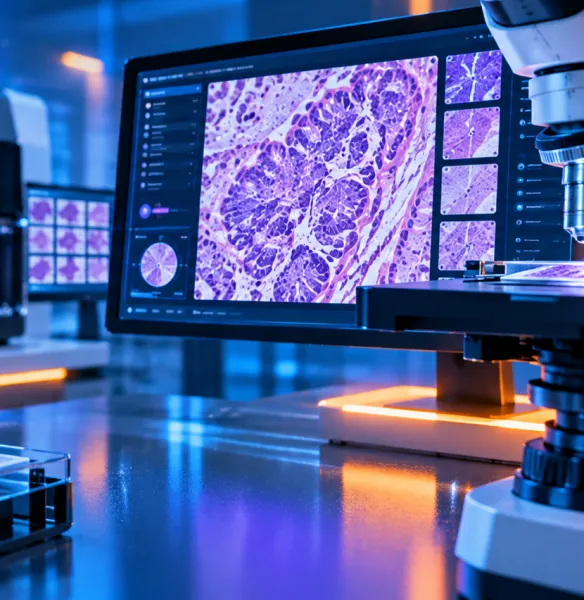
The study, titled “DNA Methylation Biomarkers for Lung Cancer Detection: An AI-Driven Approach Using EGFR, PD-L1, SHOX2, RASSF1A and PTGER4,” analysed more than 7,000 patient samples. It integrates multi-gene biomarker profiling with AI-based prediction systems to enhance non-invasive lung cancer screening accuracy.
The model has been developed in collaboration with researchers from the Indian Council of Medical Research (ICMR) and the YRI Fellowship, USA, a research mentorship programme focused on interdisciplinary scientific training.
According to the student, the AI system is designed to address limitations in current diagnostic methods such as CT scans, biopsies and cytology, which may detect cancers only after progression, miss early-stage cases, or involve invasive procedures and false positives.
He said DNA methylation changes often appear before tumours become visible, allowing the model to identify early molecular-level alterations. The system is designed to analyse multiple biomarkers simultaneously from samples such as blood plasma, sputum and bronchoalveolar lavage, aiming to improve sensitivity, specificity and early risk prediction.
Commenting on the approach, Muskan Modi, a researcher at the Microbiology Department of ICMR, noted that while biomarkers such as SHOX2 and RASSF1A show strong evidence, most AI-based diagnostic systems remain retrospective and limited in scale. She added that larger validation studies and reproducibility across populations are required before clinical deployment.
The research has been accepted at the second International Conference on Information, Implementation and Innovation in Technology (IEEE).
Dr Poornima Jogi from the YRI Fellowship, USA, stated that AI-based diagnostic pipelines can improve accessibility and consistency in medical decision-making but must undergo multi-centre trials and regulatory approval before integration into routine hospital workflows.
Stay tuned for more such updates on Digital Health News
Follow us