




Hyderabad Scientists Develop Device for Non-Invasive Diabetes Monitoring
The innovation comes amid growing concern over diabetes in India, which has over 101 million confirmed cases. This rising burden has increased the need for affordable, efficient, and less invasive diagnostic tools.
Researchers at the BITS-Pilani Hyderabad Campus have developed a dual-sensor device for non-invasive diabetes monitoring, marking a significant step forward in diabetes management and personalised healthcare.
The innovation comes amid growing concern over diabetes in India, which has over 101 million confirmed cases. This rising burden has increased the need for affordable, efficient, and less invasive diagnostic tools.
Addressing this challenge, the team developed the device at the MMNE (MEMS, Microfluidics and Nanoelectronics) Lab, focusing on improving both comfort and accuracy in monitoring.
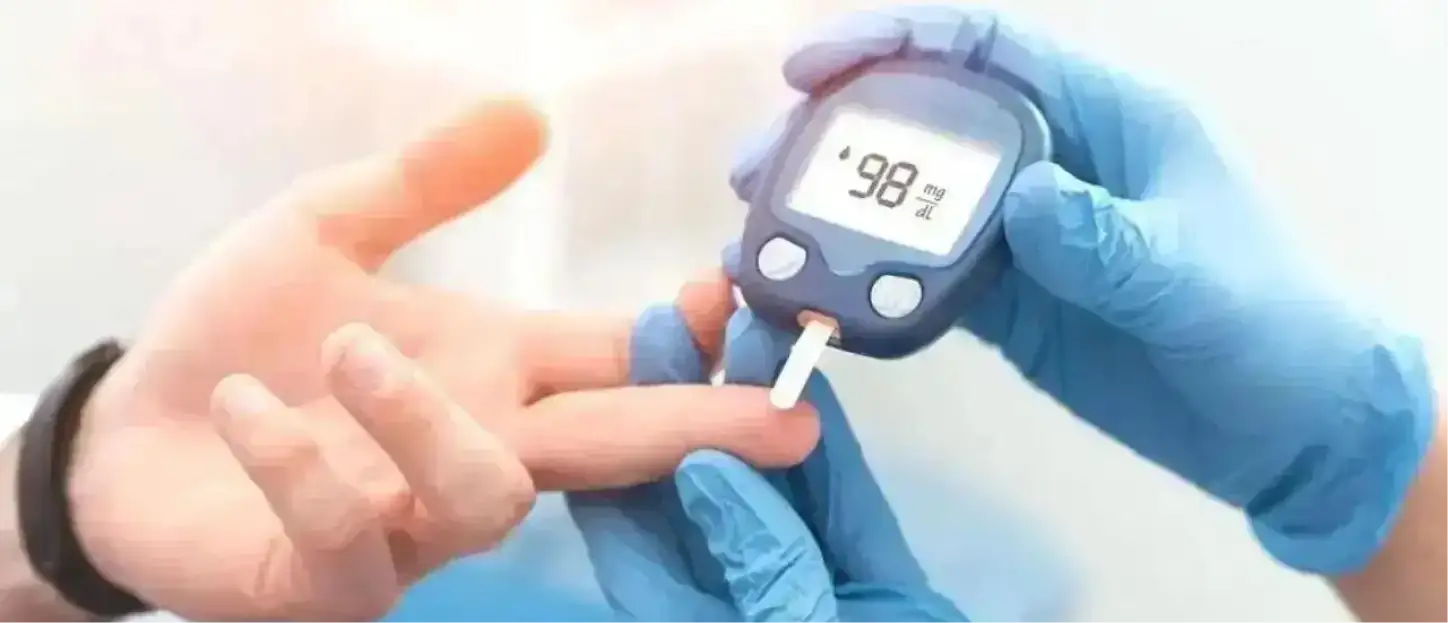
Unlike conventional glucometers that require finger-prick blood samples, the new device operates externally, eliminating the need for invasive procedures. It is designed to detect minute changes in insulin and dopamine levels with high precision, offering a broader understanding of metabolic activity compared to traditional glucose-only monitoring systems.
A key feature of the device is its material design. It uses titanium dioxide nanofibres coated on a carbon-cloth surface, which enhances conductivity and improves sensing performance. This enables the device to capture subtle biochemical signals more effectively, contributing to reliable readings.
The dual-sensor system combines two complementary sensing mechanisms to improve accuracy and overcome limitations seen in single-sensor devices. These sensors work alongside calibrated data-processing algorithms to provide real-time insights into a patient’s condition. The device is also portable, making it suitable for regular and continuous use.
The researchers developed this solution to address the need for non-invasive and user-friendly healthcare technologies, especially in high-burden regions like India. By reducing discomfort and simplifying monitoring, the device could encourage more consistent tracking of diabetes and support early intervention.
While further clinical testing is required before widespread use, the development highlights the growing role of academic research in advancing healthcare solutions. It also reflects a shift towards more efficient, non-invasive, and personalised approaches to managing chronic conditions like diabetes.
Stay tuned for more such updates on Digital Health News
Follow us