Health Ministry Expands QR Code-Based Drug Tracking to Vaccines, Antimicrobials, Cancer, & NDPS Drugs
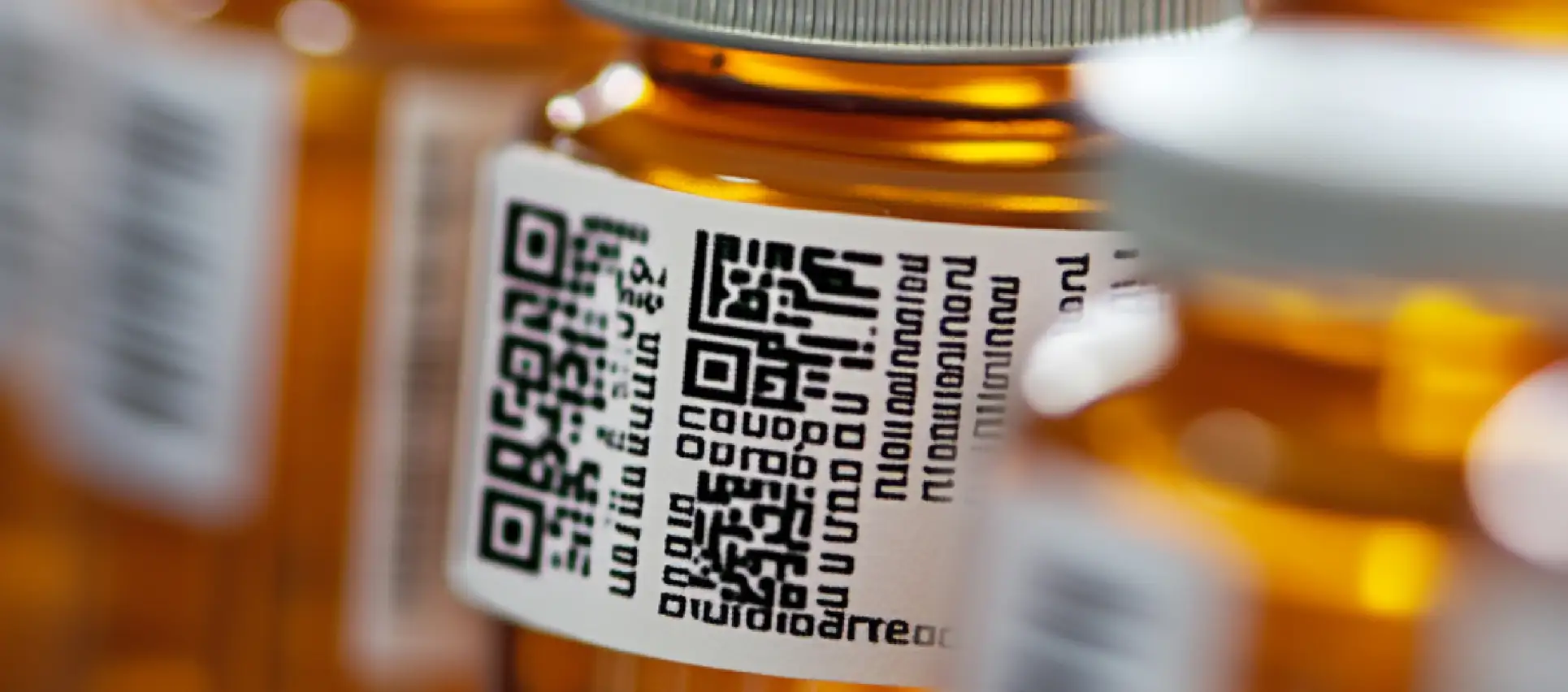
Previously, the QR code-based identification requirement applied to the country's top 300 pharmaceutical brands.
The Union Ministry of Health and Family Welfare has expanded India's QR code-based drug authentication framework by bringing additional categories of medicines under Schedule H2 of the Drugs Rules, 1945. The amendment mandates manufacturers to incorporate barcode or quick response (QR) codes on specified drug packages to improve traceability and verification across the pharmaceutical supply chain.
Under the revised provisions, all vaccines, antimicrobial drugs, anti-cancer medicines, and narcotic and psychiatric drugs covered under the Narcotic Drugs and Psychotropic Substances (NDPS) Act, 1985, have been included in Schedule H2. The amendment was notified through changes to the Drugs Rules, 1945.
Manufacturers of these products will be required to print or affix QR codes on the primary packaging label. Where space constraints exist, the code may be placed on the secondary packaging. The QR code will enable authentication and verification of medicines through software applications and digital platforms.
According to the ministry, the QR code will contain essential product information, including a unique product identification code, generic and brand names, manufacturer details, batch number, manufacturing and expiry dates, manufacturing license number, and, where applicable, details of accessories associated with the product.
The move significantly broadens the scope of India's existing track-and-trace mechanism. Previously, the QR code-based identification requirement applied to the country's top 300 pharmaceutical brands. The latest amendment extends the framework to entire categories of high-priority medicines that are vulnerable to counterfeiting and misuse.
The ministry said the expanded framework is expected to strengthen product verification throughout the supply chain and improve regulatory oversight. It is also aimed at supporting efforts to curb the circulation of spurious and substandard medicines in the market.
In the case of antimicrobial drugs, the measure is expected to contribute to efforts against antimicrobial resistance (AMR) by enabling improved identification and monitoring of counterfeit and poor-quality antibacterial products.
To allow manufacturers and other stakeholders sufficient time for implementation, the ministry has prescribed phased compliance timelines. The QR code requirement for vaccines, narcotic and psychiatric drugs, and anti-cancer medicines will take effect from July 1, 2027. Compliance requirements for antimicrobial drugs will come into force from July 1, 2028.
Stay tuned for more such updates on Digital Health News
Follow us