Greenway Health Launches AI-Enabled EHR-RCM Platform Novare at HIMSS26
The platform is designed specifically for ambulatory care settings and aims to unify clinical documentation, financial workflows, and patient engagement services within a single system.
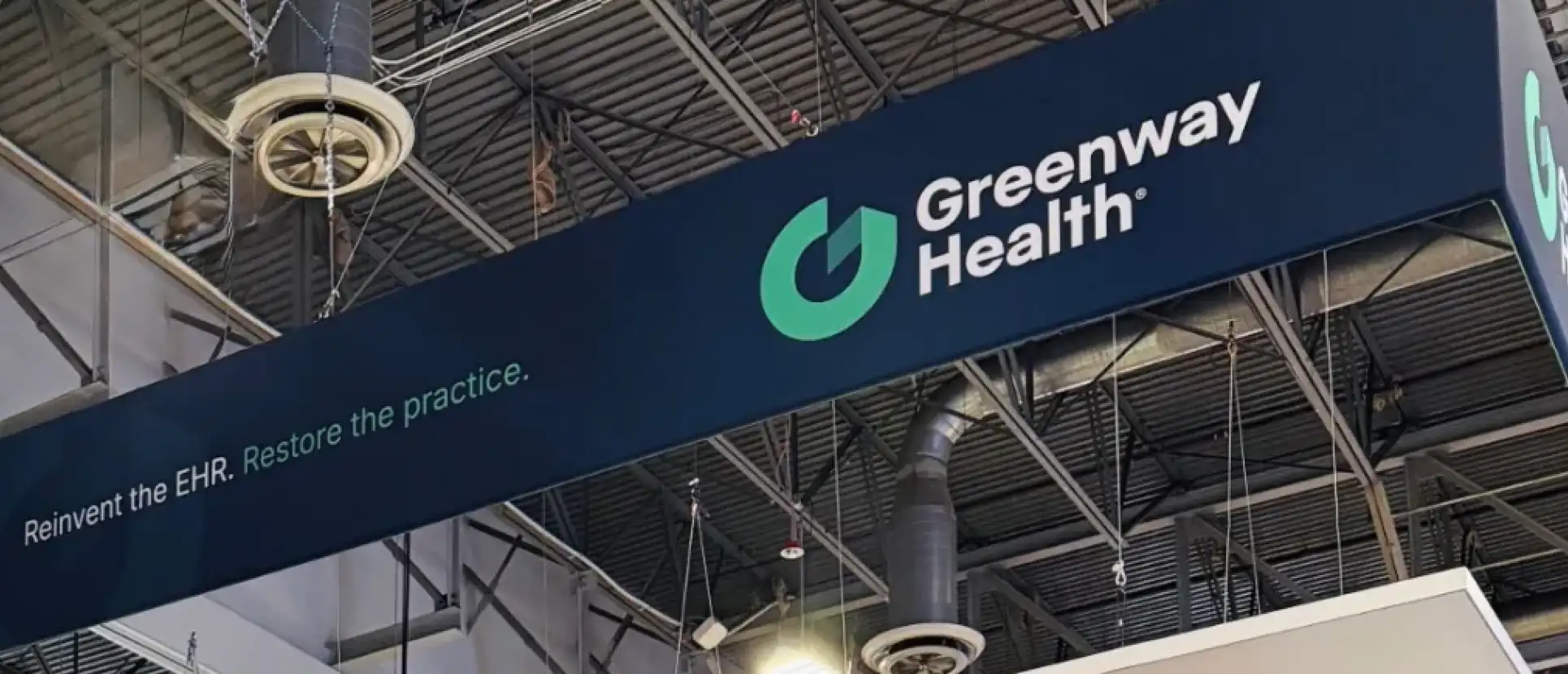
Greenway Health has introduced Novare, an integrated electronic health record (EHR) and revenue cycle management (RCM) platform powered by agentic artificial intelligence, at the 2026 HIMSS Global Health Conference & Exposition in Las Vegas.
The platform is designed specifically for ambulatory care settings and aims to unify clinical documentation, financial workflows, and patient engagement services within a single system.
According to the company, Novare includes capabilities such as ambient note-taking, instant patient summary views, voice-activated chart search, agentic task assistants, intelligent coding recommendations, automated prior authorization, and real-time benefit checks.
David Cohen, chief product and technology officer at Greenway Health, said the platform was developed to address fragmentation across clinical and administrative workflows. Instead of adding additional tools onto existing electronic health record systems, Novare was designed with AI embedded into the core architecture to operate across clinical, revenue cycle, and patient engagement functions.
“You can’t fix fragmentation by optimizing the fragments,” Cohen said. “Legacy EHRs were built to document care—not run it. Layering smarter tools on top of that foundation won’t change the experience. Novare starts over, rebuilding the foundation and leveraging purposeful AI-enabled to unify the practice and get work done during the visit.”
Greenway Health reported early results from a pilot deployment with HealthLinc, a practice with 10 providers, 15 staff members, annual revenue of $4.6 million, and approximately 46,000 to 48,000 patient encounters per year.
According to the company, the pilot indicated that Novare helped reduce administrative workload and improve operational efficiency. Reported outcomes included an estimated 14,000 hours saved annually in EHR interactions, the capacity to support approximately 6,000 additional patient visits per year, and potential revenue cycle improvements approaching $1 million through workflow optimization.
Dr. Lawrence Ramunno, chief medical officer at HealthLinc, said the platform has helped reduce time spent on documentation and administrative tasks.
“I am spending more time doing the work that made me fall in love with medicine,” Ramunno said. “This technology is two steps ahead of me. I find myself spending less time glued to the computer screen and more time connecting with my patients.”
Stay tuned for more such updates on Digital Health News
Follow us