Connected Health: How Technology Is Transforming Patient Care
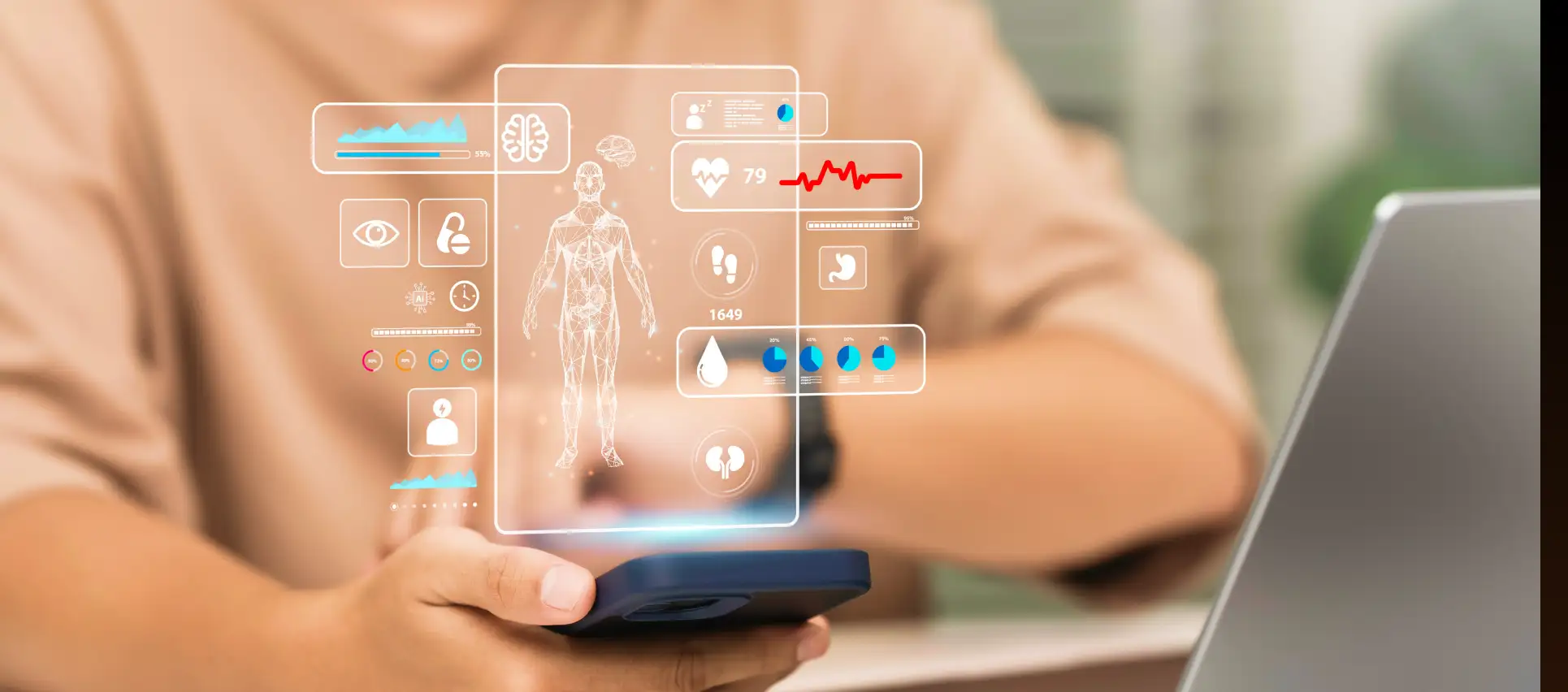
It enables seamless communication and data sharing across various touchpoints, hospitals, clinics, homes, and even mobile environments.
In today’s fast-evolving digital landscape, connected health has emerged as one of the most transformative trends in healthcare. By integrating technology, data, and communication, connected health enables patients, providers, and caregivers to collaborate more effectively, no matter where they are.
From wearable devices that track vital signs in real-time to telemedicine platforms that deliver care remotely, connected health is redefining how healthcare is delivered, managed, and experienced.
What Is Connected Health?
Connected health refers to a model of healthcare delivery that uses digital technologies to link patients with healthcare providers, devices, and information systems. It enables seamless communication and data sharing across various touchpoints, hospitals, clinics, homes, and even mobile environments.
In essence, connected health bridges the gap between patients and healthcare professionals through smart devices, cloud-based platforms, and data analytics. It includes technologies like:
- Telehealth and telemedicine
- Remote Patient Monitoring (RPM)
- Wearables and fitness trackers
- Mobile health (mHealth) applications
- Electronic Health Records (EHRs) and patient portals
The Core Components of Connected Health
1. Data Integration and Interoperability
Connected health depends on the ability to collect, integrate, and share data from multiple sources securely. Interoperable systems ensure that information flows seamlessly across platforms, helping doctors make faster and more informed decisions.
2. Remote Monitoring Devices
Smart wearables and connected medical devices track vital health parameters such as heart rate, glucose levels, oxygen saturation, and more. These devices enable continuous monitoring and early detection of potential issues before they become critical.
3. Telehealth and Virtual Consultations
Patients can connect with healthcare professionals from the comfort of their homes through video consultations and mobile health apps. This not only saves time but also improves access to care, especially for those in rural or underserved regions.
4. Artificial Intelligence (AI) and Predictive Analytics
AI-powered systems analyze large volumes of health data to predict potential health risks, suggest personalized treatment plans, and enhance clinical decision-making. Predictive analytics also help in managing population health and preventing disease outbreaks.
5. Patient Engagement Tools
Connected health empowers patients to take charge of their own health. Through mobile apps and online dashboards, they can track progress, receive medication reminders, and communicate with care teams directly.
Benefits of Connected Health
1. Enhanced Patient Care and Outcomes
With continuous monitoring and instant data sharing, doctors can respond to patient needs proactively. Early interventions help in reducing hospitalizations and improving overall health outcomes.
2. Greater Access to Healthcare
Connected health eliminates geographical barriers. Patients living in remote areas can receive quality medical advice, prescriptions, and follow-ups without needing to travel long distances.
3. Cost Efficiency
By reducing unnecessary hospital visits and enabling preventive care, connected health minimizes healthcare costs for both patients and providers.
4. Improved Chronic Disease Management
For patients with chronic conditions like diabetes, hypertension, or heart disease, connected health allows real-time tracking and consistent communication with care teams, ensuring better long-term management.
5. Data-Driven Decision Making
Healthcare providers can leverage real-time data and analytics to make evidence-based decisions, enhance care coordination, and improve population health outcomes.
Challenges in Implementing Connected Health
While the potential is enormous, the transition to a fully connected health ecosystem faces certain challenges:
- Data privacy and security concerns
- Interoperability issues between systems
- Regulatory compliance
- Digital literacy gaps among patients
- High implementation costs
To overcome these barriers, healthcare organizations must adopt strong cybersecurity measures, invest in interoperable systems, and promote digital health education among both patients and providers.
The Future of Connected Health
The future of connected health looks promising, with emerging technologies like 5G, blockchain, and advanced AI set to revolutionize the sector further. Imagine a world where your smartwatch alerts your doctor before a health crisis occurs, or where AI systems can predict epidemics through connected data networks.
As healthcare becomes increasingly personalized and data-driven, connected health will continue to play a pivotal role in improving accessibility, affordability, and patient experience.
Final Thoughts
Connected health represents the future of patient-centered care, where technology, data, and human touch come together to deliver smarter, more efficient, and more compassionate healthcare. For patients, it means empowerment. For providers, it means precision. And for the world, it means healthier communities connected by innovation
Stay tuned for more such updates on Digital Health News
Follow us