




Assam Launches RBSK 2.0 to Track Children’s Treatment Through Digital Health Records
The digital system will help health authorities monitor treatment outcomes and ensure that children remain connected to healthcare services after their initial screening.
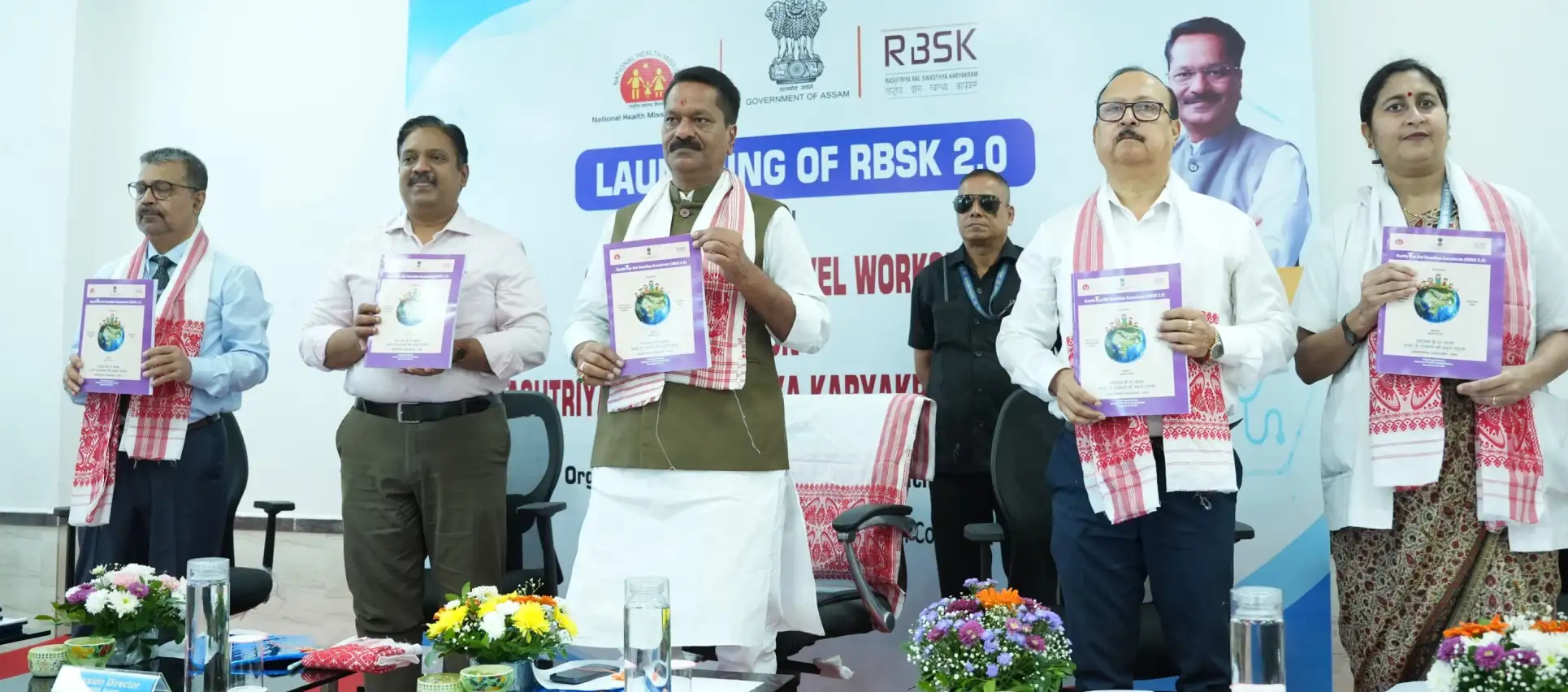
Assam has launched Rashtriya Bal Swasthya Karyakram (RBSK) 2.0, introducing digital health records to strengthen the tracking of children’s treatment from early detection to recovery.
The updated programme aims to improve referral follow-ups and expand early intervention for congenital conditions, developmental delays, nutritional deficiencies, and emerging health concerns.
Rashtriya Bal Swasthya Karyakram (RBSK), launched in 2013, is a government initiative that provides health screening and early intervention services for children. It traditionally focuses on the four Ds: defects at birth, diseases, deficiencies, and developmental delays.
Designated health teams conduct screening, visiting schools and Anganwadi centres, with children requiring further medical attention referred to healthcare facilities.
The introduction of digital health records under RBSK 2.0 is intended to address a key gap in this process: tracking whether children referred for treatment subsequently receive care and recover.
The digital system will help health authorities monitor treatment outcomes and ensure that children remain connected to healthcare services after their initial screening.
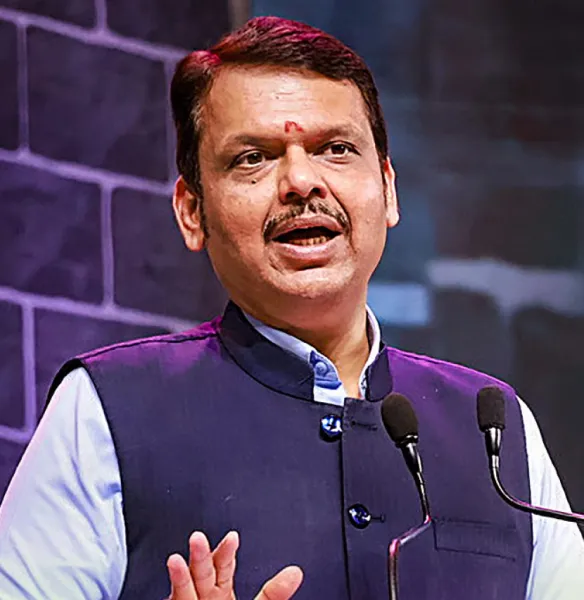
Launching RBSK 2.0, Assam Health Minister Ashok Singhal said, "Earlier, children were referred for treatment, but now we are introducing a digital system to maintain their health records. This will help us track whether children who receive treatment recover and become healthy."
Beyond the traditional screening priorities, RBSK 2.0 will place greater emphasis on mental health concerns and non-communicable diseases, including diabetes and hypertension.
The broader focus is intended to support timely intervention and help prevent complications among children identified as requiring medical attention.
The programme also seeks to strengthen health awareness in schools through school health clubs. These clubs are expected to promote physical activity, mental well-being, hygiene, nutrition and healthy lifestyle practices from an early age.
Singhal highlighted the need for coordinated participation from government departments, families, schools and the wider community to improve child health outcomes.
Strengthening school-based health awareness is expected to complement screening and referral services by encouraging healthier habits among children.
The launch was attended by National Health Mission Assam Mission Director Dr Lakshmanan S, Director of Medical Education Dr Manoj Kumar Choudhury, Pragjyotishpur Medical College and Hospital Principal Dr Basanta Kumar Baishya, and senior health department officials.
Stay tuned for more such updates on Digital Health News
Follow us