



Apollo Hospitals Launches AI-Assisted Stroke Care Programme in Hyderabad
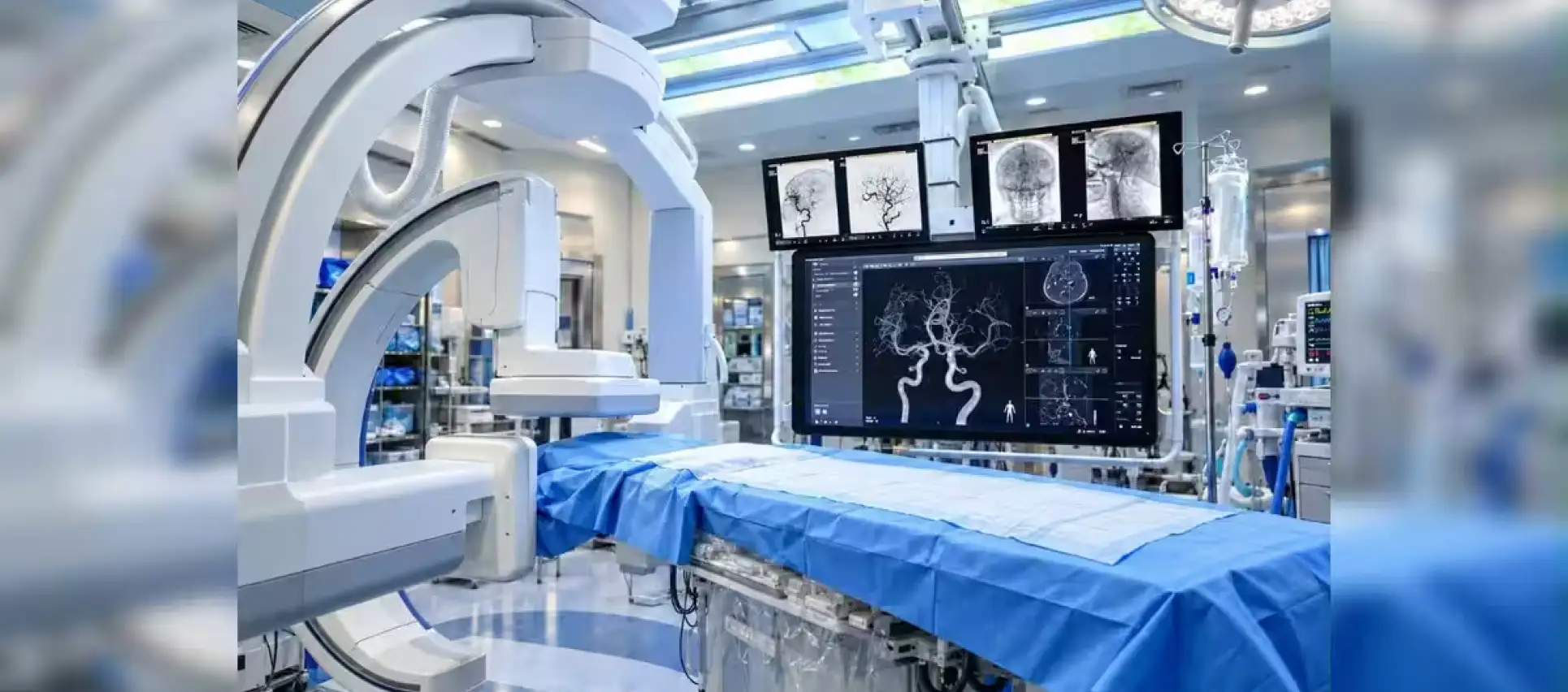
Announced on World Stroke Day, the programme focuses on timely diagnosis, emergency intervention, and continuity of care for stroke patients.
Apollo Hospitals has launched an AI-assisted stroke care programme to integrate emergency assessment, advanced neuro-intensive care, rehabilitation and home-based follow-up into a coordinated treatment pathway. Announced on World Stroke Day, the programme focuses on timely diagnosis, emergency intervention and continuity of care for stroke patients.
The 360-degree stroke care programme combines specialised clinical services and advanced infrastructure to support patients from initial assessment through recovery. It includes advanced neuro-ICU monitoring and MRI-integrated operating theatre capabilities, where applicable.
“The 360-degree stroke care programme integrates emergency assessment, advanced neuro-intensive care, rehabilitation and home-based follow-up to provide patients with a connected pathway to recovery,” said Dr. Suresh Girgani, Consultant Neurointerventional Radiologist at Apollo Hospitals.
The programme also incorporates emergency response and treatment services, including 5G-connected ambulances, rapid stroke assessment, thrombolysis and mechanical thrombectomy for eligible patients.
Dr. Sandeep Nayani, Consultant Neurologist at Apollo Hospitals, said selected patients may be eligible for mechanical thrombectomy up to 24 hours after symptom onset.
Thrombolysis uses medication to dissolve blood clots, while mechanical thrombectomy involves removing a clot from a blocked blood vessel. Both treatments are used in eligible cases of acute ischemic stroke, with treatment decisions depending on clinical assessment, imaging findings and the patient's condition.
The hospital highlighted the importance of recognizing stroke symptoms early and seeking immediate medical attention. Delays in diagnosis and treatment can affect outcomes, making rapid assessment and access to appropriate intervention critical.
Stroke symptoms can include sudden weakness or numbness, particularly on one side of the body, difficulty speaking or understanding speech, sudden vision problems, loss of balance and severe headache. Anyone experiencing potential stroke symptoms should seek emergency medical care immediately rather than wait for symptoms to subside.
Apollo Hospitals has urged the public to treat stroke as a medical emergency and contact its stroke emergency helpline at 1066 for assistance.
The programme brings together emergency transport, acute stroke treatment, neuro-intensive care, rehabilitation and follow-up services within a single care pathway. Its use of AI-assisted care is intended to support stroke management alongside specialist clinical assessment and intervention.
Stay tuned for more such updates on Digital Health News
Follow us