

Apollo Hospital’s Joint MD Sangita Reddy Calls Wearables Key to Advancing Preventive Healthcare in India
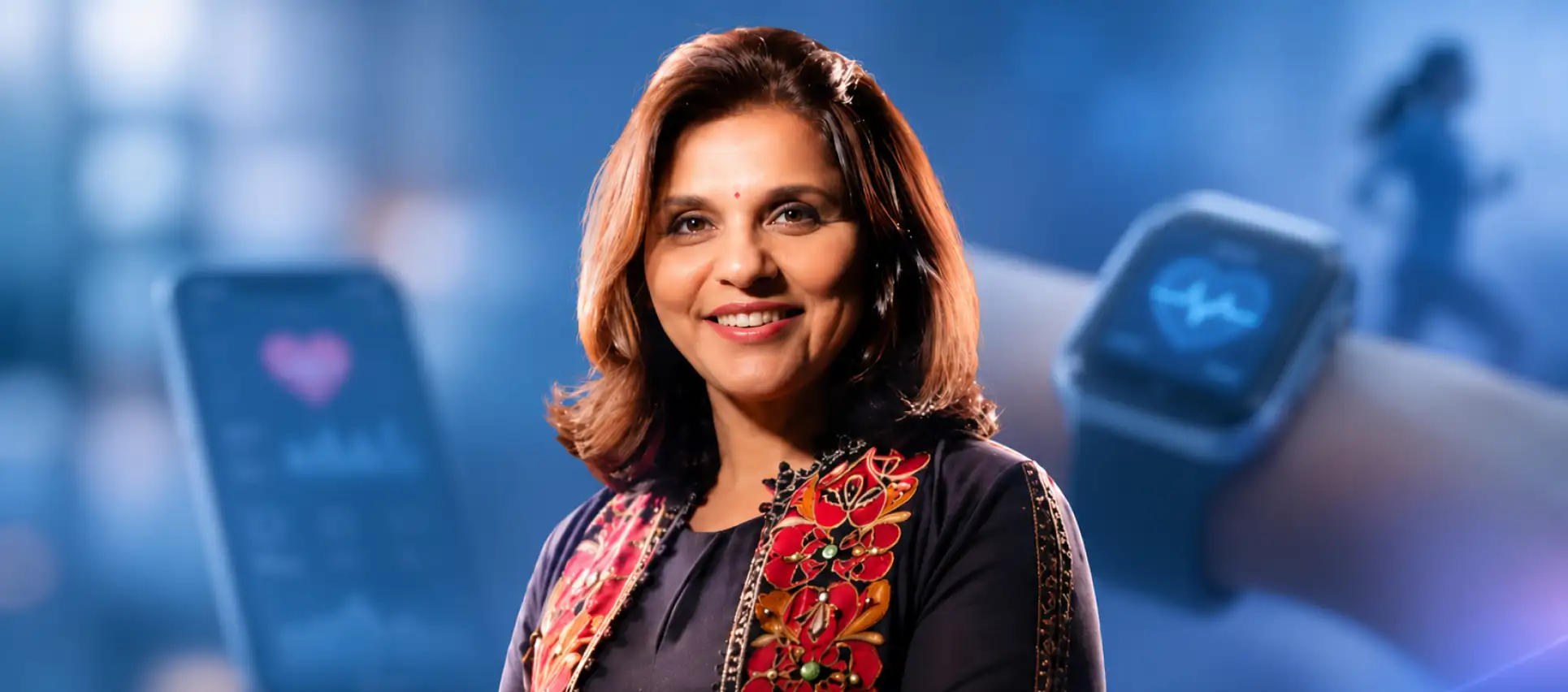
She identified India's digital connectivity, public healthcare infrastructure, and engineering capabilities as factors that could support wider adoption of wearable technology.
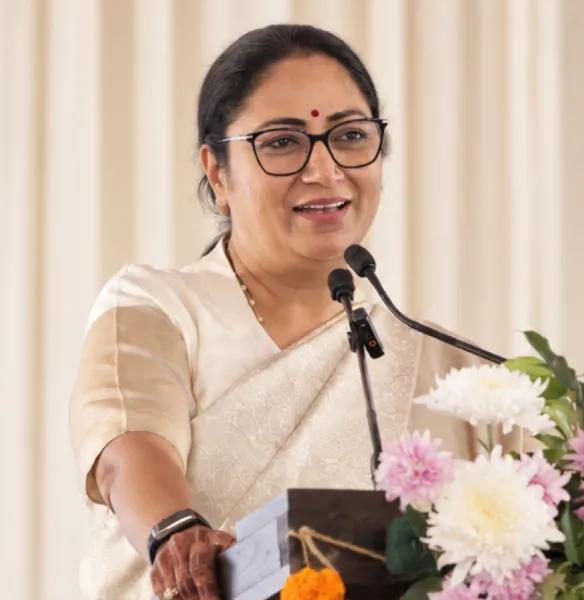
India is at an inflection point in preventive healthcare, with digital connectivity, engineering expertise, and wearable technology creating opportunities for earlier disease detection, according to Apollo Hospitals Joint Managing Director Sangita Reddy.
Sharing thoughts at a recent event, Reddy said advances in understanding how genetics and lifestyle influence disease have strengthened the case for identifying health risks before they develop into serious conditions.
Further, she noted that wearable devices can capture physiological signals over time, potentially helping healthcare professionals identify changes that require further clinical assessment.
"So I think we're at this inflection point where we've understood the science of why disease happens in many cases. We've understood that there is genetics, but there's also epigenetics related to lifestyle, and that the body is giving us signals. "We need to pick up these signals early, and therefore, the entire aspect of using wearables is going to enhance the clinical ecosystem, and enhance the health and wellness ecosystem towards prevention," Reddy said.
She identified India's digital connectivity, public healthcare infrastructure, and engineering capabilities as factors that could support wider adoption of wearable technology. She also highlighted the potential to develop AI algorithms and scale solutions across a large population.
"You have the engineering talent which can innovate and build more AI algorithms. And you have the knowledge that the world is moving in this direction, so we should ride the wave rather than being a passive recipient of the knowledge which is getting generated," Reddy said, adding that India has a large enough market to scale solutions and amortise the cost of development across a larger ecosystem.
However, she noted that no single device would necessarily meet every requirement. "The answer may not be Garmin alone; it may be multiple other devices, but we need to understand the space and perfect the space for our ecosystem," she said.
She added that wearable-derived insights could be particularly relevant for people living with cardiovascular diseases and hypertension.
The Apollo Hospitals and Garmin Health collaboration has extended this approach to rural healthcare through the 'Grameen by Garmin' initiative.
Under the programme, Garmin Health provided 100 smartwatches to residents of Aragonda village in Andhra Pradesh. Apollo is monitoring people with diabetes and hypertension to assess their health indicators over time and examine the potential impact of continuous tracking in a rural setting.
Garmin Health Global Sales Senior Director Jorn Watzke said the company had received interest from early collaborators, including Apollo Hospitals, and was looking to expand its presence in India across multiple industries.
Garmin Health, established in 2014, provides wearable technology, health data and integration capabilities for organisations working across healthcare, research, insurance, employee benefits, fitness and defence.
The partnership builds on earlier collaborations announced in 2024 and expanded in 2025. These initiatives have linked Garmin's wearable devices and health data capabilities with Apollo HealthAxis programmes, including Apollo ProHealth, which uses doctor-led assessments and AI-supported insights to help identify health risks and provide personalised wellness recommendations.
The rural initiative also aligns with Apollo's Total Health programme, which seeks to extend healthcare services to underserved communities.
The ongoing work aims to examine whether wearable-generated data, when combined with clinical expertise, can support chronic disease monitoring and preventive care beyond conventional hospital settings.
Stay tuned for more such updates on Digital Health News
Follow us