Andhra Govt Considers Drone Delivery of Medicines to Remote Health Centres
While drones have previously been used in the region for mosquito control, spraying disinfectants, and transporting food during floods, this would represent the first structured attempt to integrate drone logistics into the public health supply chain.
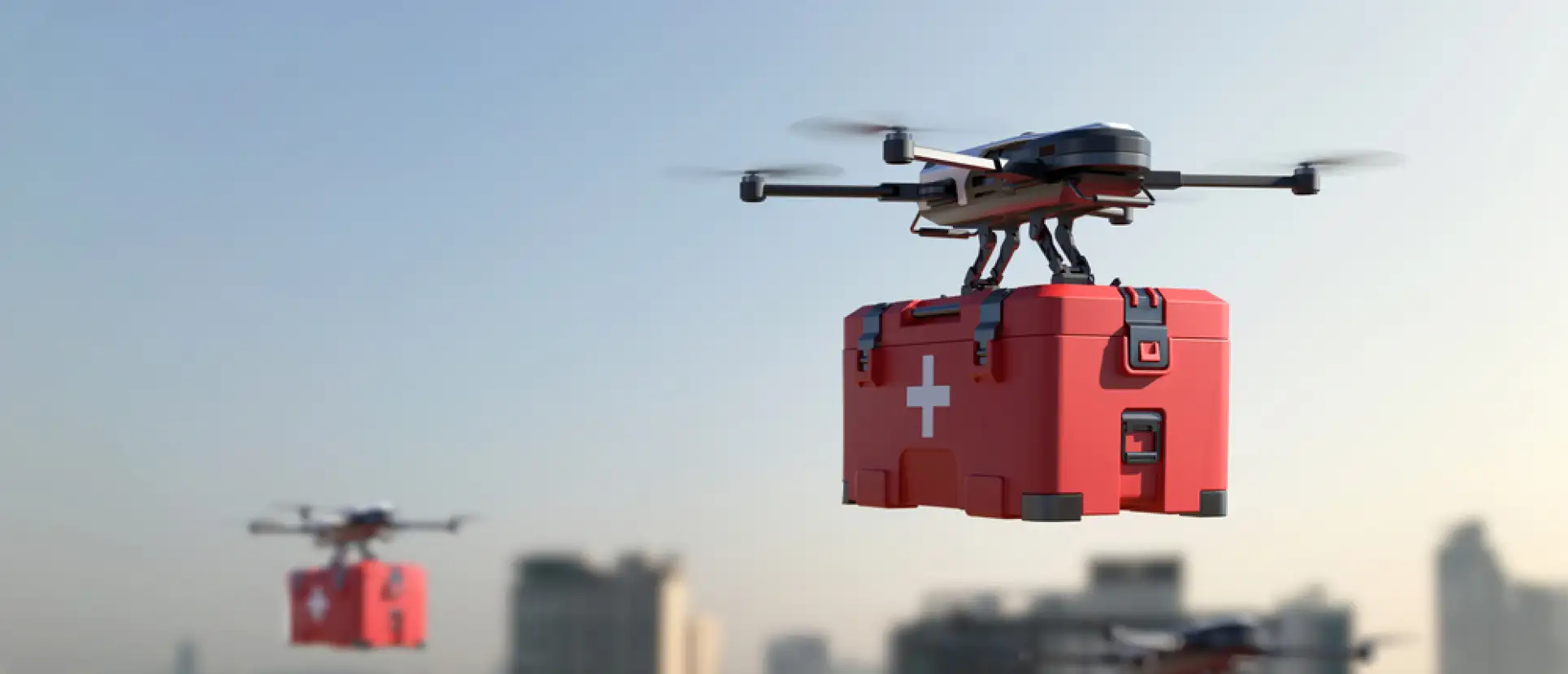
The Andhra Pradesh government has planned to utilise drones to deliver essential medicines and blood units across the remote Alluri Sitharamaraju district, with a pilot likely to commence soon.
Discussions are underway, the Department of Health, Medical Education and Family Welfare said, with an organisation already operating a similar drone service in Arunachal Pradesh.
The firm has offered to provide its drone delivery services free of cost for nine months under a ‘Proof of Concept’ arrangement, allowing the state to test whether unmanned delivery can improve access to care in hard-to-reach locations.
The existing system relies on a fleet of vehicles to transport medicines from Paderu to several health facilities scattered across the ASR district, most of which are located 60 to 80 kilometres away.
Now, the department is considering making Paderu a central command point for a small fleet of drones that can airlift medical supplies directly to Primary Health Centres, Community Health Centres, and Area Hospitals.
Each drone can transport up to 2 kg of medicines, blood units, or vaccines and is fitted with cooling technology suitable for temperature-sensitive items.
According to the proposed model, the drones returning from their supply runs could carry patient samples, such as blood, back to Paderu, ensuring a faster turnaround in diagnostics.
If permissions are granted, the department is also exploring the possibilities of deploying drones to transport medicines from King George Hospital in Visakhapatnam to Paderu.
While drones have previously been used in the region for mosquito control, spraying disinfectants, and transporting food during floods, this would represent the first structured attempt to integrate drone logistics into the public health supply chain.
Officials believe that this could cut delivery time significantly and would ease pressure on road-based transportation, especially for remote tribal areas where terrain and distance often delay urgent care.
The proposal now awaits final approval before commencing a pilot phase.
Stay tuned for more such updates on Digital Health News
Follow us