5 ways minimally invasive diagnostics are changing lives beyond India’s metros

5 ways minimally invasive diagnostics are changing lives beyond India’s metros

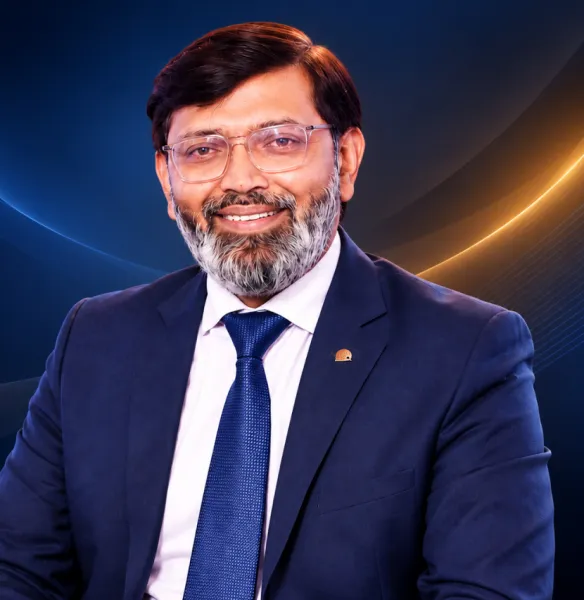
Dheeraj Chaudhri, Head of Endoscopy Systems Division, FUJIFILM India

India has made remarkable strides in expanding primary healthcare access in recent years, particularly in rural and tier-2/tier-3 regions. Initiatives like Health & Wellness Centres (HWCs) and the Ayushman Bharat program have improved access to basic care and raised awareness around preventive healthcare. However, despite these advancements, the growing burden of non-communicable diseases (NCDs) poses a significant challenge to the nation’s health infrastructure. As chronic diseases such as cancer and pancreatic or biliary disorders continue to rise, early action is crucial to preventing long-term complications and improving patient outcomes.

One area of growing concern is gastrointestinal (GI) disorders, ranging from GERD and IBD to colorectal cancers. The burden is significant: conditions like GERD affect a large number of India’s adult population, and the incidence of colon cancer is steadily rising. Sedentary lifestyles, stress, poor dietary choices, and late diagnoses are all contributing factors. This makes routine screening a critical public health priority. Yet, conventional diagnostic procedures like endoscopy are often underutilized due to access, awareness, and procedural intimidation issues.

In this context, Minimally Invasive Diagnostics (MID), particularly flexible endoscopy techniques, are emerging as powerful tools to bridge the gap between urban healthcare advancements and rural healthcare realities. With their ability to simplify procedures, reduce discomfort, and enable quick turnaround, MIDs are helping India’s health system move from reactive treatment to proactive screening and early intervention.

India’s Diagnostics Divide in GI Healthcare

While India’s healthcare infrastructure has evolved, rural and semi-urban areas still struggle with a lack of facilities, awareness, and skilled specialists, leading to missed or delayed diagnoses. Conditions like colorectal cancer, ulcers, and GI inflammations often remain undetected until they progress to advanced stages. Despite government programs like the NPCDCS and HWCs promoting early detection, uptake of routine GI screening remains inconsistent. Conventional endoscopy methods, while highly effective, are perceived as invasive and uncomfortable, requiring hospital setups and specialist availability.

The 5 Ways Minimally Invasive Endoscopy Is Reshaping Access

1. Enhancing Patient Acceptability

Minimally invasive endoscopic tools such as flexible video colonoscopes or capsule endoscopy offer shorter procedures, often without the need for sedation or hospitalization. These innovations reduce fear and discomfort, especially among first-time patients. Their non-intimidating nature encourages greater participation in routine screenings, even in communities unfamiliar with formal healthcare.

2. Supporting Decentralized Clinical Decision-Making

Newer endoscopic technologies are being adapted for district hospitals, mobile screening units, and outreach centers. Lightweight, user-friendly systems make it possible for trained paramedical staff to conduct basic diagnostics, which can be reviewed remotely by specialists. This decentralized approach brings timely decisions to the patient’s doorstep, especially in the early detection of GI cancers or polyps.

3. Enabling Early Detection Through Routine Screening

Flexible endoscopy is a cornerstone of GI disease management, especially for early detection of precancerous lesions, ulcers, or tumors. With the ability to visually examine and even remove polyps during the same procedure, it not only diagnoses but also prevents progression to malignancy. Early detection through regular screening lowers the need for aggressive treatment, reducing long-term costs and complications.

4. Reducing Operational Burden on Healthcare Systems

Shorter procedure times, fewer consumables, and quick patient recovery reduce the burden on already stretched facilities. These diagnostics cut down on referral loops, allow better scheduling, and reduce hospital stays, making healthcare delivery more efficient. When used in high-demand public centers, they can also help manage backlogs and improve patient throughput.

5. Building Trust in Preventive Healthcare

When patients experience efficient, respectful, and low-discomfort diagnostics, they are more likely to return for regular checkups. Minimally invasive diagnostics offered in local health setups or community drives can normalize proactive healthcare-seeking behavior, fostering a culture of prevention. Especially in GI care, this behavioral shift is essential for reducing late-stage presentations.

Conclusion

Minimally invasive endoscopy represents more than a technological upgrade, it’s a strategic enabler of early diagnosis, better patient engagement, and stronger public health outcomes. As GI disorders rise due to changing lifestyles and poor nutritional habits, adopting flexible endoscopy in community screening and surveillance programs becomes vital.

By eliminating procedural fear, reducing operational complexity, and facilitating early interventions, minimally invasive diagnostics can play a pivotal role in achieving India’s goal of universal health coverage and early detection. The future of healthcare lies in equitable access, and minimally invasive diagnostics are helping light the way, one procedure at a time.

Stay tuned for more such updates on Digital Health News

Follow us

More Articles By This Author


Show All

Sign In / Sign up