Uttar Pradesh Gov Applies AI across Public Healthcare Systems
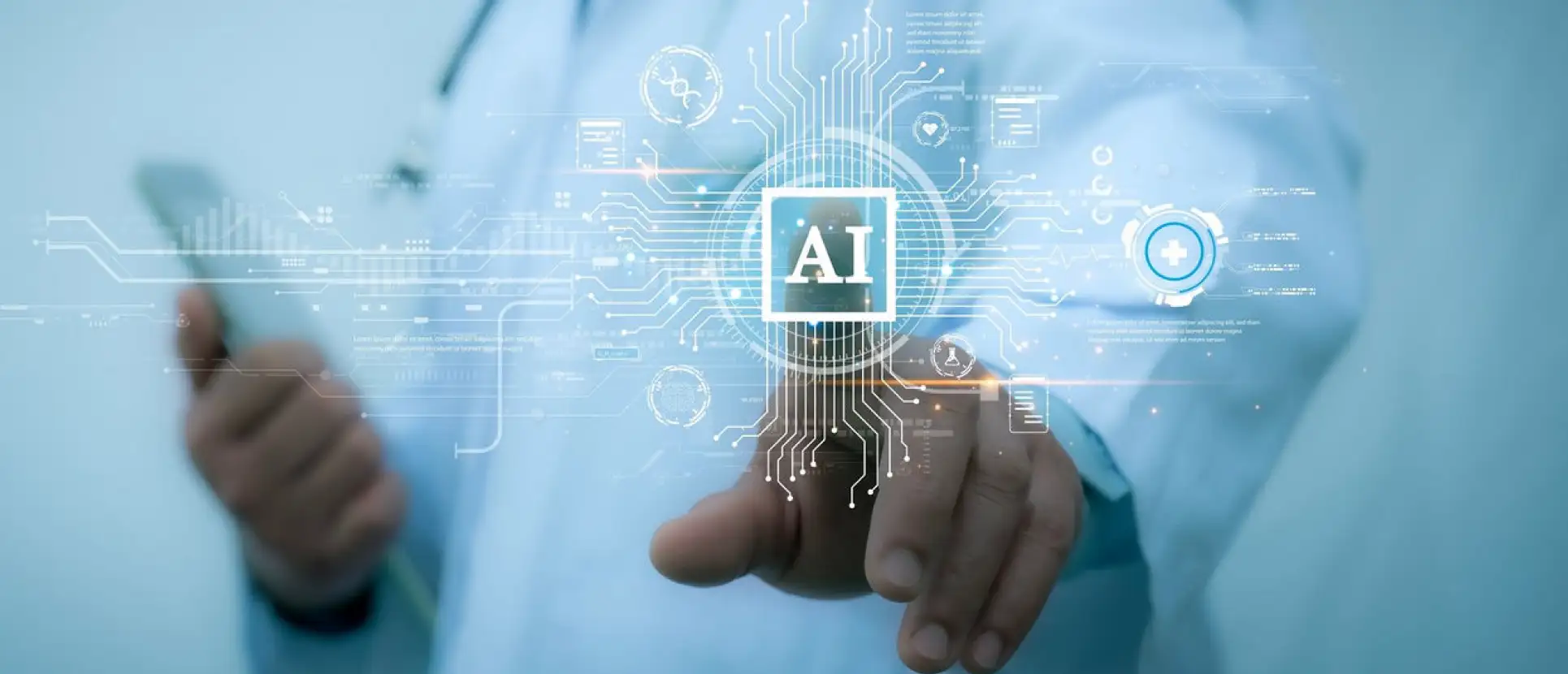
The current AI-focused initiatives build on this base and align with the national India AI Mission, which promotes the use of artificial intelligence in priority sectors such as healthcare.
Uttar Pradesh has implemented artificial intelligence across multiple layers of its public healthcare system, including clinical services, logistics, and public health monitoring, as part of a large-scale digital health transformation.
With a population of more than 240 million, the state has moved beyond limited digital pilots to embed AI into routine healthcare operations, making it one of the most extensive government-led deployments of AI in health services in India.
This shift follows several years of expansion in healthcare infrastructure, including new medical colleges, upgraded hospitals, and wider use of digital health platforms. These developments have addressed gaps in service availability and workforce capacity across districts.
The current AI-focused initiatives build on this base and align with the national India AI Mission, which promotes the use of artificial intelligence in priority sectors such as healthcare through strengthened data infrastructure and domestic capabilities.
Recently, the state government announced the Uttar Pradesh AI Mission, outlining plans to invest around INR 2,000 Cr to integrate AI tools across healthcare systems.
Officials indicated that the programme is intended to support diagnostics, telemedicine, health programme monitoring, and administrative efficiency, while also contributing inputs to India’s broader AI governance framework.
One of the central initiatives under this approach is India’s first government hospital-based AI Clinic, located at the Government Institute of Medical Sciences in Greater Noida. Operating through the GIMS Centre for Medical Innovation, the clinic allows AI developers to test and validate diagnostic tools in real clinical settings.
These tools are being applied primarily in radiology, pathology, and laboratory analysis, where automation and pattern recognition are used to support clinicians and reduce reporting timelines in public hospitals.
Moreover, in collaboration with IIT Kanpur, the state health department is deploying AI-enabled telehealth hubs, point-of-care diagnostic tools, and population health analytics. These systems support remote consultations and aim to reduce variability in diagnosis while extending specialist services to districts with limited medical resources. A digital AYUSH platform is also under development to support online consultations for traditional medicine systems.
Beyond patient-facing services, AI is being applied to public health surveillance and supply chain management. AI-linked systems under the Integrated Disease Surveillance Programme analyse data from reporting units to detect early signs of disease outbreaks, allowing health authorities to respond more quickly.
The Uttar Pradesh Medical Supplies Corporation has incorporated data analytics into its procurement and inventory systems, managing drug and equipment supply across 75 districts and over 30,000 facilities.
Research and innovation form another component of the state’s healthcare strategy. Chief Minister Yogi Adityanath announced the launch of UP-IMRAS, an integrated medical research application system designed to streamline clinical trials for pharmaceutical products and medical devices.
He said, “Our goal is to make Uttar Pradesh not only the healthcare capital of India but also a trusted partner in global health innovation.”
To support adoption, training programmes on AI applications, ethics, and patient safety are being offered to doctors through online courses, aligning with national skill development targets.
Stay tuned for more such updates on Digital Health News
Follow us