Delhi to Antarctica: AIIMS Doctors Redefine ‘Remote’ Care Using Telerobotic Ultrasound
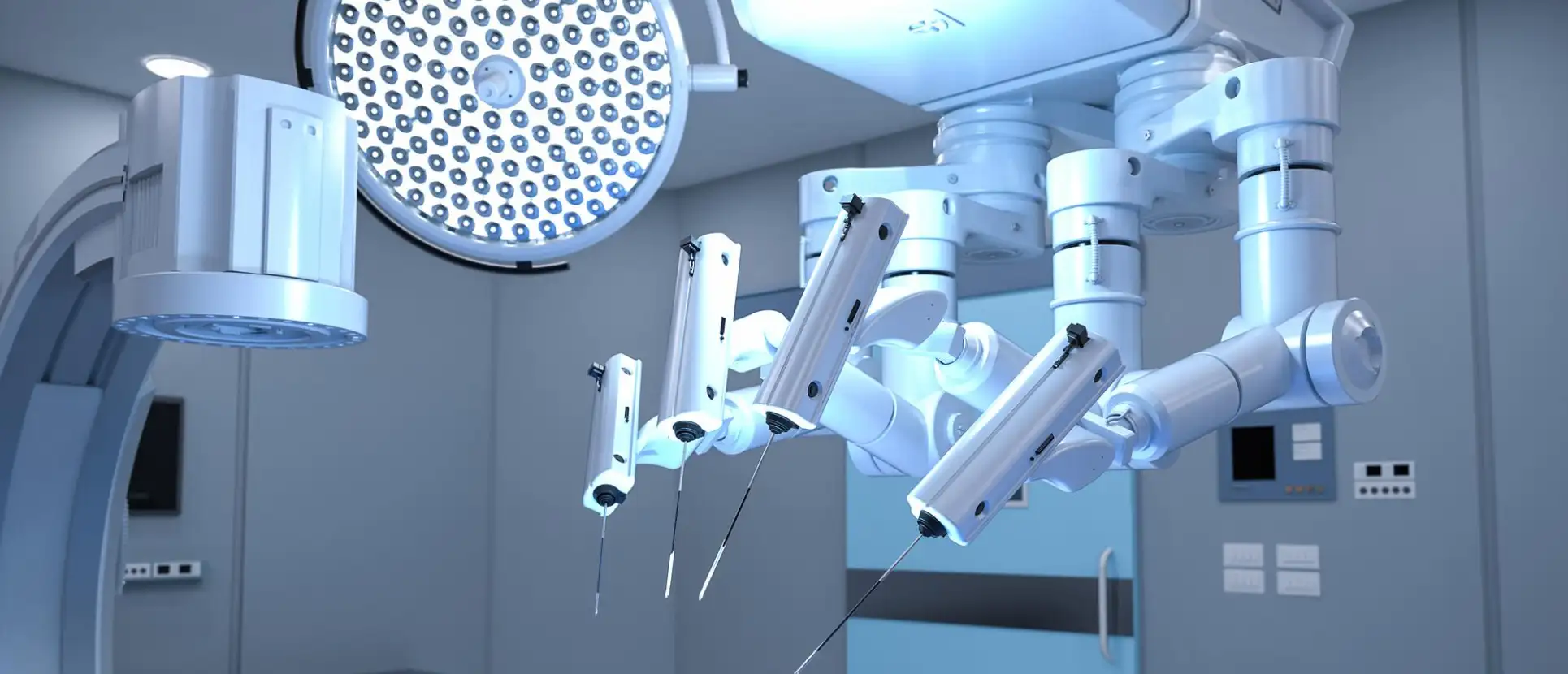
Using a telerobotic ultrasound system, doctors in Delhi remotely manoeuvred an ultrasound probe mounted on a robotic arm at India’s Antarctic research station, receiving live diagnostic images.
Doctors at AIIMS New Delhi have examined patients stationed in Antarctica by remotely controlling a robotic ultrasound system, marking a significant step in redefining what “remote healthcare” can mean through advanced telerobot-enabled medical technology.
Using a telerobotic ultrasound system, doctors in Delhi remotely manoeuvred an ultrasound probe mounted on a robotic arm at India’s Antarctic research station, receiving live diagnostic images.
According to officials involved, the image quality was sufficient for clinical decision-making despite the vast geographical separation and challenging environmental conditions.
Medical care in Antarctica presents unique challenges. Expedition members work in extreme cold, prolonged isolation and with minimal medical infrastructure. When emergencies arise, such as trauma, acute abdominal pain or cardiac symptoms, doctors must quickly decide whether a patient can be treated locally or requires evacuation.
The telerobotic system has already undergone multiple trials, during which doctors successfully conducted abdominal ultrasounds, trauma assessments, cardiac imaging, Doppler studies and neck scans.
Prof (Dr) Chandrashekhara SH of AIIMS said the technology is currently in testing mode but holds strong promise for expanding access to expert diagnostics in remote and underserved regions.
“The technology is currently in testing mode, but has strong potential for use in remote and underserved areas,” Prof Chandrashekhara SH said, adding that plans are in place to expand its applications in the future.
The system was jointly developed by AIIMS New Delhi and IIT Delhi, with support from the I-Hub Foundation for Cobotics (IHFC), the National Centre for Polar and Ocean Research (NCPOR), and Rajiv Gandhi Super Speciality Hospital.
It was first co-developed by AIIMS and IIT Delhi in 2022 and has since been refined for robustness and precision.
Dr Subir Kumar Saha, IIT professor and IHFC project director, played a key role in developing and refining the robotic platform to ensure reliable remote operation in extreme environments. The installation and technical groundwork were led by young researchers Udayan Banerjee and Siddharth Gupta, whose efforts helped translate the concept into a functional system.
The idea of deploying telerobotic ultrasound in Antarctica was envisioned by Dr Vikas Dogra from Rajiv Gandhi Super Speciality Hospital, who has long been associated with the Indian Antarctic Programme.
Drawing on his first-hand experience of medical challenges in polar regions, he saw telerobot-enabled diagnostics as a practical solution for improving decision-making during medical emergencies.
Beyond Antarctica, doctors involved said the telerobotic system could be deployed in disaster-hit areas, high-altitude regions, offshore installations and remote rural parts of India. By enabling specialists to guide diagnostics from afar, telerobot-based healthcare platforms could reduce delays, support frontline medical teams and potentially save lives where access to expertise is limited.
Stay tuned for more such updates on Digital Health News
Follow us