India-US Trade Deal Seen as Inflection Point for Pharma & MedTech Exports
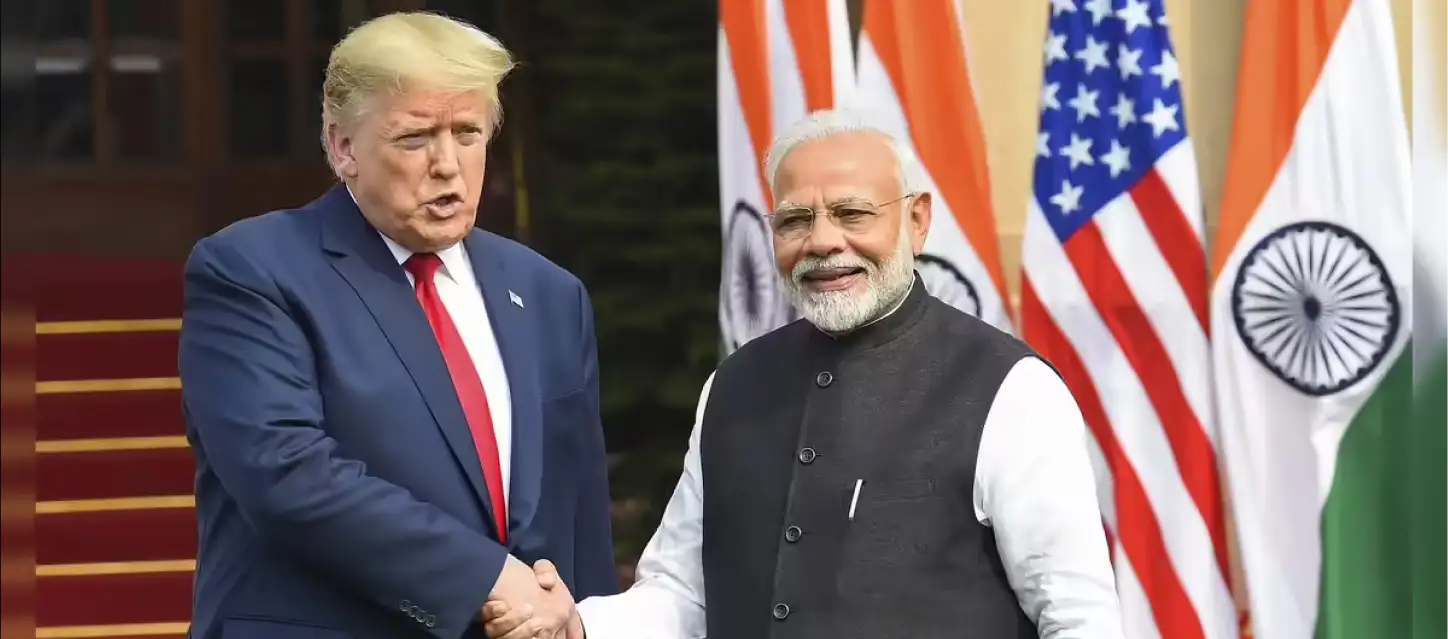
India has secured a major trade reprieve from the United States, with tariffs on Indian exports reduced to 18% from earlier levels that went as high as 50%
The newly announced India-US trade deal has been widely welcomed by the pharmaceutical and medical technology industries, with experts calling it a potential game-changer that could improve export competitiveness, accelerate China+1 diversification, and strengthen India’s role in global healthcare supply chains.
India has secured a major trade reprieve from the United States, with tariffs on Indian exports reduced to 18% from earlier levels that went as high as 50%, a move that industry stakeholders believe will materially improve prospects for pharmaceutical and medtech exports into the world’s largest healthcare market. The agreement has been described as timely relief for exporters navigating price pressure, regulatory complexity, and intensifying global competition.
While some elements of the agreement, including reciprocal tariff cuts by India and claims around future oil purchases, remain unconfirmed, the reduction in US tariffs alone is being seen as a meaningful structural shift.
The United States is India’s largest export destination, accounting for roughly 20% of total exports, and for pharmaceuticals alone, it contributes an estimated 30% to 40% of sector revenues. For Indian drugmakers, particularly those focused on generics and biosimilars, the agreement offers incremental pricing headroom in a market that has been under sustained pressure from competition and erosion.
“The India-US trade agreement represents a pivotal moment for the pharmaceutical sector, with key highlights including the reduction of tariffs on Indian goods exports,” said Namit Joshi, Chairman, Pharmexcil.
“The reduction in reciprocal taxes is incrementally positive for Indian pharmaceutical companies, particularly those with significant exposure to the US market, which accounts for 30-40 per cent of the sector's total revenue,” he added.
Joshi said the agreement strengthens India’s leadership in affordable medicines and improves access for Indian generics and biosimilars, while also creating opportunities for export growth through lower landed costs and more predictable trade conditions. Industry analysts believe this added stability could help companies plan US expansion strategies with greater confidence.
Medical device manufacturers have also welcomed the development, arguing that the revised tariff structure materially alters the competitive landscape. Industry body Association of Indian Medical Devices (AiMeD) said the move could unlock fresh investment and manufacturing momentum.
“The US tariff slash from 50 per cent to 18 per cent is a game-changer for Indian medical devices, slashing export costs and unlocking billions in US market potential amid China+1 shifts,” said Rajiv Nath, Forum Coordinator, AiMeD.
“We urge sustained India-US regulatory harmonisation to capitalise fully on this opportunity for ‘Make in India’ MedTech success,” he added.
Rajiv pointed out that Indian medical devices now enjoy a relative advantage over Chinese competitors, many of whom continue to face higher Section 301 tariffs, typically at 25% and rising to as much as 50-60% for certain products such as respirators. Earlier, Indian exporters were often at a disadvantage, facing duties as high as 50% compared to lower Chinese rates.
The agreement is also being interpreted through the lens of the China+1 strategy, which encourages global companies to diversify supply chains away from China. Finance Minister Nirmala Sitharaman said the deal is expected to accelerate this shift and improve India’s standing as an alternative manufacturing hub.
“The agreement is very welcome and will be a big relief to our exporters,” Sitharaman said, adding that India now stands at an advantage compared to competing manufacturing destinations. She also linked the deal to potential improvements in capital inflows at a time when global investors have turned cautious.
Beyond pharmaceuticals and medtech, speciality chemical manufacturers supplying inputs to drug production have described the tariff cut as a reset that restores global cost competitiveness. Some exporters believe the immediate reduction in landed costs could help Indian firms capture market share from China while improving margins on long-term contracts.
Stay tuned for more such updates on Digital Health News
Follow us