AFMS, with ISRO Support, Extends Specialist Medical Care to India’s Remote Military Borders
This will allow medical officers at forward locations to directly consult specialists located in major military hospitals across the country.
AFMS has rolled out a satellite-enabled telemedicine network with ISRO support, allowing doctors at remote border posts to consult specialists at major military hospitals and ensuring uninterrupted medical care for soldiers in extreme terrains.
The initiative forms part of the armed forces’ adoption of the Ayushman Bharat Digital Mission and reflects a broader effort to modernise military healthcare delivery. Soldiers deployed in high-altitude areas, deserts and snowbound regions have traditionally faced delays in accessing specialist care due to distance and connectivity constraints, challenges that the new digital system is designed to address.
To overcome these limitations, AFMS has established satellite-based telemedicine nodes using ISRO’s space infrastructure. These nodes allow medical officers at forward locations to directly consult specialists located in major military hospitals across the country.
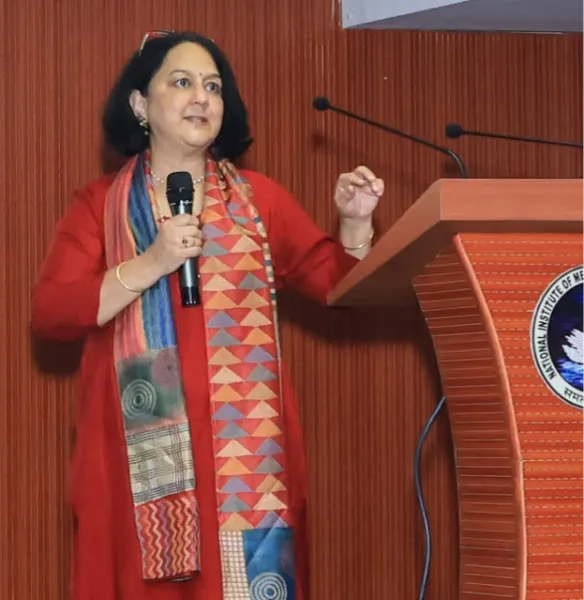
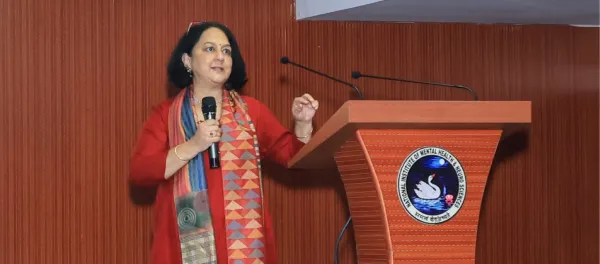
Director General AFMS Vice Admiral Arti Sarin highlighted the importance of moving toward a unified system, saying, “Until now, medical records and systems of the Army, Navy and Air Force functioned separately. We are now developing a single Health Information Management System for all three services. This will ensure that a soldier’s health records remain accessible even after transfers, allowing continuity in treatment.”
The unified platform is expected to improve efficiency, reduce duplication and support data-driven care across services. AFMS is also exploring the use of artificial intelligence to strengthen diagnostics, streamline workflows and support clinical decision-making within the military health system.
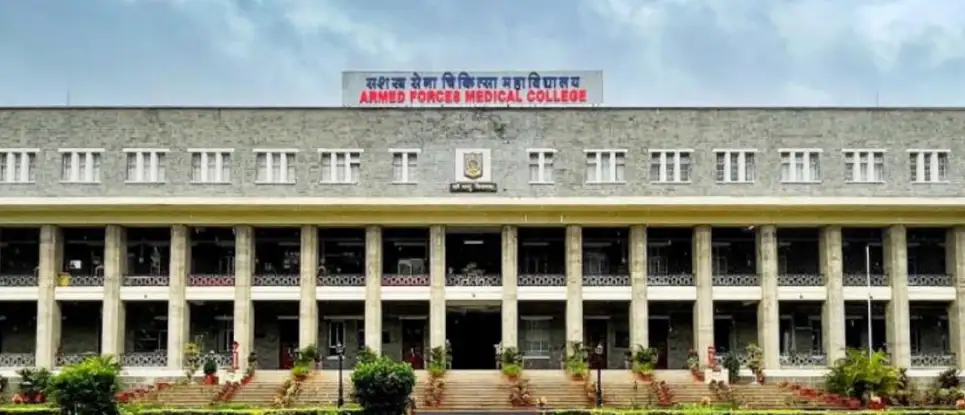
Beyond clinical services, AFMS is investing in research and diagnostics to strengthen preparedness for emerging health threats. AFMC Pune has commissioned a state-level BSL-2 viral research and diagnostic laboratory along with a virus culture facility. These facilities will support faster detection of infectious diseases and contribute to vaccine and therapeutic development under India’s national ‘One Health’ framework.
“By combining artificial intelligence, indigenous technology and global best practices, we aim to position AFMS as a leader in medical research and training, not just nationally but internationally,” Vice Admiral Sarin said, adding that the armed forces’ medical services are fully prepared to meet future challenges.
Officials said the network is being expanded steadily and will play a critical role during medical emergencies, when timely expert guidance can be decisive.
Stay tuned for more such updates on Digital Health News
Follow us