University of Mississippi Medical Center Reopens Clinics After Ransomware Attack
The health system confirmed Monday that clinics can again access patient records after its Epic electronic health record (EHR) system was taken offline during the cyberattack in late February.
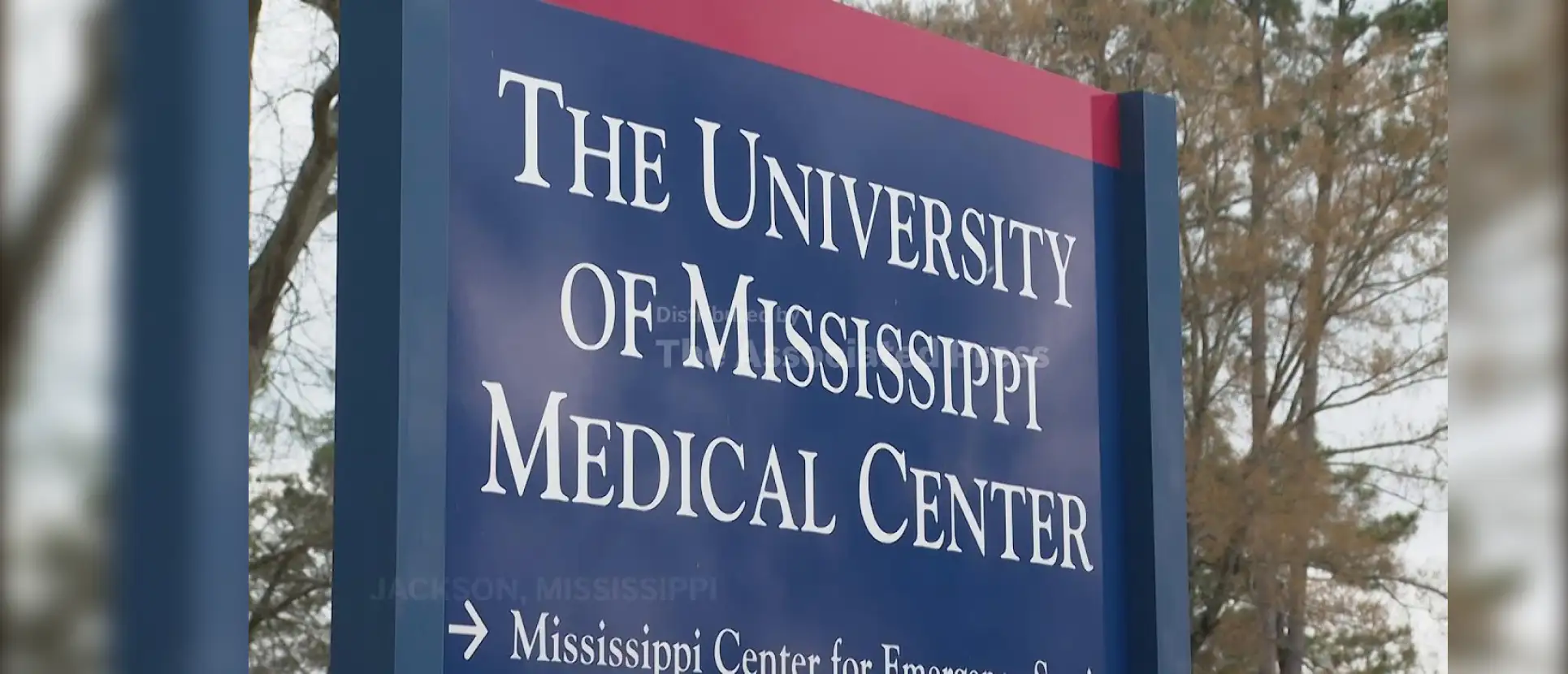
The University of Mississippi Medical Center (UMMC) has reopened its clinics across Mississippi, more than a week after a ransomware attack forced the academic medical center to shut down outpatient services and restrict access to critical systems.
The health system confirmed Monday that clinics can again access patient records after its Epic electronic health record (EHR) system was taken offline during the cyberattack in late February. UMMC said it will resume normal operations and begin contacting patients to reschedule canceled appointments. Clinics will also operate under extended hours to accommodate delayed visits.
UMMC initially closed its clinics statewide last week after the attack disrupted operations. However, its hospitals and emergency departments in Jackson, Grenada, Madison County, and Holmes County remained open throughout the incident.
The cyberattack restricted access not only to the Epic EHR system but also to phone and email systems. UMMC said it worked with a third-party vendor to maintain communication with patients during the outage.
For inpatient care, the health system implemented downtime procedures, including documenting patient care and issuing medical orders on paper. Dr. LouAnn Woodward, UMMC’s vice chancellor for health affairs, said in a statement that the organization had “stopped the bleeding,” but added that the full scope of the intrusion was still under investigation.
UMMC is working with federal authorities, including the FBI, and external cybersecurity experts to assess and respond to the incident. The medical center operates seven hospitals and is Mississippi’s only academic medical center.
Ransomware attacks, which block access to systems until a ransom is paid, continue to pose operational and clinical risks for healthcare organizations. Such incidents can delay procedures, disrupt emergency care, and expose sensitive patient data.
Recovery timelines vary widely. According to a 2024 survey by cybersecurity firm Sophos, only 22% of healthcare organizations fully recovered from a ransomware attack in less than a week, while nearly 40% required more than a month to restore operations.
UMMC has not disclosed whether any patient data was compromised or whether a ransom demand was made.
Stay tuned for more such updates on Digital Health News
Follow us