The Voice Test: India’s Next Frontier in Disease Detection, Your Voice Could Diagnose You Before Your Doctor Does
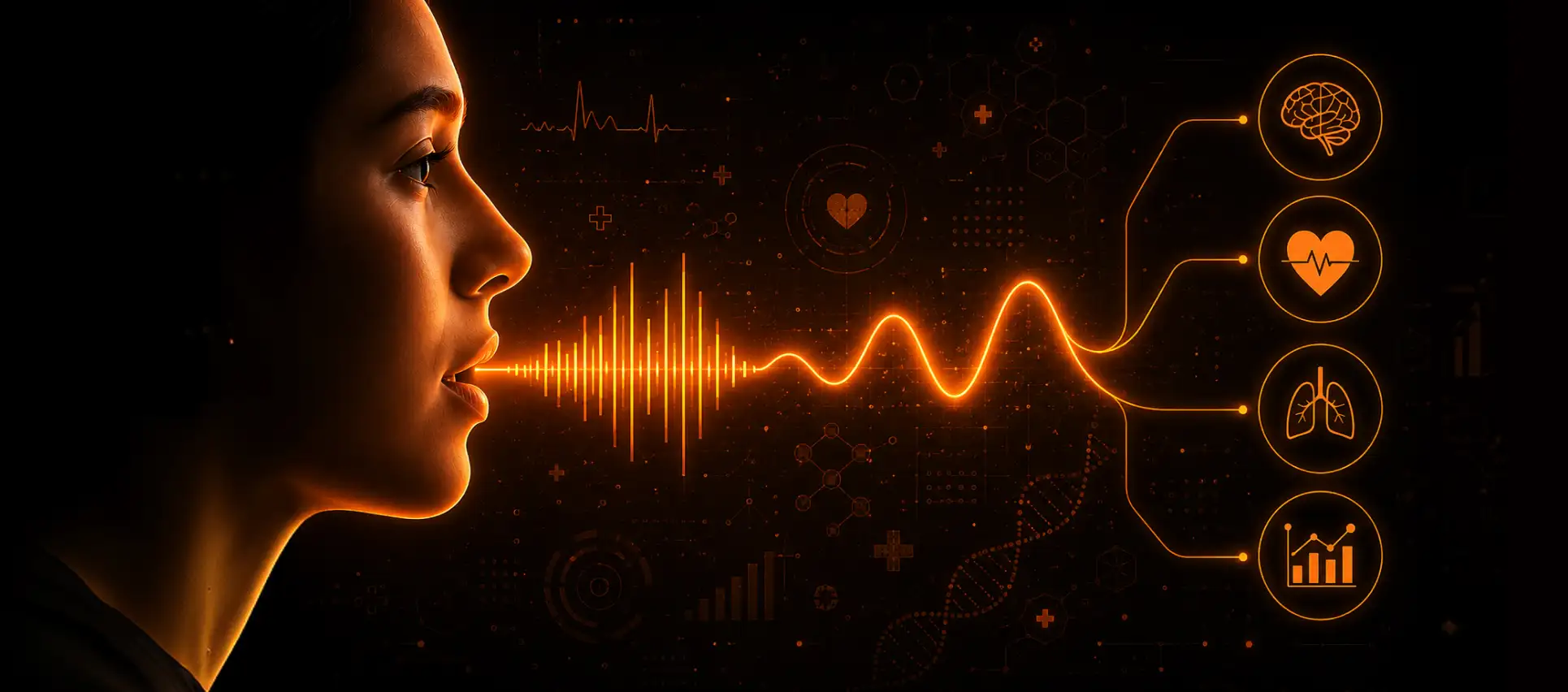
Early diagnosis is one of the most persistent problems facing the healthcare system in India for disorders related to the nervous system, lungs, and psychiatry when specialists are scarce and available only in large urban centres. The magnitude of the problem is evidenced by the findings of a nationally representative survey carried out within India’s Longitudinal Ageing Study, which involved the Ministry of Health and Family Welfare, Indian Council of Medical Research, and international research organizations, according to which 7.4% of Indians who are over 60 years old suffer from dementia, totaling about 8.8 million people, with higher prevalence of the disorder among people living in rural regions compared to those living in urban areas. Speech characteristics that may serve as indicators of some physiological or neurological processes in the body are called voice biomarkers. This article aims to discuss the measures of voice biomarkers, current peer-reviewed evidence on their application, how Indian studies fit into it, and what limitations exist regarding the use of voice biomarkers for clinical purposes.
What a Voice Biomarker Measures
Voice biomarkers are acoustic and/or linguistic properties of spoken language, including pause lengths, speaking speed, pitch range, or articulation clarity, which have been shown to have a measurable relationship with particular diseases. It is important to distinguish this concept from voice recognition technology or transcription of speech, as the analysis is statistical and diagnostic, much like interpreting laboratory results within reference intervals.
Unlock the Future of Digital Health — Free for 14 Days!
Join DHN Plus and access exclusive news, intelligence reports, and deep-dive research trusted by healthtech leaders.
Already a subscriber? Log in
Start with 14-Days Free TrialStay tuned for more such updates on Digital Health News
Follow us