


NVIDIA Expands Healthcare AI With Protein Design & Cancer Treatment Partnerships
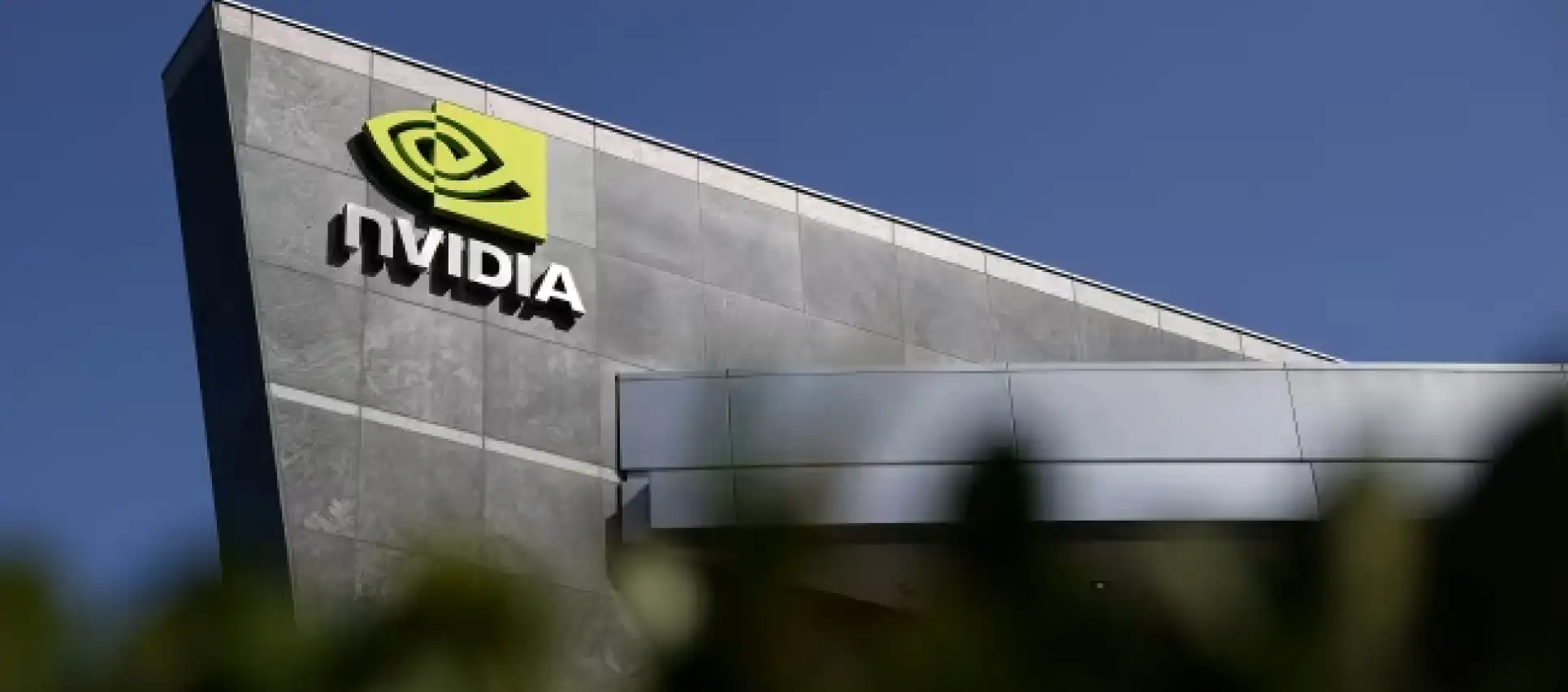
The initiatives include an open protein design model developed with the University of Washington’s Institute for Protein Design and a collaboration with Siemens Healthineers to develop AI-enabled adaptive radiotherapy.
NVIDIA has announced new collaborations with healthcare and research organizations to advance AI-powered protein design, drug discovery and personalized cancer treatment. The initiatives include an open protein design model developed with the University of Washington’s Institute for Protein Design and a collaboration with Siemens Healthineers to develop AI-enabled adaptive radiotherapy.
The protein design model, called RFD4-Proteina, is part of NVIDIA’s BioNeMo platform and combines programmable protein design with search capabilities. It is designed to help scientists generate and refine protein designs using molecular inputs, constraints, and scoring objectives.
According to NVIDIA, potential applications include designing proteins that can interrupt disease processes or detect signs of disease in diagnostic tests. In testing, the model achieved a higher computational design success rate than evaluated baseline models across protein binding, small-molecule binding, enzyme scaffolding and DNA binding.
RFD4-Proteina is available through NVIDIA partners, including Amazon Bio Discovery, Anthropic, Benchling, Databricks, Google Cloud, Hugging Face, Microsoft Azure, Nebius, OpenAI and Tamarind Bio.
NVIDIA & Siemens Healthineers Explore AI-Driven Radiotherapy
NVIDIA has also partnered with Siemens Healthineers to develop adaptive radiotherapy using agentic and robotic intelligence, with the aim of simplifying treatment workflows and expanding access to personalized cancer care.
The collaboration will explore AI-assisted treatment planning, patient-specific simulation and real-time computing. The companies also plan to examine how NVIDIA’s Nemotron open foundation models, CUDA-accelerated radiation dose calculations, and the Holoscan platform can support treatment planning and connect live sensor data with AI and simulation.
“The one that's probably making the most news right now, and frankly, arguably making some of the biggest impact, is what we're seeing in terms of drug discovery in the biopharma market,” NVIDIA’s David Niewolny, head of healthcare and medical, said in an earlier interview with MobiHealthNews.
NVIDIA Expands AI Collaborations Across Life Sciences
The latest announcements build on NVIDIA’s expanding partnerships with pharmaceutical companies. In January 2026, Eli Lilly and NVIDIA announced plans for an AI co-innovation lab in San Francisco, backed by an investment of up to $1 billion over five years in infrastructure, workforce and computing resources.
In March, Roche announced plans to expand its partnership with NVIDIA through a hybrid-cloud AI factory focused on drug discovery, clinical trial efficiency and data insights.
In July, Bristol Myers Squibb and NVIDIA announced plans to build an AI factory for drug discovery using NVIDIA computing infrastructure.
These collaborations focus on applying AI computing capabilities to research, drug development and clinical workflows across the life sciences sector.
Stay tuned for more such updates on Digital Health News
Follow us