Tata Elxsi, UIUC & OSF HealthCare Team Up to Expand Rural Healthcare Access in the U.S.
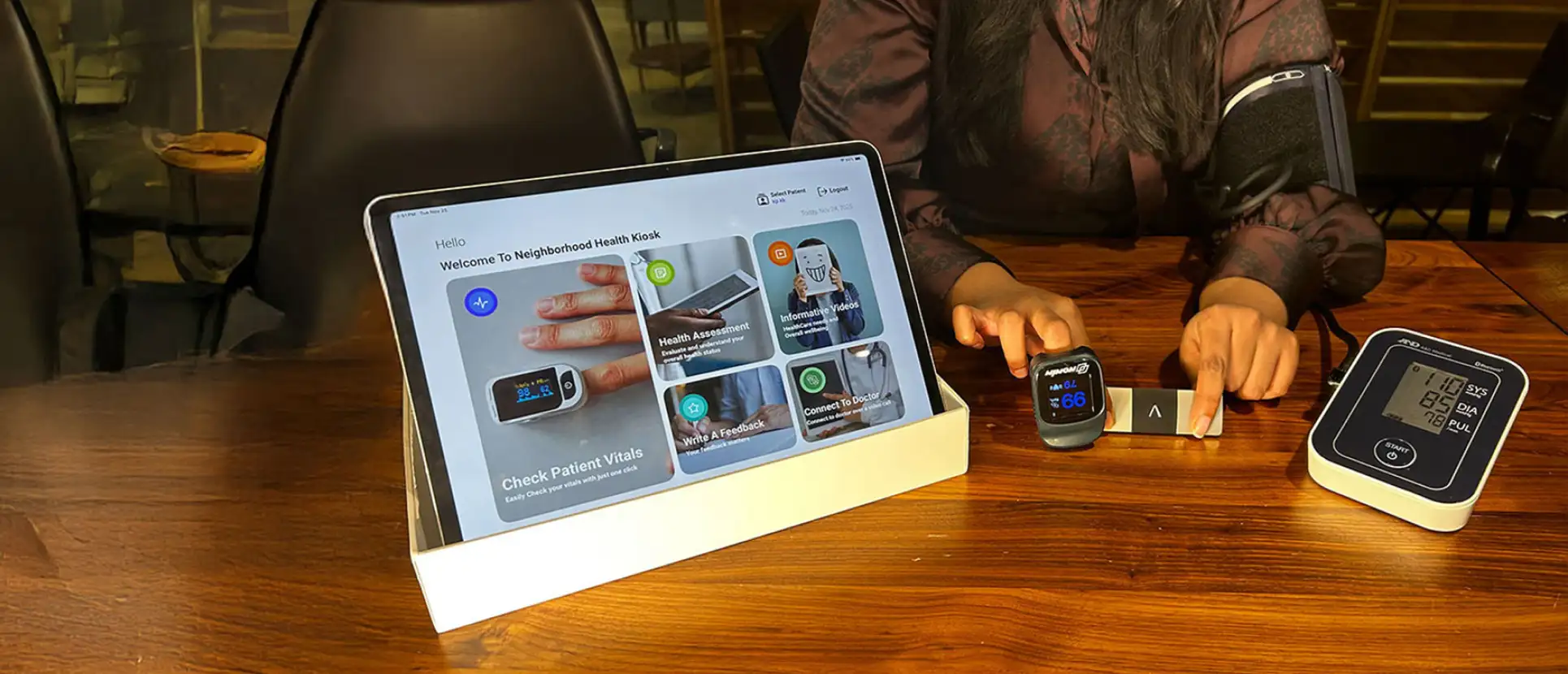
The initiative aims to improve access to primary, preventive, and chronic care services by deploying AI-enabled digital health kiosks in underserved communities.
Tata Elxsi has partnered with the University of Illinois Urbana-Champaign and OSF HealthCare to launch a technology-led rural healthcare model in the United States.
The initiative aims to improve access to primary, preventive, and chronic care services by deploying AI-enabled digital health kiosks in underserved communities.
The collaboration combines academic research from UIUC’s Gies College of Business and Carle Illinois College of Medicine with real-time data from OSF HealthCare. The kiosks, funded by Jump ARCHES, are designed to address long-standing barriers in rural areas, including limited provider availability, long travel distances, poor network connectivity, and low awareness of digital health tools.
A detailed OSF-linked analysis conducted by UIUC found that widening access to primary and preventive services reduces avoidable emergency visits in rural populations. Based on these findings, the initiative targets four priority areas: chronic disease management, behavioral health support, post-acute monitoring to reduce hospital readmissions, and improved access to preventive care and health education.
At the center of the deployment is Tata Elxsi’s TEngage digital health platform, which powers the kiosks through Amazon Web Services cloud infrastructure. The devices integrate IoMT-based vital sign collection, telehealth consultations, Hospital Information System connectivity, and secure data workflows. Discussions are progressing to incorporate IoT-enabled remote monitoring for continuous patient oversight.
The rollout will begin in Illinois and expand to several counties through a phased approach that adapts kiosk features based on community usage patterns. Future capabilities include AI analytics for epidemic tracking, predictive insights, automated workflows, cloud-based device management, and improved telecom infrastructure for stable connectivity.
Leaders from the partner organizations stated that the initiative brings technology closer to rural populations and strengthens last-mile health delivery. OSF HealthCare noted that the kiosk interface will support community health workers conducting screenings and connecting patients to care, even in remote locations.
Telecom providers will support last-mile connectivity for the model, which invites participation from community stakeholders, clinicians, funders, and policymakers as the program scales.
Stay tuned for more such updates on Digital Health News
Follow us