Samsung Study Shows Galaxy Watch6 AI Could Predict Fainting Episodes Minutes Before They Occur
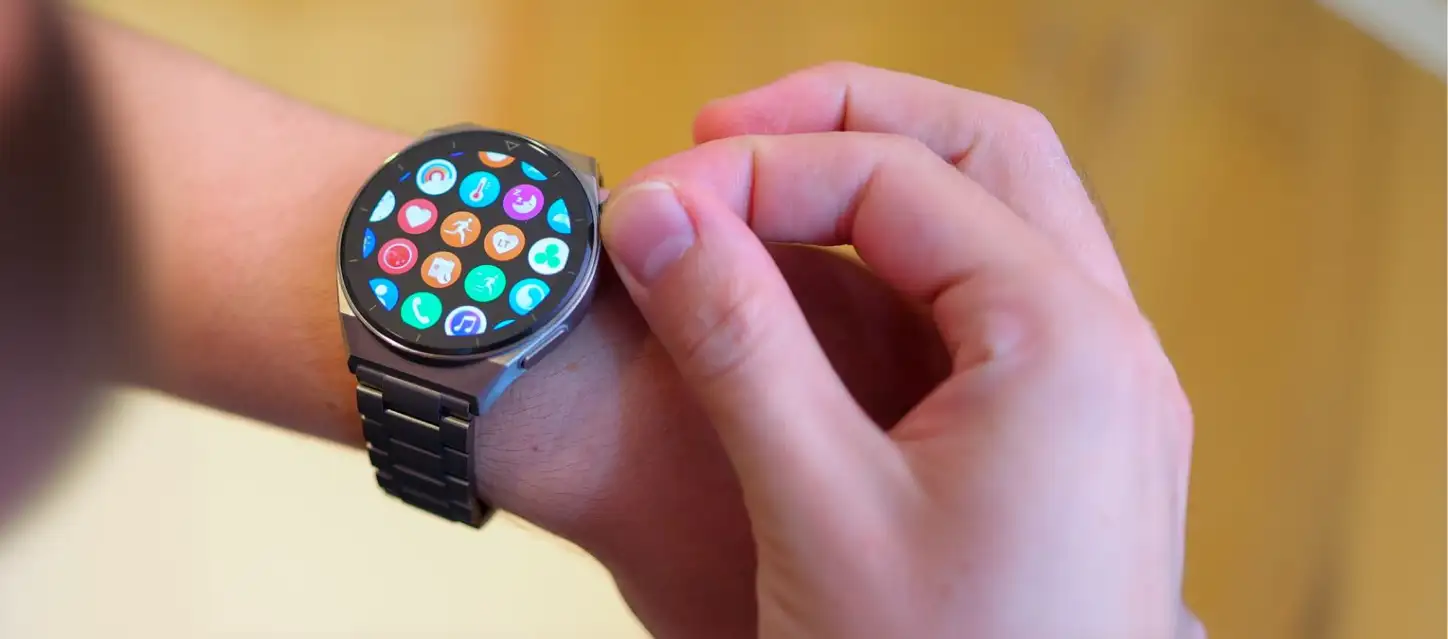
Researchers reported a sensitivity of 90 per cent and a specificity of 64 per cent alongside the overall prediction accuracy of 84.6 per cent.
A clinical study by Samsung and Chung-Ang University researchers has found that the Galaxy Watch6, powered by AI and heart-rate variability analysis, could predict vasovagal syncope episodes several minutes before fainting occurs.
The findings, published in the European Heart Journal - Digital Health, showed the AI model achieved 84.6 per cent accuracy during controlled clinical testing.
Vasovagal syncope, commonly referred to as reflex fainting, occurs when a sudden drop in heart rate and blood pressure reduces blood flow to the brain, leading to temporary loss of consciousness. The condition affects millions of people globally and can increase the risk of injury from falls, particularly among older adults or patients with recurrent episodes.
Researchers evaluated 132 patients undergoing head-up tilt-table testing, a clinical procedure commonly used to reproduce and assess syncope episodes under controlled conditions.
Participants wore Galaxy Watch6 devices during the tests while the smartwatch’s photoplethysmography sensor collected pulse-wave data.
The team then derived heart-rate variability measurements from the signals and processed them through an AI-based prediction algorithm.
The system identified warning signs of an impending fainting episode up to five minutes before onset. Researchers reported a sensitivity of 90 per cent and a specificity of 64 per cent alongside the overall prediction accuracy of 84.6 per cent.
Professor Junhwan Cho said, “An early warning from this technology could give patients advance time to get into a safe position or call for help.”
At the same time, experts have noted that photoplethysmography-based monitoring can face challenges outside controlled clinical settings because signal quality may be affected by movement, environmental conditions and differences between users.
While tilt-table studies provide cleaner physiological data, researchers generally view large-scale real-world validation as necessary before predictive systems can be integrated into routine clinical care or receive regulatory clearance for medical claims.
The study nevertheless highlights how Samsung and healthcare researchers are increasingly examining whether widely used consumer wearables can identify early physiological changes linked to serious medical events.
Samsung Galaxy Watch devices already include features such as ECG monitoring and blood oxygen measurement in select markets, reflecting the wider industry shift toward clinically evaluated wearable technologies.
Stay tuned for more such updates on Digital Health News
Follow us