NIH Backs AI4AD2 with $12.6 Mn, Advancing AI-driven Alzheimer’s Research
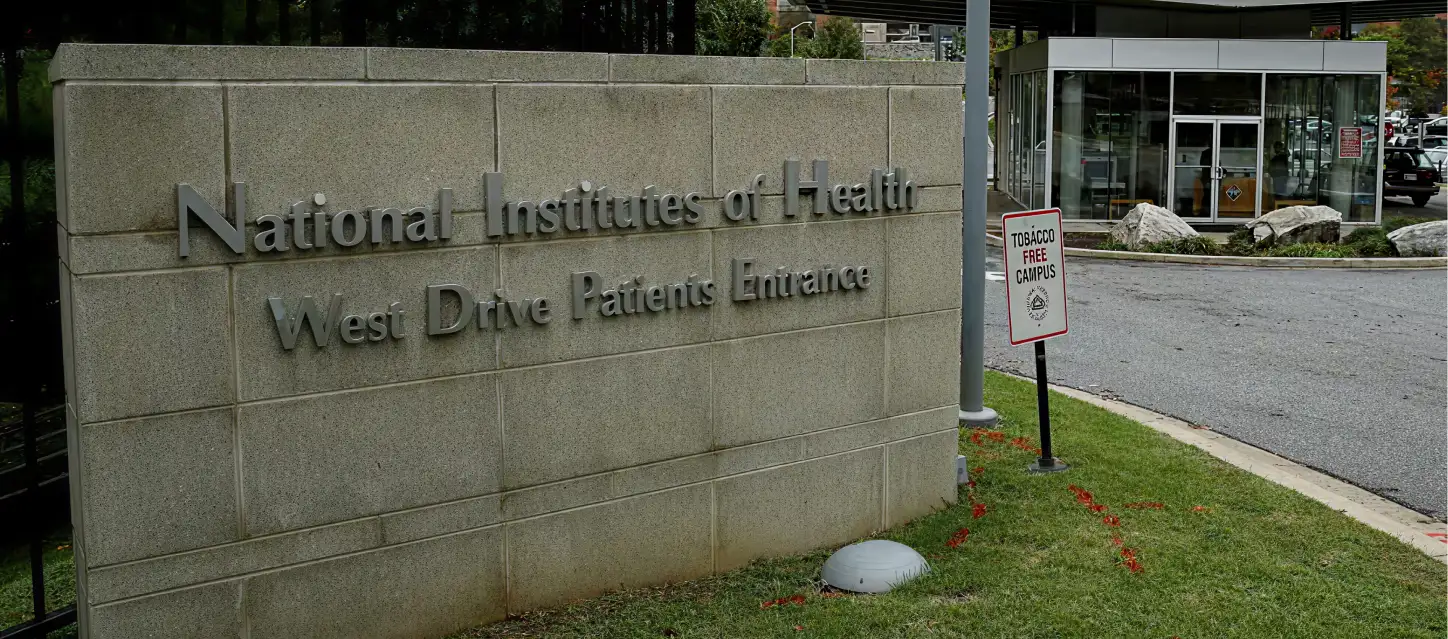
The AI4AD2 consortium brings together researchers across multiple institutions to analyze diverse datasets, including whole-genome sequencing, neuroimaging, and cognitive assessments.
The National Institutes of Health has allocated USD 12.6 Mn to advance AI4AD into its next phase, AI4AD2, bringing total funding to USD 30.7 Mn. The program focuses on using AI to understand Alzheimer’s disease better and accelerate precision treatment development.
AI4AD was first launched in 2020 to explore how machine learning could detect Alzheimer-related changes in brain imaging and link them with genetic risk factors. The initiative demonstrated that AI could identify disease patterns in brain scans with over 90% accuracy, highlighting the growing role of data-driven methods in neuroscience.
The AI4AD2 consortium brings together researchers across multiple institutions to analyze diverse datasets, including whole-genome sequencing, neuroimaging, and cognitive assessments.
One of its primary goals is to move beyond broad diagnostic categories and instead identify biologically meaningful subtypes of Alzheimer’s and related dementias. This refined classification is expected to improve clinical trial design and enable therapies that are better matched to individual patient profiles.
A major component of the project is the development of “genomic language models,” which apply AI techniques similar to those used in language processing to genetic data. These models will analyze DNA sequences from over 58,000 individuals to uncover complex genetic patterns associated with disease risk and progression.
By linking these findings with observable brain and behavioral changes, researchers aim to identify new biological pathways driving neurodegeneration.
“Artificial intelligence is only as powerful as the data and scientific questions behind it,” said Arthur W. Toga, PhD, director of the USC Mark and Mary Stevens Neuroimaging and Informatics Institute. “This renewal allows our team and collaborators to work at a scale that was previously out of reach, integrating imaging, genomics, and other biomarkers to better capture the complexity of Alzheimer's disease. It represents an important step toward more precise, inclusive, and actionable brain health research.”
Another focus area is ensuring that AI models perform reliably across diverse populations. Since many existing datasets are skewed toward individuals of European ancestry, AI4AD2 will incorporate data from African, Indian, Korean, and U.S. cohorts to improve the accuracy and inclusivity of its predictive tools.
The project also advances genome-guided drug discovery using AI systems such as PreSiBO, which can identify subtype-specific treatment targets and evaluate opportunities to repurpose existing drugs.
By mapping molecular pathways to therapeutic options, the initiative aims to accelerate the development of personalized treatments for Alzheimer’s.
With its emphasis on open collaboration, AI4AD2 plans to share tools and findings widely, enabling global researchers to build on its progress.
Stay tuned for more such updates on Digital Health News
Follow us