Mount Sinai Researchers Develop AI Model to Predict Nutrition Risks in ICU Patients
The AI tool, named NutriSightT, analyzes routine data collected in the intensive care unit (ICU), including vital signs, lab results, medications, and feeding information.
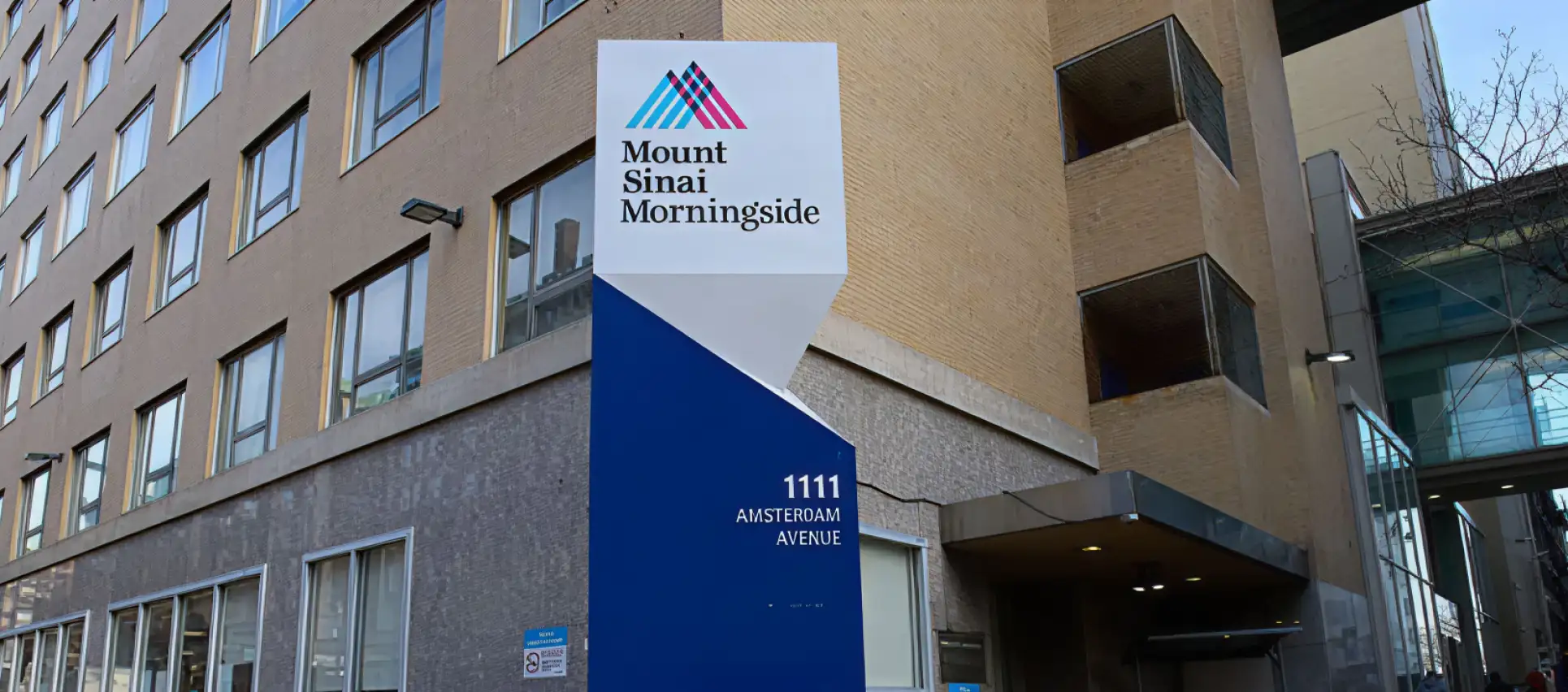
Researchers at the Icahn School of Medicine at Mount Sinai have developed an artificial intelligence (AI) tool aimed at helping identify critically ill patients on mechanical ventilators who are at risk of underfeeding.
The AI tool, named NutriSightT, analyzes routine data collected in the intensive care unit (ICU), including vital signs, lab results, medications, and feeding information.
The tool is designed to forecast, several hours in advance, which ventilated patients may receive insufficient nutrition between days three and seven of their ICU stay.
Further, the model is equipped with an updating system that updates its predictions every four hours, depending on the changes in patient conditions.
In addition, the model is designed to be dynamic and interpretable, showing which routine factors, sodium levels, or sedation influence underfeeding risk.
Researchers also noted that the AI tool is intended to support clinical decision-making rather than replace clinician judgment. By enabling care teams to identify nutrition risks earlier, the technology may help facilitate timely adjustments to nutrition strategies, with the potential to improve recovery and treatment outcomes for critically ill patients.
Recently, the New York-based healthcare system also announced the deployment of AI-assisted software in fetal ultrasound examinations to help improve early detection of congenital heart defects.
Stay tuned for more such updates on Digital Health News
Follow us