




Role of AI in Healthcare: From Diagnosis to Hospital Automation

AI is reshaping modern healthcare by improving diagnosis accuracy, automating hospital operations, enhancing treatment planning, and boosting patient outcomes. From medical imaging to real-time monitoring, AI is creating faster, smarter, and more efficient healthcare systems worldwide.
The role of AI in healthcare is changing how hospitals operate, diagnose diseases, and manage patient care. With rising patient demands and limited staff, AI helps hospitals work smarter by improving accuracy, speed, and overall efficiency. From medical imaging to full hospital automation, AI is becoming an essential part of modern healthcare.
AI in Medical Imaging & Diagnosis
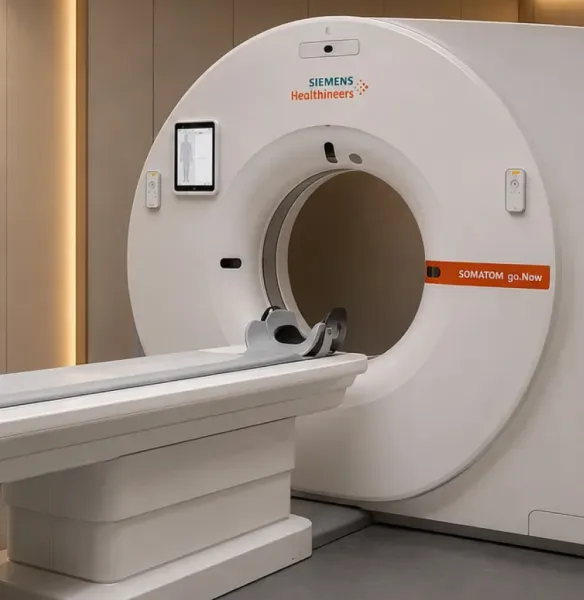
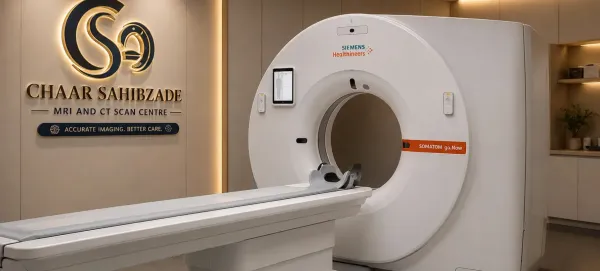
AI in medical imaging is one of the most powerful advancements in healthcare. It helps doctors analyze medical scans quickly and with high precision. AI systems can highlight issues that might be missed during manual review, allowing hospitals to detect diseases earlier and improve treatment outcomes. This technology reduces delays, speeds up diagnosis, and supports radiologists with valuable insights.
How AI helps:
- Detects tumors, fractures, infections, and strokes early
- Analyzes X-rays, MRIs, and CT scans within seconds
- Reduces diagnostic errors
- Helps radiologists prioritize critical cases
Predictive Analytics for Early Risk Detection
Predictive analytics allows hospitals to identify potential health risks before they become emergencies. AI studies patient vitals, medical history, and real-time data to detect early warning signs of serious conditions. This proactive approach helps doctors take immediate action and prevent avoidable complications.
AI can predict:
- Cardiac arrest
- Sepsis
- ICU patient deterioration
- Readmission risks
AI Chatbots & Virtual Assistants
AI chatbots have become essential for improving patient communication. These virtual assistants help patients access information faster, without waiting for hospital staff. This not only enhances patient experience but also reduces the burden on medical teams.
Chatbots support:
- Scheduling appointments
- Sending medication reminders
- Providing symptom checks
- Offering pre- and post-surgery guidance
AI in Electronic Health Records (EHR)
AI is making Electronic Health Records more efficient and easier to manage. Doctors spend less time typing and more time treating patients. AI automatically organizes patient information, reduces errors, and keeps records clean and updated.
AI improves EHR by:
- Transcribing doctor–patient conversations
- Summarizing patient history
- Classifying medical reports
- Reducing manual data-entry errors
Personalized Treatment Planning
AI is helping doctors move from standard treatments to fully personalized care. It analyzes each patient’s unique data to recommend the most effective treatment approach. This leads to better patient recovery and improved clinical outcomes.
AI personalizes care by analyzing:
- Genetics
- Lifestyle and daily patterns
- Medical history
- Lab results and medication response
AI-Assisted Robotic Surgeries
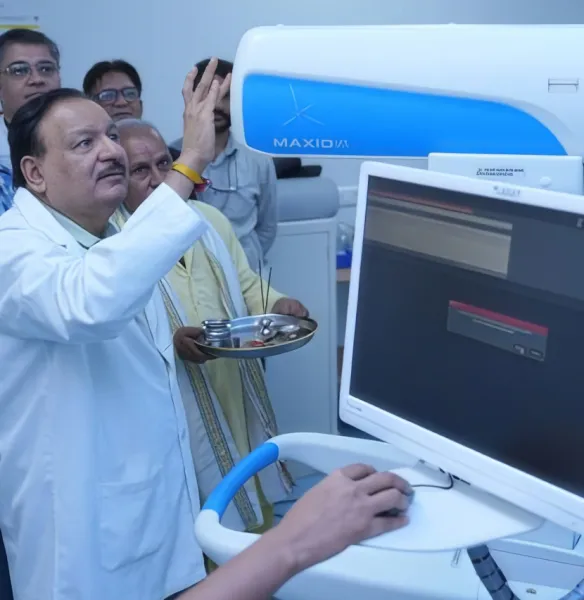
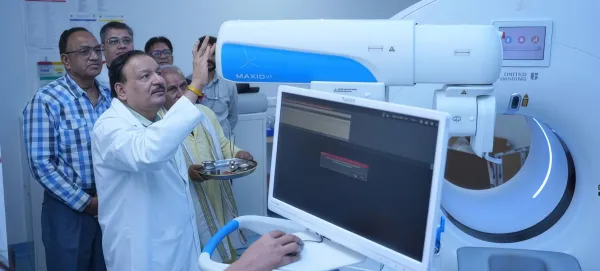
AI-powered robotic systems support surgeons during complex operations. These systems bring precision, stability, and control to procedures that require high accuracy. Patients benefit from safer surgeries and quicker healing.
Benefits of robotic surgeries:
- Higher surgical accuracy
- Smaller incisions
- Less blood loss
- Faster recovery
AI for Hospital Workflow and Automation
AI is also transforming how hospitals operate behind the scenes. It automates tasks that usually take hours and helps hospitals run more smoothly. This results in improved efficiency and reduced operational costs.
AI automates:
- Bed and patient flow management
- Billing and insurance processing
- Inventory and supply tracking
- Staff scheduling and shift planning
AI in Drug Discovery and Medical Research
AI accelerates medical research by analyzing massive datasets faster than humans. It helps researchers identify new treatments, predict how drugs will behave, and speed up clinical trial processes. This shortens the time it takes for new medicines to reach patients.
AI supports research by:
- Finding drug candidates
- Predicting drug reactions
- Analyzing clinical trial data
- Understanding disease patterns
Conclusion
The role of AI in healthcare now spans from accurate diagnosis to complete hospital automation. AI is helping doctors make better decisions, improving patient experiences, and making hospital operations more efficient. As technology continues to advance, AI will play an even greater role in shaping the future of healthcare.
Stay tuned for more such updates on Digital Health News
Follow us