Metropolis Healthcare to Expand Presence to 1,000 Towns in 3 Years

Currently, Metropolis operates with a ratio of 24 collection centres per laboratory and intends to scale this to 35 centres per lab over the next two to three years.
Leading diagnostic chain Metropolis Healthcare on Wednesday said it aims to expand its geographical footprint to 1,000 towns across India in the next three years, up from 750, while adding about 2,500 collection centres to its network.
As part of its “acceleration” phase, the company plans to improve infrastructure efficiency by increasing its centre-to-lab ratio. Currently, Metropolis operates with a ratio of 24 collection centres per laboratory and intends to scale this to 35 centres per lab over the next two to three years.
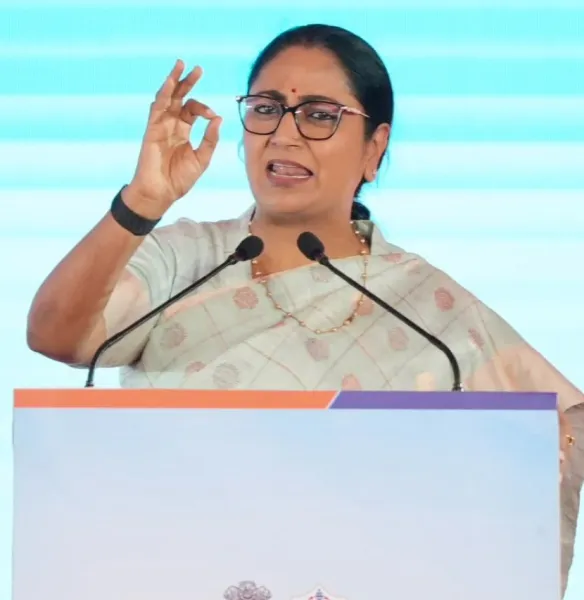
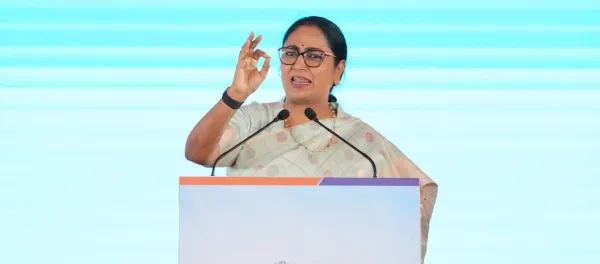
In an interaction with PTI, Ameera Shah, Executive Chairperson, Metropolis Healthcare, said the Indian diagnostic industry is valued at around USD 11 billion and is growing at 11 per cent. In comparison, 85 per cent of the sector remains unorganised.
“Metropolis decided about 25 years ago to build a chain of standardised centres. Today, we have 209 labs and over 5,000 centres across India and five African countries. We ended FY26 with revenues of Rs 1,646 crore,” Shah said.
The company plans to add about 2,500 more collection centres to its network. Of its 5,000 current centres, 750 are company-owned and located in top-tier cities such as Mumbai, Pune, Chennai and Bengaluru. Metropolis aims to increase the number of these “owned” centres to 1,000.
During the FY24-26 period, its patient volume grew 12 per cent, and test volume rose 13 per cent. Shah said the company is well-positioned to lead the shift from the unorganised to the organised sector, which currently accounts for only 15 per cent of the market but is expected to grow significantly by 2034.
Managing Director Surendran Chemmakotil said that during the next three years, the company will focus on technology, science-led branding and profitable growth.
“Metropolis will completely transform into a technology company in the next three years. We are already deploying AI in non-science processes to improve productivity, workflows, and turnaround times,” Surendran said.
The company is also looking to diversify its service offerings.
“We want to convert some of our centres into ‘mini-hubs’ where we will provide basic radiology services alongside pathology. We plan to establish about 100 such hubs in the next three years,” Surendran added.
The company targets to increase its EBITDA margin from the current 24.5 per cent to 28 per cent in the next three years through operating leverage, better asset utilisation and vendor consolidation.
Metropolis reported a 17.6 per cent CAGR in revenue over the last three years and is targeting organic revenue growth of 14-15 per cent annually, excluding any potential acquisitions.
“By improving the centre-to-lab ratio and increasing specialised testing through our ‘TruHealth’ bundles, we will see better realisation per customer. Additionally, as we automate processes, we won’t need to add manpower in proportion to volume growth, which will drive sustainable margin improvement,” the MD noted.
Metropolis is also placing a strong focus on high-end specialised testing, particularly genomics. The company has established a centre of excellence for genomics in Gurugram and another centre in Mumbai, utilising advanced Illumina NovaSeq technology.
“Genomics is getting a lot of traction. We are reaching out to specialised clinicians to adopt genomics as a primary diagnostic tool for cancer, neurological disorders, and prenatal testing,” Surendran said.
Regarding inorganic growth, the company said it remains on the hunt for acquisitions. Metropolis has integrated 25 acquisitions to date. Its future M&A strategy will focus on three areas: filling geographic gaps, acquiring distressed assets that can be turned around through Metropolis’ operational expertise, and acquiring specialised skillsets from healthcare startups.
On price sensitivity in the Indian market, Shah emphasised that precision remains the most critical factor in diagnostics.
“In our industry, errors happen often. Precision is vital for doctors, especially for critical illnesses like cancer. While India has the most competitive and cost-effective diagnostic industry in the world, where you can get 60-70 tests for USD 10-15, our customers in the private sector are primarily looking for better quality and service,” Shah said.
Stay tuned for more such updates on Digital Health News
Follow us