Industry Flags Patient Safety, Innovation Risks in Refurbished Medical Device Imports
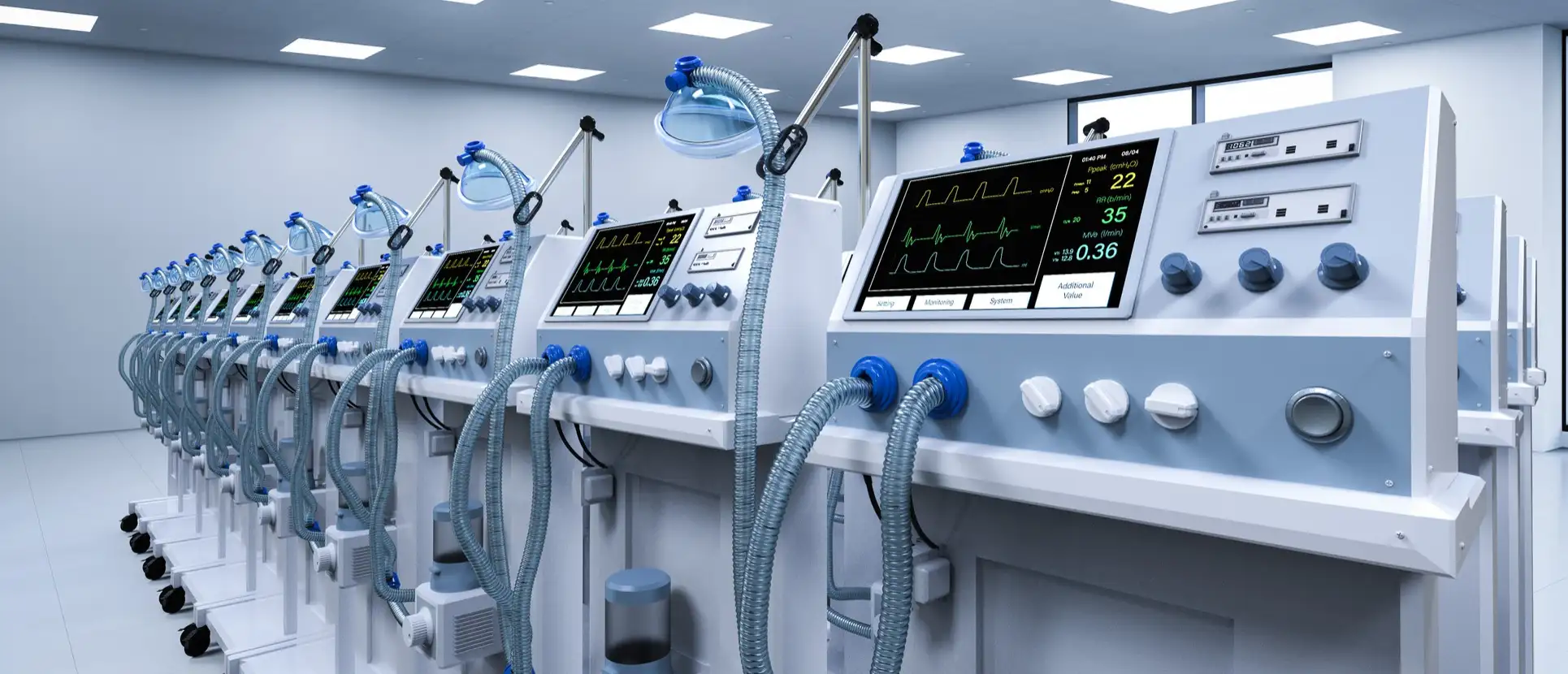
They claim that imports of refurbished devices compete with far cheaper used global systems against locally invested manufacturers, suppressing domestic demand and stifling innovation and scale-up.
The medical device industry and patient-safety advocates in India have strongly protested the permission to import refurbished devices, cautioning that it contradicts current rules and may compromise patient safety, and distort competition.
They argue that these approvals go directly against the Central Drugs Standard Control Organisation (CDSCO), which has made it clear that refurbished devices are not allowed as per the current Medical Devices Rules.
Industry representatives say parallel permissions from other authorities erode CDSCO's authority and dent the credibility of India's medical-device regulatory framework.
The problem essentially goes back to the previous stances that the government took to prevent India from becoming a dumping site for electronic waste and obsolete technology.
The particular apprehension of manufacturers is concerning high-value equipment such as MRI machines, CT scanners, and robotic systems. They claim that imports of refurbished devices compete with far cheaper used global systems against locally invested manufacturers, suppressing domestic demand and stifling innovation and scale-up.
“The Expert Committee decision at MoEFCC to allow a handful of traders to import pre-owned medical equipment is highly disturbing and contrary to the earlier national policy decisions- be it preventing India from turning into a dumping ground for e-waste or promoting green-field manufacturing through the National Medical Devices Policy, with the purpose to reduce our increasing import bill and dependence,” said Rajiv Nath, forum coordinator at AiMeD.
RS Kanwar, Director Overseas Operations at Allengers Medical Systems, mentioned, “Importing refurbished medical equipment poses a threat to patient care quality and safety. These machines often employ obsolete technology, resulting in unpredictable performance, and spare-part support for them is unreliable, causing more breakdowns and compromising diagnostic accuracy.”
He further said, “Many of the refurbished systems do not meet the latest global safety standards, while their shorter lifespan and hidden defects bring with them unnecessary risks in critical procedures. While India is rapidly scaling up its healthcare capabilities, the country certainly does not need to compromise on the technology benchmark through the use of obsolete imports.”
Viswanathan Santhanagopalan, Managing Director of Sequoia Healthcare, said, "Government tenders often disadvantage Indian HEHV device makers by requiring needless advanced features and foreign certifications (CE, FDA) rather than Indian standards such as BIS. This goes against the Atmanirbhar Bharat agenda. Equal import duties on new and used medical equipment allow refurbished global systems to compete directly with high-value Indian devices.”
Industry bodies ask the Ministry of Environment, Forest and Climate Change to withdraw these approvals and ensure that all such decisions are within the framework laid down by the CDSCO.
They warned that continued imports of refurbished devices could put patients in danger and also hinder the growth of the medical device ecosystem in India.
Stay tuned for more such updates on Digital Health News
Follow us