DST & BIRAC Push Innovation-led Partnerships to Scale Mobile Health & Telemedicine
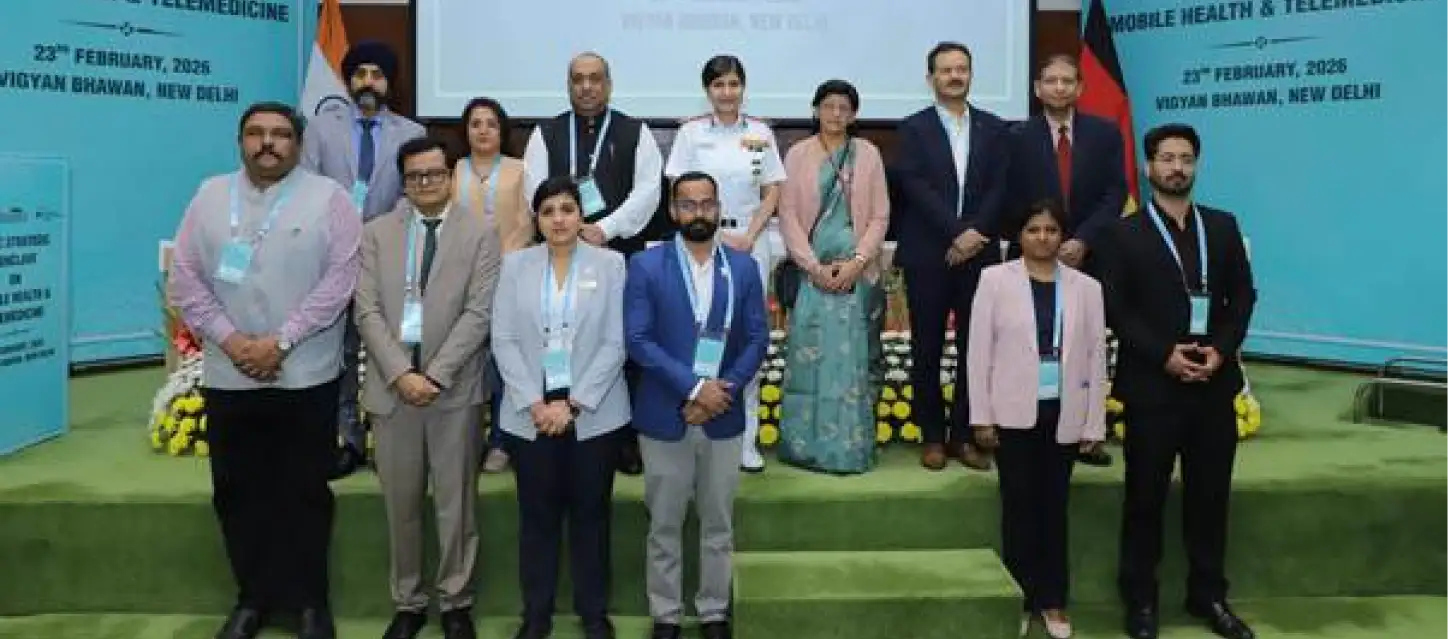
Industry representatives called for focused translational research and incentive-based frameworks to bridge the gap between innovation and deployment.
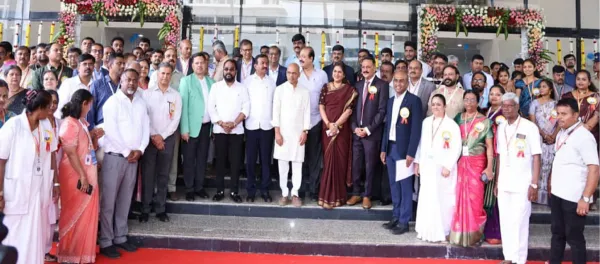
The Department of Science and Technology (DST) and BIRAC have reinforced the importance of innovation-led partnerships to accelerate Mobile Health & Telemedicine solutions at a recent event, positioning digital health as central to India’s future healthcare delivery framework.
A major highlight came from Surg VAdm Dr Arti Sarin, DGAFMS, who described telehealth as a mission-critical capability for the Armed Forces Medical Services.
“Telehealth has emerged as a critical vertical within the armed forces’ healthcare ecosystem, which serves approximately 1.6 crore personnel, veterans and their families.” She traced the journey from early teleconsultations to satellite-enabled platforms supporting maritime operations and high-altitude deployments.
She stressed the importance of encrypted communication, AI-enabled diagnostics, wearable monitoring systems and regulatory clarity to ensure ethical and operational resilience.
Dr Jitendra Kumar, Managing Director of BIRAC, highlighted how biotechnology-driven innovation is shaping the next phase of digital health. He emphasised structured funding, mentorship and regulatory facilitation for startups working across diagnostics, medical devices and digital platforms.
According to him, Innovation-Led Partnerships, including Indo-German collaboration, can prevent talent migration while aligning Indian solutions with global standards.
Dr Sunita Sharma, Director General of Health Services, noted that telemedicine services have expanded to the Ayushman Mandir level under the National Digital Health Mission. She pointed to the growing use of artificial intelligence, machine learning and point-of-care diagnostics, particularly in national programmes such as tuberculosis elimination.
She also underscored the need for robust data privacy frameworks, ethical oversight and sustained public financing.
Industry representatives called for focused translational research and incentive-based frameworks to bridge the gap between innovation and deployment.
Dr Arindam Bhattacharyya of DST reiterated that Mobile Health & Telemedicine must evolve beyond pilots to integrated platforms that address systemic healthcare gaps, especially in underserved regions.
Deliberations covered AI-enabled diagnostics, remote patient monitoring, wearable devices and chip-based laboratory services, alongside discussions on regulatory harmonisation and digital inclusion.
Stay tuned for more such updates on Digital Health News
Follow us