India's NACO to Deploy AI Model to Warn 1 Lakh High-Risk People by 2026
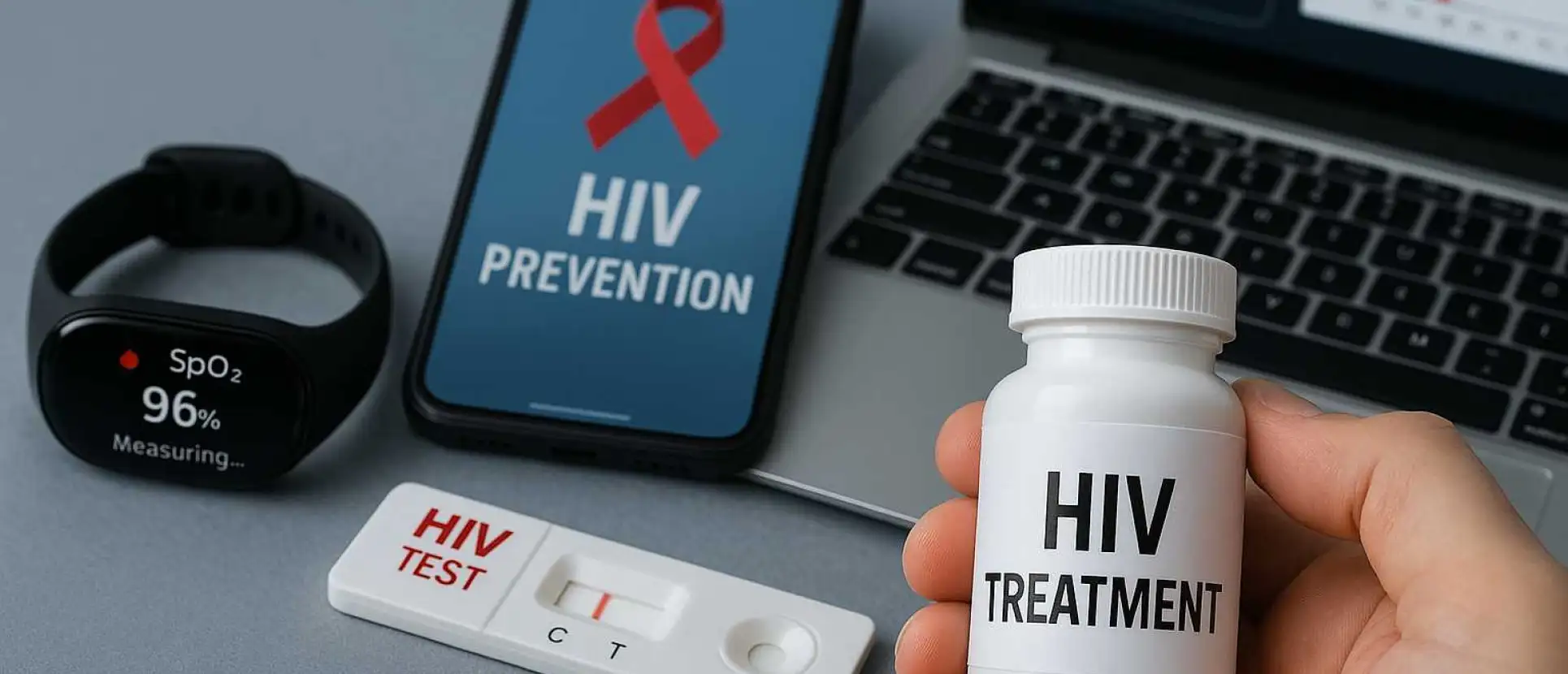
Aiming to send alerts to 1 lakh high-risk individuals by 2026, the country is on track toward earlier detection, reduced transmission, and a more proactive public health approach powered by AI tools and AI chatbots.
India's NACO is getting ready to roll out an AI model to warn 1 lakh high-risk people by 2026, as AI tools across the world report very strong results on the prediction of HIV infections before diagnosis.
The National AIDS Control Organization (NACO) has proposed that AI will analyze behavioral, clinical, and digital signals to warn high-risk individuals well in advance of an HIV diagnosis for early testing and timely counseling with access to preventive treatment.
This initiative falls in line with global findings from the CDC and WHO, stating that AI tools could avoid around 30% of the infections and have the potential to halt up to 5 million new cases every year by way of early warnings.
The Indian government set up the National AIDS Control Organisation in 1992 to implement the country’s first National AIDS Control Programme. Since then, NACO has taken the lead in India’s fight against HIV/AIDS, shaping policies, creating strategies, and driving programs that have played a crucial role in managing and reducing the impact of the epidemic across the country.
The AI model rollout comes at a time when India is already showing remarkable achievements in containing HIV. The national prevalence has declined from 0.33% in 2010 to 0.20% in 2024, far below the average global prevalence of 0.7%.
New infections have declined sharply from 1.25 lakh in 2010 to 64,500 in 2024, a reduction of 49%, above the global decline rate of 40%.
India now accounts for only about 5% of the world's new HIV infections, attributed to efficient government-led resource allocation and increased access to antiretroviral therapy.
India has also recorded a dramatic fall in deaths due to AIDS, from 1.73 lakh deaths in 2010 to 32,200 in 2024 - an 81.40% reduction.
Moreover, NACO's effort follows an array of promising results from other countries. For instance, in Ukraine, the Alliance for Public Health deployed an AI model that improved case detection by 37%, while illustrating how predictive analytics can help find individuals who are often missed by traditional surveillance systems.
Similar studies in Georgia point out how such models identify high-risk groups amongst STI patients to fast-track testing and prevention.
India now seeks to replicate and then scale this success, aiming to reach 1 lakh individuals by the end of 2026-one of the largest AI-driven HIV prevention efforts in the world.
Global findings indicate the role of AI tools and AI chatbots, making a difference in the HIV response.
With the AI system of NACO going live, India gears up to be at the frontline in digital HIV prevention.
Aiming to send alerts to 1 lakh high-risk individuals by 2026, the country is on track toward earlier detection, reduced transmission, and a more proactive public health approach powered by AI tools and AI chatbots.
Stay tuned for more such updates on Digital Health News
Follow us